




Importance of Dental Health in Underserved Communities
Dental therapy in rural areas must address disparities in oral health care access.
Rural populations often struggle to access dental services.
Consequently, many residents experience untreated dental problems.
Without proper care, individuals may develop more serious health conditions.
Therefore, rural dental therapy can prevent oral diseases and improve health outcomes.
Regular check-ups and treatments can improve life quality in underserved communities.
Additionally, promoting oral hygiene can reduce dental problems in these areas.
Availability of Dental Services in Rural Communities
Rural communities often have few dental providers, limiting residents’ choices.
Additionally, some communities lack dental clinics, so residents travel long distances for treatment.
Limited public transportation can make those journeys even harder.
- Provider shortages can restrict access to quality dental care.
- Residents may travel far when local practices cannot provide treatment.
- Transportation difficulties can prevent residents from reaching available dental facilities.
Barriers to Timely Dental Treatment
Financial barriers prevent many residents from paying for necessary dental services.
For example, limited income or a lack of insurance can delay treatment.
Meanwhile, provider shortages often create long waits for available appointments.
- Residents may postpone care because treatment costs exceed their available resources.
- Patients can wait extended periods before providers offer appointments.
- Some residents endure dental pain or oral health problems while awaiting treatment.
Strategies for Better Rural Dental Care
Communities can expand access by increasing the availability of dental services.
Mobile dental clinics can bring treatment closer to residents who face transportation challenges.
Telehealth options can also connect residents with dental professionals when appropriate.
These strategies can support access to quality oral health care across rural communities.
Improved access can strengthen individual health and contribute to healthier rural communities.
Prioritizing dental therapy helps residents receive care that supports good oral health.
Health Consequences of Untreated Dental Problems
Untreated dental problems can affect physical well-being beyond the mouth.
These effects can become more serious when people delay needed treatment.
The resulting complications can affect everyday life and personal well-being.
- Dental infections can spread to other parts of the body.
- Gum disease has links to heart disease and stroke.
- Poor oral health can also make diabetes harder to control.
- Untreated cavities can cause severe decay and tooth loss.
Social and Economic Effects of Dental Problems
Untreated dental problems can also create social and economic challenges.
Pain and oral discomfort can interfere with normal daily activities.
Limited treatment options can increase the burden on individuals and communities.
- Chronic pain and difficulty eating can contribute to malnutrition.
- Poor dental health can affect speech, self-esteem, and social interactions.
- Dental problems can also affect mental health.
- People may seek costly emergency room visits for pain relief.
- Missing work can reduce productivity and income for rural residents.
Addressing dental health in rural communities supports overall health and well-being.
It can also help prevent serious complications linked to untreated problems.
These efforts may reduce the social and economic burden of poor dental health.
Explore Further: Success Stories in Medical Rehabilitation Nigeria
Role of Dental Therapists in Rural Areas
Dental therapists provide important oral health services in rural areas.
They support patients through routine care, prevention, education, and treatment.
Furthermore, they help rural residents receive dental services closer to home.
Responsibilities and Duties of Dental Therapists
Dental therapists perform routine examinations and cleanings for patients.
They also administer fluoride treatments and identify common dental conditions.
Additionally, they assist dentists and provide preventive oral health education.
- Perform routine dental examinations and cleanings.
- Administer fluoride treatments.
- Assist dentists during various dental procedures.
- Provide preventive oral health education to patients.
- Identify and treat common dental conditions.
Through these duties, dental therapists support consistent and practical oral healthcare.
They can also strengthen cooperation between patients, therapists, and dentists.
As a result, rural clinics can address routine needs while coordinating broader care.
Bridging the Gap in Rural Dental Care
Dental therapists increase access by providing services in areas with fewer dentists.
Moreover, their services can help rural clinics offer more affordable dental care.
Transform Your Career with Expert Guidance
Get personalized mentorship consulting that’s tailored to your unique path. Our expert advice is actionable and exclusive.
Get StartedThey emphasize prevention and community education, which supports stronger oral health habits.
- Provide dental services in remote areas with dentist shortages.
- Help rural clinics offer affordable services to residents.
- Focus on preventive care to reduce future dental problems.
- Lead educational outreach that promotes oral health awareness.
- Collaborate with dentists to support comprehensive patient care.
Through collaboration, dental therapists help clinics respond to patients’ varied dental needs.
Therefore, their work strengthens preventive services and community-based oral health support.
Dental therapists remain valuable members of rural healthcare teams.
You Might Also Like: Alumni Success Stories from Nigerian Medical Schools
Community Outreach Programs
Community outreach programs promote dental health in rural areas.
They raise awareness about oral hygiene and regular dental check-ups.
Additionally, these programs teach preventive measures that help people avoid dental problems.
By reaching remote areas, outreach programs expand access to dental care.
Mobile dental clinics provide basic services in underserved areas.
Meanwhile, dental professionals volunteer their time and expertise to treat patients in need.
NGOs and government organizations collaborate to organize free dental camps in rural communities.
These camps provide screenings, cleanings, and treatments at no cost to residents.
Furthermore, dental health workshops teach proper brushing techniques and healthy diet practices.
These initiatives have improved oral health outcomes among rural populations.
Regular dental visits have increased, supporting earlier detection and treatment of dental problems.
As a result, community members take more proactive steps to protect their oral health.
Outreach programs have also reduced the stigma surrounding dental care in rural areas.
Children and adults now understand the importance of maintaining good oral hygiene.
These programs continue bridging gaps in dental care access across rural regions.
Delve into the Subject: Managing High-Risk Pregnancies in Nigeria
Preventive Dental Care in Rural Communities
Preventive dental care helps rural residents maintain good oral health.
Because access can remain limited, early detection and intervention become especially important.
Dental therapists provide routine cleanings and screenings before dental problems become more serious.
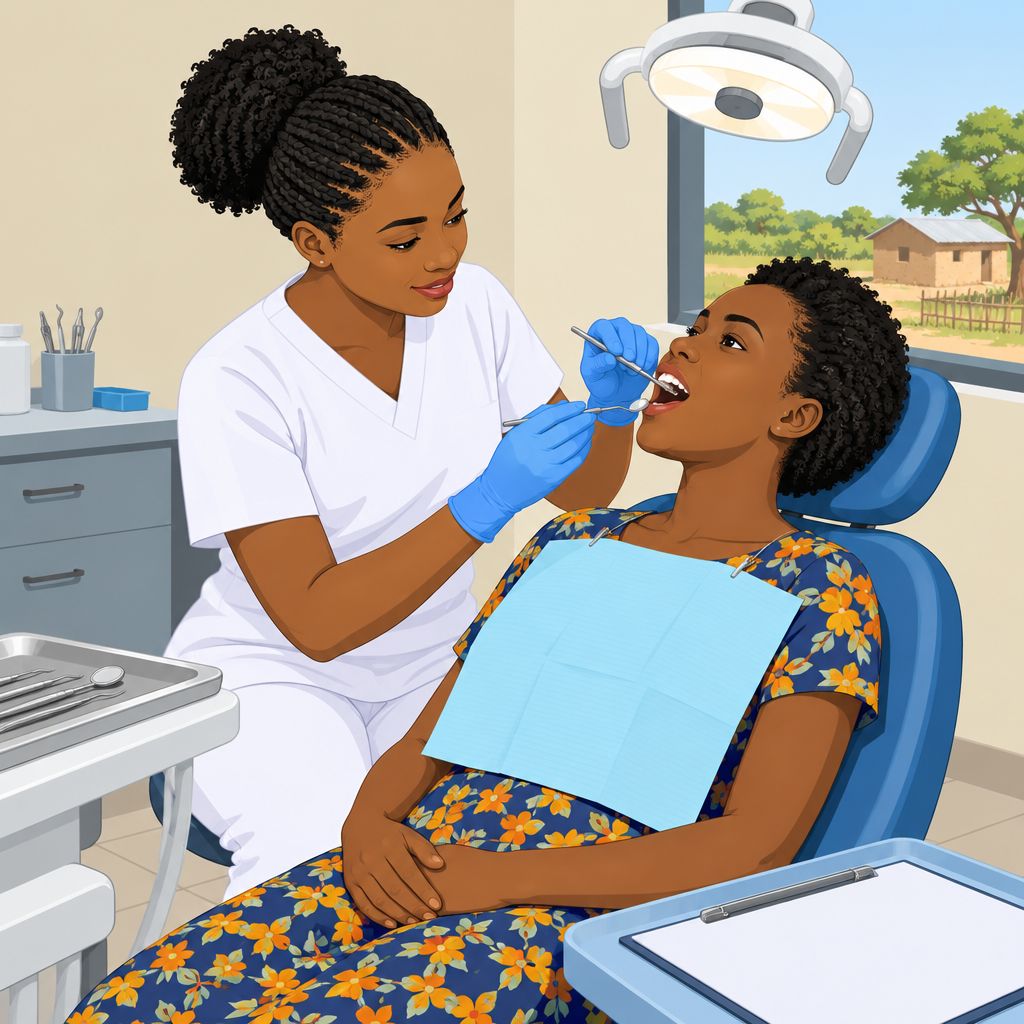
Early Detection and Intervention
Regular check-ups can reveal cavities, gum disease, and oral cancer during their early stages.
Early treatment can help residents avoid more invasive dental procedures later.
Therefore, consistent preventive visits support healthier outcomes for individuals and rural communities.
Oral Hygiene Education and Healthy Choices
Dental therapists teach residents why regular brushing and flossing protect oral health.
They demonstrate effective techniques and explain how residents can select suitable oral care products.
They also discuss healthy diets and lifestyle choices that influence dental health.
Long-Term Value of Prevention
Preventive dental care can reduce the frequency of serious dental problems.
Addressing concerns early can lower future treatment costs for individuals and communities.
As a result, prevention can support quality of life while reducing the need for costly procedures.
Preventive Health Education in Local Settings
Dental therapists can work with local health agencies and schools to strengthen oral health education.
They can organize screenings and educational activities for residents without regular dental visits.
These efforts help rural communities make preventive care part of everyday health practices.
Learn More: Advanced Anatomy Courses Available in Nigeria
Training and Education for Dental Therapists
Proper training equips dental therapists to deliver quality care in rural areas.
Because rural patients may have limited dental services, therapists need preparation for varied clinical needs.
Ongoing professional development helps therapists maintain effective skills and respond to changes in dental practice.
Clinical Training and Preventive Care
Comprehensive training gives dental therapists the knowledge required to assess, diagnose, and treat patients effectively.
Therapists learn to understand dental conditions and perform appropriate procedures.
They also provide preventive care that supports long-term oral health.
Additionally, therapists teach patients proper oral hygiene practices and preventive measures.
Professional Development and Patient Trust
Dental technology continues to advance, so therapists must regularly update their knowledge and practical skills.
Continuous learning helps therapists use current tools and techniques when providing care.
Furthermore, strong preparation allows therapists to demonstrate competence and professionalism.
As a result, patients can develop trust in their therapists and feel more satisfied with their care.
Cultural Awareness and Professional Collaboration
Training programs should teach cultural awareness so therapists can communicate respectfully with diverse patients.
Cultural competence helps therapists provide patient-centered care that respects individual beliefs and values.
Moreover, therapists should collaborate with dentists, hygienists, and other dental professionals.
This teamwork supports comprehensive care and helps address different aspects of oral health.
Strategies for Overcoming Rural Dental Care Barriers
Rural communities can improve dental care access by combining mobile services, virtual consultations, workforce incentives, and local partnerships.
These approaches can bring dental support closer to remote residents while reducing travel barriers.
Community organizations can help providers connect with residents through coordinated outreach activities.
- Implement mobile dental clinics to reach remote areas.
- Offer tele-dentistry services for virtual consultations.
- Provide incentives for dental professionals to work in rural communities.
- Establish partnerships with community organizations for outreach programs.
Recommendations for Improving Dental Therapy Access
Policymakers, healthcare providers, and community members each have roles in improving access to dental therapy services.
Policymakers can support long-term improvements through infrastructure investments, scholarships, and collaboration with local governments.
Healthcare providers and community members can strengthen these efforts through education, awareness, and local participation.
- Invest in infrastructure for dental facilities in rural areas.
- Create funding opportunities for dental scholarships in underserved regions.
- Develop education and awareness campaigns about the importance of oral hygiene.
- Collaborate with local governments to prioritize oral health initiatives.
These measures can help bridge dental care access gaps and improve oral health outcomes in rural communities.
Expanding Rural Oral Health Through Dental Therapy
Dental therapy can strengthen oral health services for residents of rural areas.
By combining preventive and restorative care, dental therapists can support better oral health outcomes.
Moreover, dental therapy offers a practical response to persistent provider shortages.
Cost-effectiveness makes dental therapy a practical option for rural healthcare settings.
Dental therapists can also address common oral health issues within their permitted scope.
Consequently, integrating dental therapy into rural healthcare settings can expand access to quality dental care.
This integration can improve the well-being of people living in underserved communities.
Therefore, policymakers, healthcare providers, and community leaders should support essential oral health services for everyone.
Geographic location should not determine whether individuals receive necessary dental care.
Additional Resources
Google search results for The Importance of Dental Therapy in Rural Areas Medical
Bing search results for The Importance of Dental Therapy in Rural Areas Medical


