




Preventive and Social Medicine
Preventive and social medicine promotes health and prevents diseases before they occur.
It plays a crucial role by emphasizing preventive measures in healthcare.
These approaches reduce disease burdens, improve quality of life, and increase life expectancy.
Core Preventive Health Strategies
Healthy behaviors, including regular exercise and balanced diets, help prevent chronic diseases.
These diseases include diabetes and heart disease.
Furthermore, vaccinations prevent infectious diseases such as measles, polio, and influenza.
Screening programs detect diseases such as cancer and hypertension at earlier stages.
Early detection enables healthcare providers to offer timely intervention and treatment.
Health education informs the public about risks and encourages regular health check-ups.
It also promotes healthy lifestyle choices among individuals and communities.
Meanwhile, healthcare providers, policymakers, and communities must collaborate on effective preventive measures.
This collaboration strengthens public health and supports individual and community well-being.
Epidemiology and Disease Prevention
Epidemiology examines how diseases spread and how communities can control them.
It identifies disease patterns and factors that increase health risks.
Meanwhile, surveillance and monitoring help detect outbreaks and prevent public health crises.
Vaccination and Community Protection
Vaccines protect individuals and communities from infectious diseases.
Additionally, widespread vaccination creates herd immunity within populations.
Vaccination programs have also helped eradicate diseases such as smallpox.
Health Education and Promotion
Health education empowers people to make informed decisions about their well-being.
Furthermore, healthy behaviors can reduce disease risks and improve overall well-being.
Public health campaigns raise awareness about preventive measures and available resources.
Screening and Early Intervention
Screening tests can identify diseases early, when treatment often works most effectively.
Regular screenings for conditions such as cancer support early intervention and prevention.
Healthcare guidelines use epidemiological data and risk factors to recommend specific screenings.
Environmental Health Protection
Clean air, water, and food help prevent many health problems.
Moreover, environmental monitoring identifies hazards such as pollution.
Sustainable practices and policies support a healthy environment for present and future generations.
Importance of Vaccines in Preventing Infectious Diseases
Vaccines prevent infectious diseases by giving people immunity against specific pathogens.
They reduce outbreak risks and protect people with weakened immune systems.
Moreover, widespread vaccination supports herd immunity by limiting disease transmission across communities.
Vaccine Types and Administration Schedules
Several vaccine types exist, including live attenuated, inactivated, subunit, and mRNA vaccines.
Each type works differently, and health authorities administer doses according to recommended age-based schedules.
For instance, children receive MMR, DTaP, and polio vaccines at specific intervals for optimal protection.
Challenges and Misconceptions Surrounding Vaccination
Vaccine hesitancy remains a major challenge because misinformation and side-effect concerns influence personal decisions.
However, scientific research has thoroughly debunked the claim that vaccines cause autism.
Furthermore, limited availability and affordability create barriers to broad immunization coverage in some regions.
Therefore, vaccination and immunization remain essential components of preventive medicine practice.
Addressing misinformation and access barriers can support stronger public health protection.
Discover More: Biomedical Technology Startups in Nigeria
Role of Health Promotion in Preventing Diseases
Health promotion empowers individuals to control their health and well-being.
Transform Your Career with Expert Guidance
Get personalized mentorship consulting that’s tailored to your unique path. Our expert advice is actionable and exclusive.
Get StartedIt provides information and resources for informed health decisions.
These decisions can lower the risk of developing diseases.
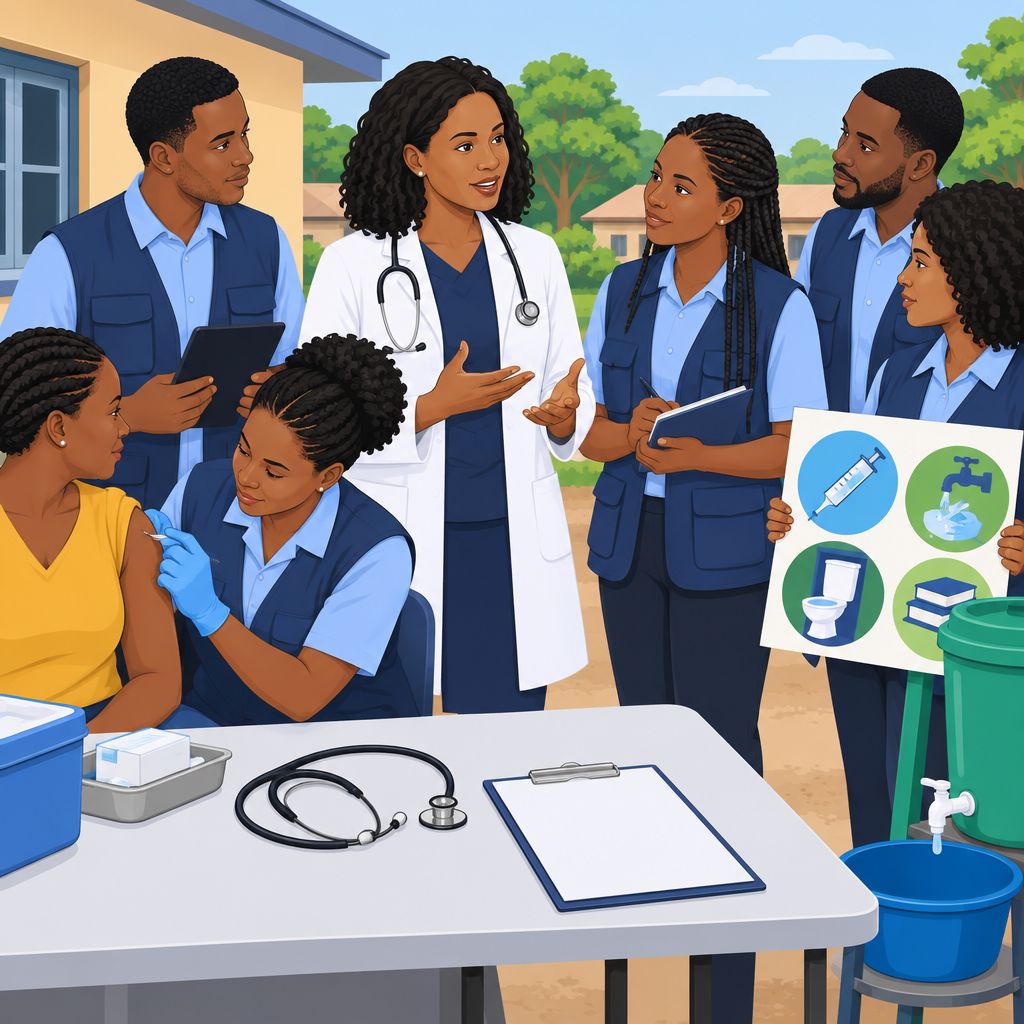
Strategies for Promoting Healthy Behaviors and Lifestyles
Health educators can promote regular exercise and balanced diets.
They can also teach stress management techniques.
Additionally, public campaigns can explain the dangers of smoking.
Such campaigns can address excessive alcohol consumption and unprotected sex.
Importance of Community Involvement in Health Education Programs
Community involvement supports the success of health education programs.
Engaging community members helps educators address local needs and concerns.
Consequently, programs become more relevant and effective in promoting positive health behaviors.
Health Promotion Supports Well-Being
Health promotion and education strengthen preventive and social medicine practice.
They help individuals make informed choices about their health.
Community participation also supports disease prevention and overall well-being.
Gain More Insights: Nigerian Celebrities Speaking on Mental Health
Environmental Health and Sanitation
The environment plays a crucial role in determining individual health.
It can promote good health or contribute to various health hazards.
Therefore, communities must manage environmental conditions carefully.
Importance of Clean Water, Sanitation, and Waste Management
Clean water supports drinking, cooking, and personal hygiene.
Without clean water, people face increased risks of waterborne diseases.
Adequate sanitation prevents disease by supporting proper human waste disposal.
Additionally, effective waste management reduces pollution and environmental health risks.
Strategies for Preventing Environmental Health Hazards
Governments can implement regulations that control pollution and protect natural resources.
Meanwhile, awareness campaigns can promote proper waste disposal and sanitation practices.
Regular inspections can help industries and businesses follow environmental regulations.
Investing in infrastructure can improve clean water supplies and waste treatment facilities.
Finally, communities can collaborate on sustainable environmental health initiatives.
Learn More: Studying Radiology: Nigerian Student Experiences
Occupational Health and Safety in the Workplace
Occupational health and safety are key areas in preventive and social medicine.
They focus on worker well-being within the workplace.
This field promotes safe conditions and supports employee health and productivity.
Importance of Workplace Safety Regulations
Workplace safety regulations protect employees from potential hazards in their work environments.
These regulations establish standards and guidelines for employers.
By following them, employers can prevent workplace accidents, injuries, and illnesses.
Common Occupational Health Hazards
Workers may encounter chemical, ergonomic, and violence-related hazards.
Occupational health professionals identify these hazards and recommend preventive measures.
Employers can reduce risks through training, protective equipment, and workplace controls.
- Workers exposed to chemicals may develop respiratory problems or skin irritation.
- Employers should provide chemical handling training, protective equipment, and proper ventilation.
- Poor ergonomics can cause back pain, carpal tunnel syndrome, and neck strain.
- Employers should provide supportive workstations, ergonomic furniture, and regular breaks.
- Workplace violence may come from coworkers, customers, or external threats.
- Employers should use security measures, conflict resolution training, and zero-tolerance policies.
Role of Occupational Health Professionals
Occupational health professionals help employers create safer work environments.
They identify hazards, assess risks, and recommend preventive measures.
They also support worker health through education, training, and safety policies.
- Professionals conduct health risk assessments to identify workplace hazards.
- They assess how workplace risks may affect employees’ health.
- They provide training about lifting, chemical handling, and emergency procedures.
- Training helps workers recognize hazards and follow safer practices.
- Professionals help employers develop policies that meet regulatory requirements.
- These policies define responsibilities and emergency response procedures.
Employers can strengthen workplace safety by identifying hazards and applying appropriate controls.
Occupational health professionals provide expertise that supports safer working conditions.
These efforts protect employees and support organizational health and productivity.
You Might Also Like: Aftercare Tips for Restorative Dental Procedures
Maternal and Child Health
Maternal and child health supports the well-being of women during pregnancy and children after birth.
Preventive medicine uses this focus to protect families and encourage healthy development.
Moreover, healthcare professionals can improve family health through timely preventive measures.
Importance of Maternal and Child Health in Preventive Medicine
Preventive care helps reduce complications during pregnancy and childbirth.
It also supports healthy child development and reduces maternal and infant mortality rates.
Additionally, strong maternal and child health improves overall family well-being.
- Preventing complications during pregnancy and childbirth
- Promoting healthy development of the child
- Reducing maternal and infant mortality rates
- Enhancing overall family health and well-being
Strategies for Promoting Prenatal Care and Child Immunizations
Accessible prenatal check-ups and screenings help healthcare professionals monitor maternal and child health.
Education can guide mothers toward nutritious choices and healthy lifestyles during pregnancy.
Meanwhile, timely child immunizations and community support strengthen preventive care.
- Providing access to prenatal check-ups and screenings
- Offering education on maternal nutrition and healthy lifestyle choices
- Encouraging timely immunizations for children
- Collaborating with community resources for support
Addressing Common Health Issues in Mothers and Children
Healthcare professionals should recognize common health concerns affecting mothers and children.
Early attention to these concerns can support family health and well-being.
Furthermore, preventive care can address risks such as gestational diabetes and childhood obesity.
- Gestational diabetes
- Postpartum depression
- Low birth weight
- Childhood obesity
By applying preventive measures, healthcare professionals can improve the health and well-being of families.
Therefore, maternal and child health deserves priority in preventive medicine.
Mental Health Promotion
Mental health is an essential part of overall well-being, influencing thoughts, emotions, and behaviors.
It also affects how people cope with stress, make decisions, and interact with others.
Furthermore, it shapes daily experiences and personal relationships.
Positive mental health helps people enjoy life, manage challenges, and maintain strong relationships.
However, poor mental health can cause sadness, anxiety, and isolation, which may reduce quality of life.
Mental Health Awareness and Stigma Reduction
Education and open communication increase awareness about mental health issues.
Additionally, encouraging people to seek help supports healthier outcomes.
Promoting self-care practices can also strengthen mental well-being.
Reducing stigma encourages understanding and empathy toward people facing mental health challenges.
Empowering individuals to share experiences helps remove barriers to seeking support.
Access to Mental Health Services and Resources
People experiencing mental health issues need access to appropriate support and treatment.
Community-based programs provide valuable opportunities to receive mental health care.
Moreover, support groups and helplines connect people with helpful resources.
Expanding services in underserved communities can improve access to treatment.
Affordable care options can also remove financial barriers.
Finally, healthcare providers, policymakers, and mental health professionals can collaborate on comprehensive services.
These efforts can foster a society that values and supports mental well-being for everyone.
Building Healthier Communities Through Prevention
Preventive and social medicine combines vaccination, health education, and environmental interventions to reduce health risks.
It also addresses physical, mental, emotional, and social well-being through a holistic approach to healthcare.
Furthermore, regular health screenings, vaccination, a healthy diet, and exercise support preventive care.
These measures can reduce disease burdens and improve overall health outcomes.
Individuals and communities can therefore reduce disease burdens through consistent preventive practices.
Moreover, collaboration and mutual support can strengthen a culture of prevention.
Such cooperation can help create a healthier society for future generations.
Additional Resources
Google search results for Key Areas of Preventive and Social Medicine Practice Medical
Bing search results for Key Areas of Preventive and Social Medicine Practice Medical


