Marine Biology and Coastal Conservation
Marine biology is the scientific study of marine organisms and their interactions with the environment.
It plays a crucial role in understanding and conserving coastal ecosystems.
Nigeria’s coastal conservation is especially important.
The country has a vast coastline and rich biodiversity.
Millions of people depend on marine resources for their livelihoods.
The Importance of Marine Biodiversity
Nigeria hosts diverse marine species, including sea turtles, dolphins, and colorful fish.
These species help maintain healthy marine ecosystems in Nigerian waters.
Protecting marine biodiversity preserves ecological balance and sustains marine resources.
Furthermore, marine biodiversity supports nutrient cycling and oxygen production.
It also provides food and livelihoods for coastal communities through fishing and tourism.
By protecting these species, Nigeria can safeguard vital resources for future generations.
Additionally, marine species provide scientific knowledge and potential medicines for human health.
However, biodiversity loss can trigger algae blooms and damage coral reefs.
Through conservation efforts, communities can reduce these threats and protect marine life.
Ultimately, preserving Nigeria’s marine biodiversity supports a sustainable and thriving marine environment.
Major Threats to Coastal Conservation in Nigeria
Nigeria’s coastal areas face several threats that weaken ecosystem health.
Pollution, overfishing, and habitat destruction place sustained pressure on coastal environments.
These pressures can reduce ecological stability and harm marine wildlife.
Industrial waste, oil spills, and plastic pollution contaminate coastal waters.
Unsustainable fishing practices deplete fish populations and disturb marine ecosystems.
Coastal development, dredging, and deforestation destroy important habitats.
Pollution Effects on Marine Ecosystems
Pollution introduces harmful substances into coastal waters and surrounding habitats.
Oil spills contaminate water, suffocate marine life, and disrupt food chains.
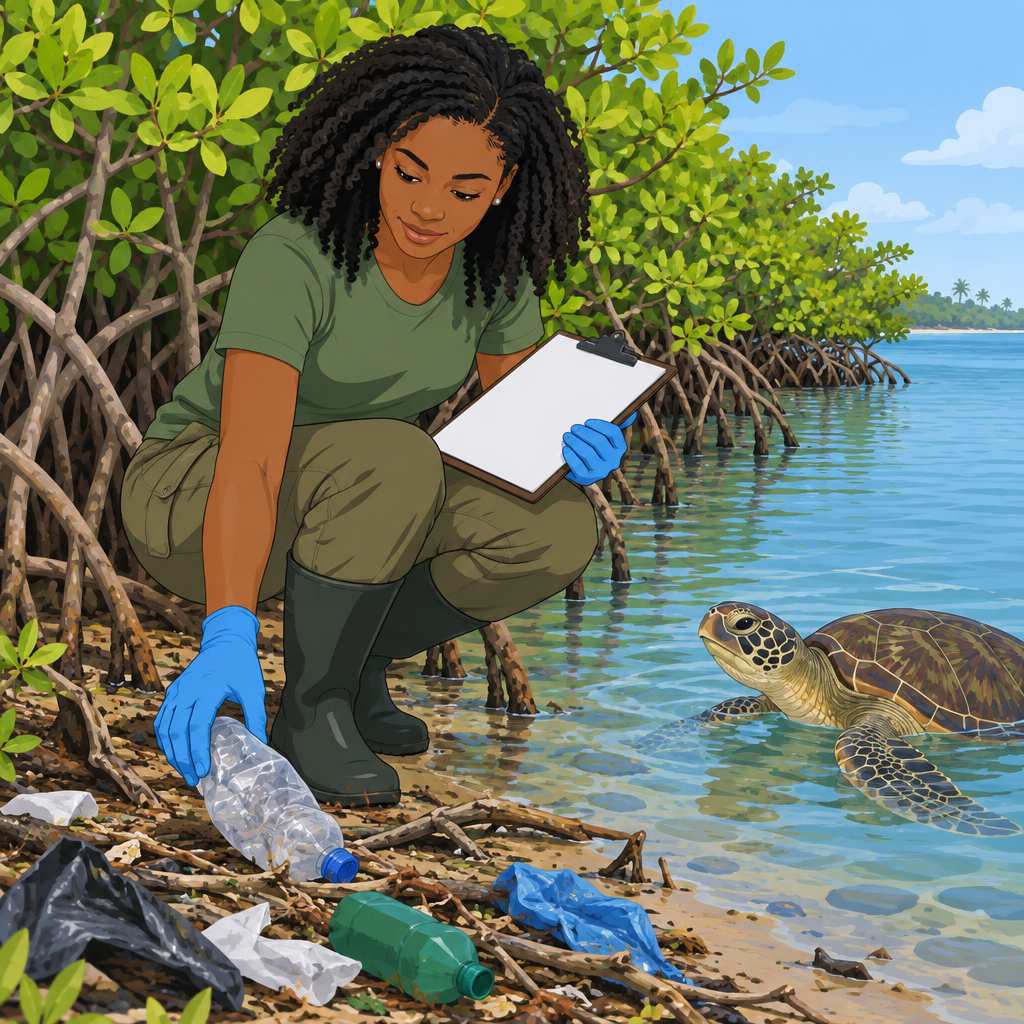
Plastic pollution causes marine animals to experience entanglement and ingestion.
It also degrades habitats and reduces their ability to support marine life.
Industrial waste introduces toxic chemicals that harm aquatic organisms.
Consequently, polluted waters can disrupt ecological relationships and ecosystem functions.
Overfishing Effects on Marine Ecosystems
Overfishing removes fish faster than populations can recover naturally.
Declining fish populations create imbalances throughout marine food chains.
Bycatch also captures non-target species and reduces their populations.
Fishing gear can therefore deplete various marine species.
Furthermore, overfishing can weaken ecosystem stability and reduce biodiversity.
Severe population declines may eventually cause fisheries and related ecosystems to collapse.
Habitat Destruction Effects on Marine Ecosystems
Coastal development and dredging remove spaces that marine organisms need.
Deforestation further reduces habitats that support coastal wildlife.
The destruction of mangroves, coral reefs, and seagrass beds reduces biodiversity.
Marine species may leave areas that no longer provide suitable shelter.
Development can displace organisms from their natural habitats.
Habitat loss also disrupts breeding grounds and feeding areas for marine wildlife.
Sustainable Actions for Coastal Protection
Nigeria can protect coastal ecosystems by addressing pollution, overfishing, and habitat destruction.
Transform Your Career with Expert Guidance
Get personalized mentorship consulting that’s tailored to your unique path. Our expert advice is actionable and exclusive.
Get StartedSustainable practices can reduce pressure on marine environments and their wildlife.
Conservation efforts can also preserve ecological balance across coastal areas.
Reducing pollution would limit contamination from oil, plastics, and industrial waste.
Responsible fishing would help protect fish populations and reduce harmful bycatch.
Protecting coastal habitats would support marine wildlife and maintain ecosystem functions.
You Might Also Like: How to Choose the Right Geology Program in Nigeria
Existing Initiatives and Policies for Coastal Conservation
Nigeria uses several initiatives and policies to support coastal conservation.
These efforts help protect coastal ecosystems and support their sustainability for future generations.
Government agencies, NGOs, and communities each contribute to this shared conservation work.
Government Agencies
Government agencies coordinate important actions that address risks to coastal ecosystems.
These agencies enforce regulations, respond to pollution, and guide sustainable coastal management.
Furthermore, their responsibilities support cooperation between public institutions and coastal stakeholders.
- The National Oil Spill Detection and Response Agency, or NOSDRA, responds to oil spills threatening coastal ecosystems.
- The Nigerian Maritime Administration and Safety Agency, or NIMASA, enforces regulations protecting marine life.
- The Federal Ministry of Environment oversees coastal management policies and promotes sustainable development.
Non-Governmental Organizations
Non-governmental organizations support conservation through research, advocacy, and community engagement.
They also promote biodiversity protection and encourage sustainable practices in coastal regions.
Moreover, their activities complement government efforts and strengthen public participation in conservation.
- The Nigerian Conservation Foundation focuses on biodiversity conservation and community engagement in coastal areas.
- The Wildlife Conservation Society conducts research and advocacy to protect endangered species and coastal habitats.
- Environmental Rights Action/Friends of the Earth Nigeria advocates for environmental justice and sustainable coastal practices.
Community-Led Efforts
Coastal communities contribute directly to conservation by managing marine resources responsibly.
Community-based organizations cooperate with agencies and NGOs to implement local conservation initiatives.
Traditional leaders and elders also share local knowledge that guides conservation activities.
- Local communities use sustainable fishing practices and restore habitats along the coast.
- Community-based organizations work with agencies and NGOs on initiatives benefiting people and nature.
- Traditional leaders and elders provide knowledge about local marine environments and guide conservation efforts.
Collaboration among these groups can strengthen coastal conservation across Nigeria.
Targeted initiatives and policies can support the long-term health and resilience of coastal ecosystems.
Gain More Insights: Modern Innovations in Nigerian Ship Building
Akassa Turtle Project in Bayelsa State
Coastal conservation projects can protect species and support nearby communities.
One example is the Akassa Turtle Project in Bayelsa State.
The project focuses on sea turtles nesting along Nigeria’s coastline.
- The project protects and conserves nesting sea turtles.
- Akassa provides a setting for coastal conservation activities.
Effects on Marine Biodiversity
The project has produced a significant increase in local sea turtle numbers.
Conservation efforts have also benefited other marine species.
These gains have supported a more diverse ecosystem.
- Sea turtle populations have increased significantly in the area.
- Other marine species have benefited from the conservation efforts.
Benefits for Local Communities
The project has created employment opportunities for local conservation rangers.
Local residents now understand marine biodiversity protection more clearly.
This awareness encourages protection for future generations.
- Local community members work as conservation rangers.
- Residents recognize the importance of protecting marine biodiversity.
Lekki Conservation Centre in Lagos
The Lekki Conservation Centre represents another successful coastal conservation project in Nigeria.
The centre preserves natural habitats for various bird species.
Its work includes protection for the endangered African Spoonbill.
- The centre protects natural habitats for various bird species.
- The project provides a safe haven for endangered African Spoonbills.
Protection of Marine Biodiversity
The centre helps protect mangrove forests along the coastline.
These mangroves play an important role in coastal marine biodiversity.
Educational programs explain why mangroves matter within coastal ecosystems.
- Mangrove forests receive protection through the centre’s conservation work.
- Educational programs promote awareness of mangrove ecosystem benefits.
Nearby communities have experienced increased ecotourism linked to the centre.
This ecotourism provides economic benefits for local residents.
The project also teaches conservation and sustainable living practices.
- Ecotourism creates economic benefits for nearby communities.
- Community members can learn about conservation and sustainable living.
Community and Ecosystem Benefits
These projects demonstrate how conservation can support marine biodiversity.
They also create opportunities and awareness within local communities.
Together, they show the value of protecting Nigeria’s coastal environments.
Discover More: Student Experiences in Applied Math Programs
Challenges Facing Coastal Conservation in Nigeria
Inadequate funding remains a major challenge for coastal conservation projects in Nigeria.
Additionally, many local communities lack awareness of coastal conservation’s importance.
Poor enforcement of conservation laws and regulations also obstructs effective coastal protection.
Furthermore, limited collaboration among agencies, NGOs, and communities hinders conservation efforts.
Potential Solutions for Coastal Conservation
Stakeholders can address these challenges through stronger support, education, enforcement, and coordination.
Government agencies and international organizations can provide resources for conservation projects.
Meanwhile, local communities can contribute more effectively when conservation messages reach them clearly.
- Government and international organizations should increase funding to support conservation projects.
- Public awareness campaigns should educate local communities about coastal conservation’s importance.
- Authorities should strengthen enforcement by applying stricter penalties to conservation law violators.
- Stakeholders should promote partnerships to improve coordination among conservation participants.
Future Prospects for Coastal Conservation in Nigeria
Despite these challenges, Nigeria can improve coastal conservation through concerted efforts and suitable strategies.
Such progress can protect coastal ecosystems and strengthen support for conservation.
Moreover, public awareness and advocacy can encourage support from communities and government agencies.
Stronger enforcement, improved monitoring, and better evaluation can increase conservation effectiveness.
Finally, sustainable funding mechanisms and investments can support long-term protection of coastal biodiversity.
Find Out More: Prominent Nigerian Geologists and Their Contributions
Community Involvement in Coastal Conservation
Community involvement plays a vital role in coastal conservation efforts across Nigeria.
Engaging local communities supports the long-term success and sustainability of conservation projects.
Local residents can contribute valuable knowledge about their coastal and marine environments.
- Emphasize local participation in coastal conservation initiatives.
- Highlight community engagement benefits for sustainable conservation practices.
Local Knowledge and Conservation Planning
Conservation planners can use local knowledge to understand coastal conditions more effectively.
This knowledge helps communities and conservation teams develop suitable protection strategies.
Furthermore, locally informed approaches can respect community traditions and everyday experiences.
Benefits of Community Engagement
Active participation gives residents a stronger sense of ownership over their environment.
Consequently, communities may accept conservation regulations and support their implementation.
This cooperation can improve the likelihood of achieving successful conservation outcomes.
Livelihood Opportunities and Environmental Responsibility
Community involvement can also create alternative livelihood opportunities for local residents.
For example, residents can support sustainable ecotourism and responsible fisheries management.
These activities can provide economic benefits while protecting marine resources.
Community Empowerment in Conservation Decisions
Community engagement empowers residents to participate in conservation decisions and activities.
As a result, residents can feel more connected to their coastal environment.
They may also become more willing to take action that protects local resources.
Collaborative Conservation Outcomes
Effective coastal conservation requires cooperation between local communities and conservation partners.
Such cooperation can support sustainable practices that benefit people and the environment.
Working together can strengthen conservation efforts across Nigeria’s coastal areas.
Strengthening Nigeria’s Coastal Future
Coastal conservation in Nigeria protects marine biodiversity and strengthens ecosystem health.
It also sustains fisheries, supports local livelihoods, and helps protect endangered species.
Moreover, continued support for marine biology research can address environmental challenges.
Such support can also combat illegal fishing and guide sustainable marine resource policies.
By raising public awareness, Nigeria can build stronger support for coastal conservation.
Advocating for effective regulations can further protect marine habitats.
Together, collaborative efforts can create a more resilient marine ecosystem for future generations.
Community engagement can safeguard coastal areas and marine resources for people and the environment.
Additional Resources
Google search results for Marine Biology: Coastal Conservation in Nigeria Sciences
Bing search results for Marine Biology: Coastal Conservation in Nigeria Sciences