




Applied Biology and Its Importance in Nigeria
Applied biology uses biological principles and theories to address real-world problems.
Studying this field helps Nigeria address environmental, agricultural, and health challenges.
However, students face several difficulties while pursuing applied biology education and careers.
Limited Access to Practical Resources
Many students lack access to well-equipped laboratories and suitable field research facilities.
Consequently, they receive fewer opportunities to develop practical skills through experiments and fieldwork.
This limitation can weaken their preparation for applied biology careers.
Insufficient Research Funding
Applied biology research requires funding for equipment, supplies, and fieldwork.
Unfortunately, many research projects receive insufficient financial support.
As a result, students and researchers may struggle to complete meaningful investigations.
Outdated Academic Curricula
Some Nigerian academic programs still use curricula that do not reflect current developments.
These programs may provide limited exposure to modern trends and technologies in applied biology.
Updating course content would help students gain more relevant knowledge and skills.
Shortage of Qualified Instructors
Many institutions experience a shortage of experienced applied biology instructors.
This shortage can reduce the quality and depth of classroom instruction.
Furthermore, students may receive limited guidance during practical work and research activities.
Limited Employment Opportunities
Graduates often encounter difficulties when searching for applied biology jobs in Nigeria.
Limited employment opportunities can make career planning more difficult for students.
Therefore, many graduates may struggle to apply their training in professional settings.
Language Challenges in Academic Study
English serves as the language of instruction in Nigerian educational institutions.
Some students may experience difficulties when English is not their first language.
These difficulties can affect classroom participation, comprehension, and academic performance.
Strengthening Applied Biology Education
Applied biology remains important for addressing environmental, agricultural, and health concerns in Nigeria.
Addressing current challenges requires investment in infrastructure, curriculum development, and research support.
Capacity building for students and instructors can also improve the quality of applied biology education.
Practical Resource Gaps
Applied biology students in Nigeria often face limited practical resources.
These resources include laboratories, equipment, research funding, and fieldwork support.
Consequently, students receive fewer opportunities to develop practical skills.
Laboratory Access and Equipment
Many Nigerian universities struggle to provide sufficient laboratory space.
They also lack enough equipment for applied biology experiments.
Therefore, students cannot consistently conduct hands-on work or build essential practical skills.
Research Funding and Fieldwork
Students also face inadequate funding for research projects and fieldwork.
Without financial support, they cannot complete in-depth studies or field investigations.
This limitation weakens important parts of their academic training.
Effects on Practical Learning
Limited practical resources restrict students’ hands-on learning.
They may also struggle to connect theoretical concepts with real applications.
As a result, some graduates may lack skills needed for applied biology careers.
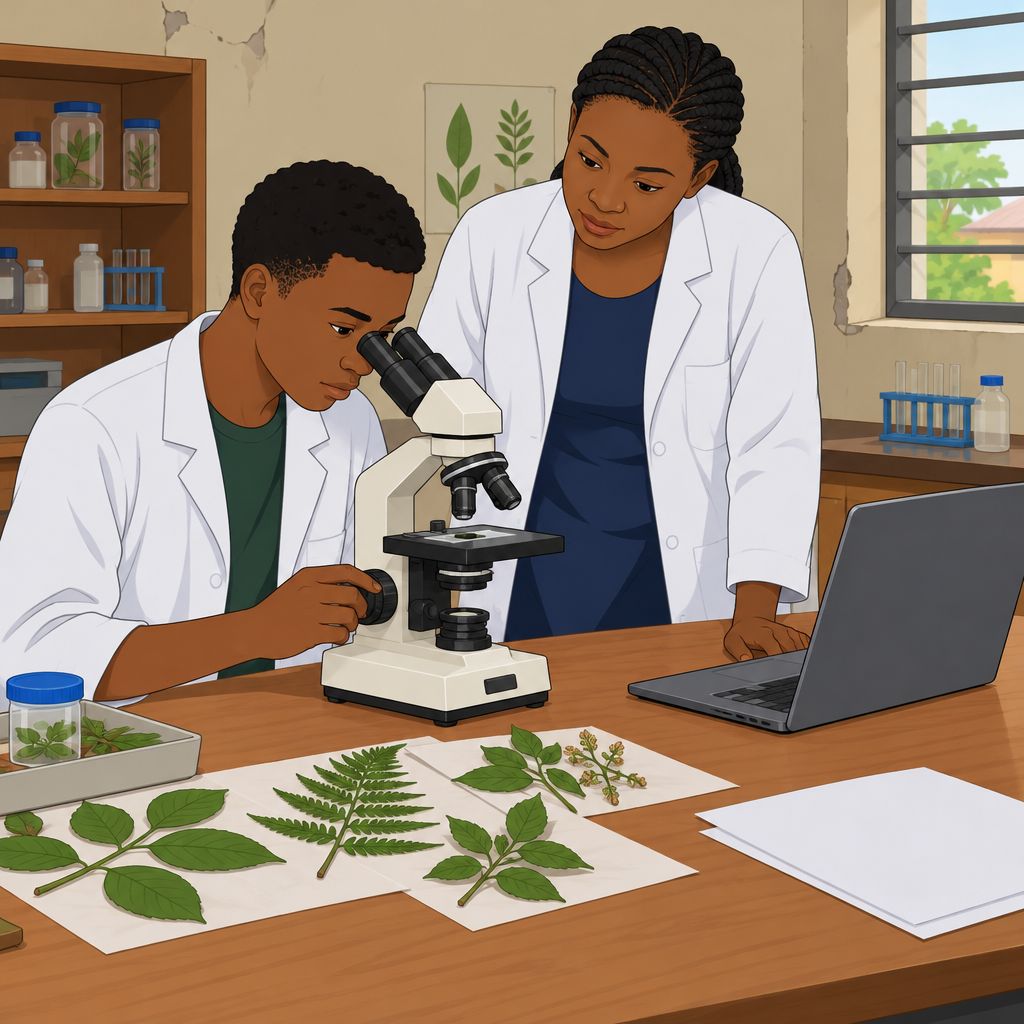
Priorities for Better Practical Training
Educational institutions and the government should increase support for practical training.
Additional investment could improve students’ learning experiences and research opportunities.
Stronger practical preparation can help students develop skills for future careers.
Curriculum Alignment and Emerging Trends in Applied Biology
Applied Biology programs in Nigeria may use curricula that no longer reflect current industry standards.
Transform Your Career with Expert Guidance
Get personalized mentorship consulting that’s tailored to your unique path. Our expert advice is actionable and exclusive.
Get StartedConsequently, students may learn content that differs from workplace expectations.
This gap can make it harder for graduates to apply their knowledge effectively in professional settings.
- The curriculum may not align with current industry standards.
- Programs may exclude emerging trends and technologies.
- Students may struggle to remain updated and relevant.
Furthermore, outdated content can weaken graduates’ employability and professional readiness.
Rapid advances in Biology also require institutions to introduce current developments and innovations.
However, students may struggle to remain relevant when programs do not reflect these changes.
Educational institutions should review their Applied Biology curricula regularly.
They should consult industry experts and professionals during each curriculum review.
These consultations can help institutions align course content with current practices and workplace expectations.
Additionally, institutions should connect classroom learning with current developments in Applied Biology.
Such updates can help students build knowledge that remains relevant beyond their studies.
Explore Further: Scholarships for Geophysics Students in Nigeria
Shortage of Qualified Faculty
- Institutions have a limited number of experienced professors and researchers in applied biology.
- Many programs rely on part-time or visiting lecturers for teaching support.
- Faculty shortages can weaken education quality and student mentorship.
Applied biology programs in Nigeria often lack enough experienced professors and researchers.
Therefore, institutions may depend on part-time or visiting lecturers to cover teaching needs.
These temporary appointments can reduce continuity in instruction and student support.
Students may consequently receive less specialized guidance when they study complex biological concepts.
Without expert supervision, they can struggle to connect theory with advanced research and practical applications.
Moreover, different lecturers may use inconsistent teaching approaches across the same program.
Visiting instructors may also lack familiarity with institutional curricula and academic standards.
Consequently, gaps in knowledge transfer can weaken students’ learning outcomes and progress.
Faculty shortages also reduce access to mentorship about academic and career decisions.
Experienced professors can connect students with useful resources, networks, and development guidance.
When those mentors are unavailable, students may find it harder to plan their professional paths.
Addressing this challenge requires institutions to attract and retain qualified biology educators.
Stronger faculty support can improve teaching quality, mentorship, and student development.
Learn More: Future Prospects for Archaeological Research in Nigeria
Career Opportunities in Applied Biology
Students studying applied biology in Nigeria face several challenges that affect academic and career growth.
Limited job opportunities can make it difficult for graduates to apply their knowledge professionally.
Several factors contribute to these employment challenges.
Awareness of Applied Biology Career Paths
Many students lack clear awareness of the career paths available in applied biology.
This uncertainty can narrow their understanding of potential employment opportunities after graduation.
Therefore, students may overlook relevant roles within their field.
Limited Industry Partnerships
Academic institutions often have insufficient partnerships with industries offering applied biology opportunities.
Without internships, students receive fewer chances to gain practical workplace experience.
Consequently, graduates may struggle to demonstrate relevant skills when seeking employment.
Difficulty Securing Relevant Employment
Graduates may find it difficult to secure employment related to their applied biology studies.
A competitive job market can increase the difficulty of finding suitable positions.
Limited industry demand can further reduce available opportunities for qualified graduates.
Collaboration for Better Career Development
Educational institutions, industries, and government bodies must cooperate to improve employment prospects.
Stronger collaboration can expand access to internships and job placements.
These efforts can support career development for applied biology students in Nigeria.
Learn More: Successful Nigerian Ecologists: Profiles and Achievements
Student Support Services in Applied Biology
Inadequate support services create significant challenges for applied biology students in Nigeria.
This gap can affect students’ academic progress and overall well-being.
Therefore, students need reliable assistance throughout their academic experience.
Academic Advising and Career Guidance
Many students lack access to effective academic advising and career guidance.
Consequently, they may struggle to navigate their academic paths and plan future careers.
Experienced advisers can help students make informed academic and career decisions.
Counseling and Mental Health Services
Students also have limited access to counseling and mental health services.
Academic workloads, examinations, and career concerns can create stress and anxiety.
Without appropriate support, students may find it difficult to manage these pressures effectively.
Managing Academic and Personal Responsibilities
Students often balance academic responsibilities with personal commitments.
Work, family responsibilities, and other obligations can complicate this balance.
Without adequate support, students may struggle to manage competing demands and experience academic setbacks.
Strengthening Support for Student Success
Educational institutions should provide accessible academic advising and career guidance.
They should also expand counseling and mental health services for students.
These measures can help students succeed academically and prepare for future careers.
Gain More Insights: Zoological Society of Nigeria: Role and Activities
Cultural and Societal Perceptions of Applied Biology
- Misconceptions can reduce appreciation for applied biology.
- Family and societal pressure can encourage students to choose traditional or lucrative fields.
- These perceptions can influence students’ motivation and confidence.
Students studying applied biology in Nigeria often encounter cultural and societal perceptions that shape their educational experiences.
Many people misunderstand the field’s value and relevance.
They may consider applied biology less prestigious or important than other scientific disciplines.
Furthermore, families and communities may encourage students to choose medicine, engineering, or law.
These expectations can discourage students who feel passionate about biology.
Consequently, students may question their abilities and commitment to the field.
Supportive families, teachers, and communities can strengthen students’ confidence.
Public education can also challenge stereotypes about applied biology.
Applied biology contributes to healthcare, environmental sustainability, and agriculture.
Therefore, explaining these contributions can encourage students to pursue their interests.
Infrastructure and Technological Challenges
- Poor internet connectivity and limited access to online research resources
- Inadequate library facilities and digital databases for academic purposes
- Reduced ability to conduct thorough research and access study materials
Students studying applied biology in Nigeria face major infrastructure and technology challenges.
Poor internet connectivity often prevents them from accessing online resources for research.
Additionally, inadequate library facilities and digital databases restrict their academic work.
Without sufficient resources, students struggle to gather information for thorough research.
This limitation can weaken their academic performance and restrict their understanding of applied biology.
Furthermore, outdated resources can limit exposure to current research and recent developments.
Consequently, students may find it harder to understand changing trends within the field.
Limited access to information can also reduce opportunities to explore new ideas.
Moreover, students may struggle to conduct experiments or develop innovative biological solutions.
These restrictions can weaken creativity and innovation, which support successful applied biology careers.
Improving infrastructure and technology would give students stronger resources for their academic development.
Better access would also help them contribute more meaningfully to applied biology.
Strengthening Applied Biology Education in Nigeria
Students studying applied biology in Nigeria face challenges that hinder academic progress and career prospects.
Inadequate facilities, outdated curriculum, and limited research opportunities can discourage students.
Therefore, addressing these issues remains crucial for the field’s growth and development.
By overcoming these challenges, students can enhance learning, improve skills, and contribute meaningfully to applied biology.
Additionally, educators, policymakers, and stakeholders must collaborate to develop effective solutions.
This collaboration can empower students and create a conducive environment for studying and practicing applied biology.
Despite these difficulties, applied biology students demonstrate resilience, determination, and passion for their field.
Furthermore, their commitment to learning highlights the importance of supporting and investing in their education.
Additional Resources
Google search results for Common Challenges in Studying Applied Biology in Nigeria Sciences
Bing search results for Common Challenges in Studying Applied Biology in Nigeria Sciences


