




Introduction
Fieldwork experiences play a crucial role in animal science education.
They let students apply theoretical knowledge to real-life situations and understand concepts more clearly.
Through fieldwork, students develop practical skills in animal handling, behavior observation, and data collection.
Additionally, these experiences strengthen students’ understanding of animal science and deepen their learning.
Fieldwork covers animal nutrition, health, reproduction, and welfare.
Students can specialize in specific areas based on their interests and career goals.
Fieldwork Applications in Animal Science Education
Fieldwork gives animal science students direct experience with animal behavior and biology.
In natural habitats, students observe species, study habits, and examine ecosystem dynamics.
These observations extend classroom learning through direct study and practical investigation.
- Students identify different species during field observations.
- They study animal habits within their surrounding environments.
- They examine relationships between animals and ecosystem conditions.
Furthermore, fieldwork strengthens critical thinking and problem-solving abilities.
When challenges arise, students adapt quickly and respond to unexpected situations.
By analyzing collected data, students draw conclusions and make informed decisions.
- Students apply theoretical knowledge to real-world field situations.
- They solve problems while responding to changing field conditions.
- They learn to think carefully and act effectively during investigations.
Fieldwork also connects students with practical learning opportunities.
Research projects require students to collect information about animals, habitats, or populations.
Additionally, internships and volunteer roles expose students to professional animal science settings.
- Students may collect data during research projects.
- They may support work at wildlife rehabilitation centers, zoos, or research institutions.
- They may study ecosystems during trips to natural reserves or marine sanctuaries.
Through these experiences, students deepen their understanding of animals and their environments.
They also develop adaptable skills for studying behavior, biology, and ecosystem relationships.
Therefore, fieldwork provides an essential foundation for animal science education.
Fieldwork Activities in Animal Science Education
Animal observation helps students recognize behavior patterns and natural habitats.
Meanwhile, data collection gives students information for analyzing trends in animal science.
Students examine specimens during sample analysis to study genetic traits and health indicators.
These activities strengthen understanding by connecting classroom concepts with hands-on experience.
Additionally, fieldwork lets students apply theoretical knowledge to real-world situations.
Students develop critical thinking skills when they analyze and interpret collected data.
Furthermore, diverse environments provide broader perspectives on animal science.
Different ecosystems present unique challenges and opportunities for studying animals.
Students compare animal behavior and environmental factors across various habitats.
Exposure to varied settings improves adaptability and encourages effective problem-solving.
Fieldwork also promotes cultural awareness and respect for different ecosystems.
Moreover, these experiences help students appreciate nature’s complexity and interconnectedness.
Hands-on engagement deepens appreciation for animal behavior and ecology.
Students gain practical skills that support future careers in animal science.
Beyond academic learning, fieldwork encourages personal growth through active participation.
Students work collaboratively, communicate effectively, and persevere in challenging environments.
Finally, fieldwork inspires curiosity and passion for further animal science studies and research.
Explore Further: Agricultural Economics Societies in Nigeria
Challenges in Animal Science Fieldwork
Fieldwork offers valuable learning opportunities, but students also encounter practical, environmental, and ethical challenges.
These obstacles can affect safety, research quality, and the overall success of fieldwork activities.
Students can respond effectively by preparing carefully, communicating clearly, and adapting their approaches.
Adverse Weather Conditions
Adverse weather can disrupt fieldwork through extreme heat, heavy rainfall, or strong winds.
Transform Your Career with Expert Guidance
Get personalized mentorship consulting that’s tailored to your unique path. Our expert advice is actionable and exclusive.
Get StartedUnpredictable conditions may affect student comfort, safety, and the progress of planned activities.
Students should bring suitable clothing and equipment to manage changing weather conditions.
Limited Resources
Limited resources can prevent students from accessing essential equipment, tools, or research materials.
When resources remain unavailable, students must identify practical alternatives for completing their work.
Resourcefulness helps students improvise without losing sight of their research objectives.
Ethical Considerations
Fieldwork also requires students to consider animal welfare, conservation, and community rights.
Ethical guidelines help students make responsible decisions during animal science activities.
Respecting animals, environments, and indigenous communities supports responsible fieldwork practices.
Strategies for Managing Fieldwork Challenges
Students can reduce fieldwork difficulties by preparing thoroughly before entering the field.
They can also adjust their methods when circumstances change unexpectedly.
Furthermore, collaboration allows students to share knowledge and solve problems more effectively.
Planning and Preparation
Proper planning helps students understand the location, terrain, equipment, and supplies required.
Researching the field site allows students to anticipate possible difficulties before activities begin.
Organized preparation can prevent avoidable problems and improve fieldwork efficiency.
Flexibility and Adaptability
Fieldwork conditions can change quickly, requiring students to adjust their original plans.
Flexible students remain open to new methods and unexpected learning opportunities.
Adaptability helps students develop creative responses when established approaches become impractical.
Collaboration and Communication
Students can overcome obstacles by working with peers, instructors, and field experts.
Collaborators can exchange resources, compare experiences, and develop shared solutions.
Clear communication helps everyone express concerns, coordinate responsibilities, and support group progress.
Resilience and Adaptability Through Fieldwork
Fieldwork challenges can strengthen students’ resilience and adaptability over time.
Students learn to manage uncertainty while applying their knowledge in changing environments.
These experiences can support future academic and professional development.
Building Resilience
Facing difficulties directly can strengthen students’ problem-solving abilities and confidence.
Successful responses encourage students to continue working despite adversity.
Repeated challenges can help students develop perseverance for future responsibilities.
Enhancing Adaptability
Fieldwork requires students to respond effectively to unfamiliar situations and changing conditions.
Students can improve their ability to think quickly and adjust their methods.
Creative responses help students manage complex problems in diverse settings.
Discover More: Role of Applied Botany in Nigerian Agriculture
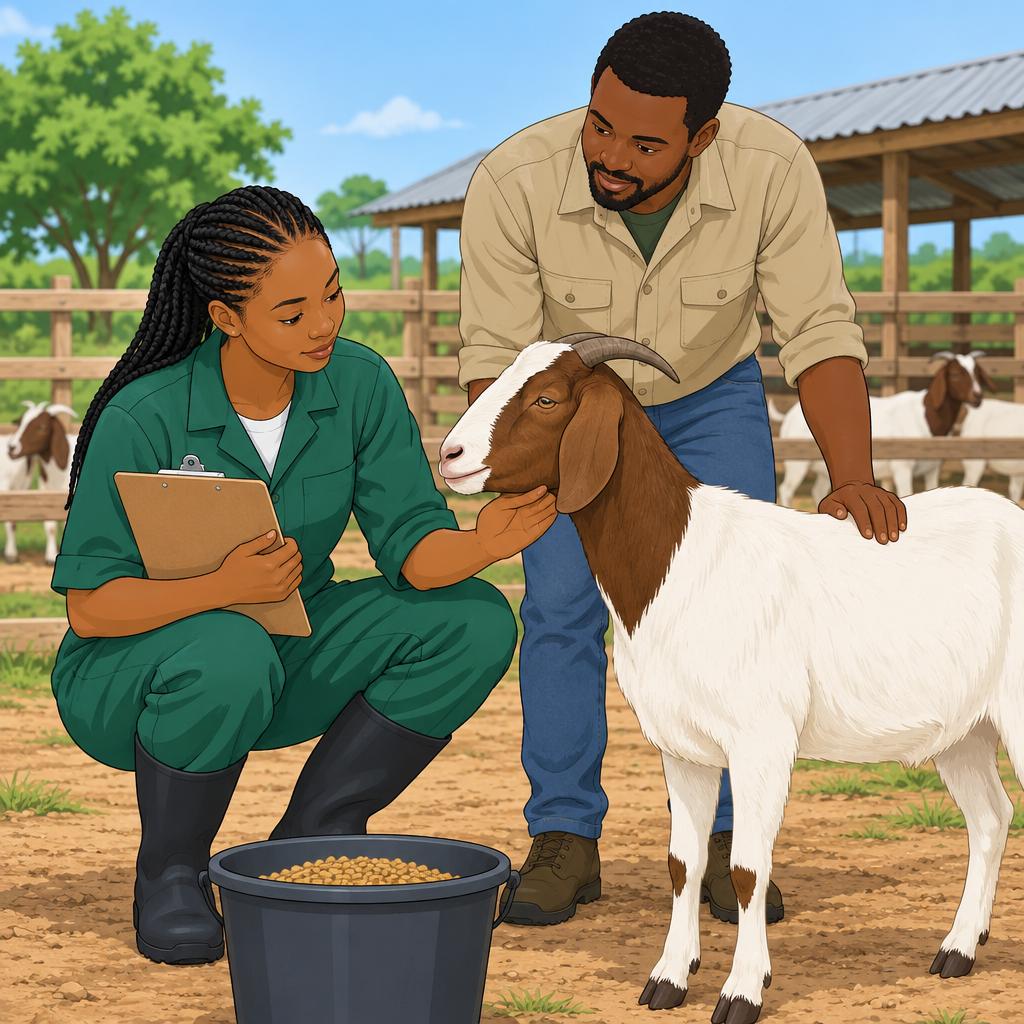
Collaborative Fieldwork Opportunities
- Students can engage in research projects, internships, and field trips.
- Collaborating with peers, mentors, and professionals builds practical experience.
- Successful collaborative fieldwork experiences in animal science education include:
- Working with local zoos to conduct research on animal behavior.
- Participating in veterinary clinics to learn about animal health and care.
- Assisting wildlife biologists in the field to study endangered species.
- Working with local zoos to conduct research on animal behavior.
Delve into the Subject: Common Challenges in Studying Applied Biology in Nigeria
Integration of Fieldwork with Classroom Learning
- Fieldwork complements classroom learning by providing hands-on experience.
- Students can see theoretical concepts in action during fieldwork activities.
- Additionally, fieldwork reinforces understanding of complex topics through practical applications.
Connecting Theoretical Knowledge with Practical Applications
- Fieldwork bridges the gap between classroom theory and real-world scenarios.
- Moreover, hands-on experience enhances retention and application of theoretical concepts.
- Students gain a deeper understanding of subject matter through fieldwork experiences.
Strategies for Integrating Fieldwork into the Curriculum
- Educators should include fieldwork as a regular component of the course structure.
- They should design fieldwork activities that align with learning objectives and course content.
- Furthermore, educators should provide proper guidance and supervision during fieldwork experiences.
- Students should reflect on fieldwork experiences and connect them to classroom learning.
- Educators can also use fieldwork to support knowledge application and skill development.
Integrating fieldwork with classroom learning strengthens students’ understanding, application, and retention of theoretical knowledge.
Educators play a vital role in incorporating fieldwork into the curriculum effectively.
This approach provides students with well-rounded educational experiences.
Discover More: Scholarships for Geophysics Students in Nigeria
Impact of Fieldwork on Professional Development
Fieldwork experiences help animal science students prepare for professional careers.
These experiences develop practical skills, industry knowledge, and workplace readiness.
They also help students connect academic learning with future professional responsibilities.
How Fieldwork Shapes Career Paths
Fieldwork exposes students to animal care, research, and management.
This exposure helps students recognize their interests within animal science.
As a result, students develop clearer ideas about potential career paths.
- Hands-on learning opportunities influence students’ career decisions.
- Exposure to animal science areas helps students identify professional interests.
- Fieldwork helps students understand possible career directions.
Enhancing Job Readiness and Practical Skills
Fieldwork develops practical abilities that students need in the workplace.
Students handle, feed, and care for animals during hands-on activities.
They also conduct research and collect data through direct experience.
- Fieldwork strengthens practical workplace skills.
- Animal care activities teach students responsible handling practices.
- Research tasks help students practice data collection.
Industry Knowledge and Professional Perspectives
Animal science professionals recognize fieldwork as valuable career preparation.
Many professionals connect their success with hands-on learning experiences.
They emphasize practical skills and industry knowledge as important professional foundations.
- Professionals credit hands-on learning with supporting career development.
- Practical skills remain important across animal science careers.
- Industry knowledge strengthens students’ preparation for professional work.
Preparing Future Animal Science Professionals
Fieldwork gives students experience that supports their professional development.
It strengthens job readiness while helping students understand workplace expectations.
These opportunities prepare future professionals for animal science and related fields.
Fieldwork’s Role in Animal Science Education
Fieldwork strengthens animal science education by giving students practical experiences that clarify theoretical concepts.
Moreover, hands-on learning develops critical thinking, problem-solving, and communication skills for success in the animal science industry.
Therefore, educators should prioritize fieldwork opportunities, equipping students with theoretical knowledge and practical experience for their careers.
Additional Resources
Google search results for Fieldwork Experiences in Animal Science Education Sciences
Bing search results for Fieldwork Experiences in Animal Science Education Sciences


