




Veterinary Technicians in Nigerian Practices
Veterinary technicians assist veterinarians with various tasks in Nigerian practices.
These trained professionals support patient care, diagnostics, and surgical procedures.
Furthermore, technicians help maintain smooth operations in veterinary clinics and hospitals.
They work closely with veterinarians to protect animal well-being and provide quality care.
Additionally, they handle appointments and assist during surgical procedures.
Their knowledge and skills contribute to successful veterinary practices across Nigeria.
Without their expertise, veterinarians would face challenges delivering effective animal healthcare services.
Responsibilities of Veterinary Technicians
Veterinary technicians support animal care in Nigerian veterinary practices.
They work under veterinarians’ supervision while performing several essential duties.
Their responsibilities include surgical assistance, recovery monitoring, medication administration, and laboratory testing.
- Assisting veterinarians in surgeries and procedures
- Monitoring and caring for animals after surgery
- Administering prescribed medications
- Conducting laboratory tests
Assisting With Surgeries and Procedures
Veterinary technicians assist veterinarians during surgeries and other medical procedures.
They prepare sterile environments and arrange the equipment required for each procedure.
During surgery, they pass instruments, help suture wounds, and monitor vital signs.
Providing Post-Surgery Care
After surgery, veterinary technicians monitor animals throughout the recovery period.
They watch for complications and provide prescribed pain management medications when necessary.
They also keep recovering animals comfortable and safe during this important stage.
Administering Prescribed Medications
Veterinary technicians administer medications according to the veterinarian’s instructions.
They measure each medication accurately and give it to the animal as prescribed.
They monitor treatment responses and report adverse reactions or side effects promptly.
Conducting Laboratory Tests
Veterinary technicians conduct laboratory tests that help veterinarians diagnose and monitor animal health conditions.
They collect blood, urine, and fecal samples for laboratory examination.
They perform blood chemistry analyses and microscopic examinations, then provide accurate results to veterinarians.
These responsibilities help veterinary technicians support effective animal care in Nigerian veterinary practices.
Training and Certification Process
Becoming a veterinary technician in Nigeria requires formal education, certification, licensing, and continuous professional development.
Recognized institutions provide essential academic instruction and practical training for aspiring veterinary technicians.
These requirements help technicians develop knowledge and skills for supporting animal care.
- Educational requirements for becoming a veterinary technician
- Certification exams and licensing
- Continuous education and training for current best practices
Educational Requirements for Becoming a Veterinary Technician
Aspiring veterinary technicians in Nigeria typically complete a formal program at a recognized institution.
The curriculum usually covers animal anatomy, physiology, veterinary pharmacology, laboratory procedures, and surgical techniques.
Additionally, internships or clinical rotations provide practical experience and help students develop workplace skills.
Certification Exams and Licensing
After completing their education, aspiring technicians must pass a certification examination.
The examination evaluates their knowledge and competency in veterinary technician practice.
In Nigeria, the Veterinary Council of Nigeria administers examinations and grants licenses to qualified individuals.
A license allows veterinary technicians to practice legally and provide care to animals.
Continuous Education and Professional Development
Veterinary technicians must continue learning throughout their professional careers.
Workshops, seminars, conferences, and advanced certifications can support ongoing education.
These activities help technicians follow developments in veterinary medicine, technology, and best practices.
Continued training also strengthens their skills and supports high-quality animal care.
Learn More: Nigerian Kids' Dental Health During Festivities
Veterinary technicians in Nigerian practices face several challenges during their daily work.
These difficulties can affect their well-being and the quality of animal care.
Transform Your Career with Expert Guidance
Get personalized mentorship consulting that’s tailored to your unique path. Our expert advice is actionable and exclusive.
Get StartedStakeholders must address these concerns to strengthen support for these professionals.
Limited Resources and Equipment
Many practices provide technicians with limited resources and equipment.
As a result, technicians may struggle to deliver the best possible care for animal patients.
This shortage can affect access to basic supplies and advanced diagnostic equipment.
- Veterinary technicians often work with limited resources in Nigerian practices.
- Insufficient equipment can make animal care more difficult.
- Limited supplies can restrict access to essential medical services.
Government Recognition and Support
Government recognition and support remain another major challenge for veterinary technicians in Nigeria.
Although technicians support animal health and welfare, they often receive insufficient recognition.
Consequently, limited government support can affect the quality of care they provide.
- Veterinary technicians often lack adequate government recognition.
- They may not receive the support their work requires.
- Insufficient support can weaken veterinary care services.
Work-Related Stress and Long Hours
Veterinary technicians also manage work-related stress and long hours.
The demanding nature of their duties often limits their opportunities for breaks.
Over time, these pressures can contribute to burnout and affect their quality of care.
- Technicians may work long hours with limited breaks.
- Demanding duties can increase workplace stress.
- High stress levels can affect technician well-being and patient care.
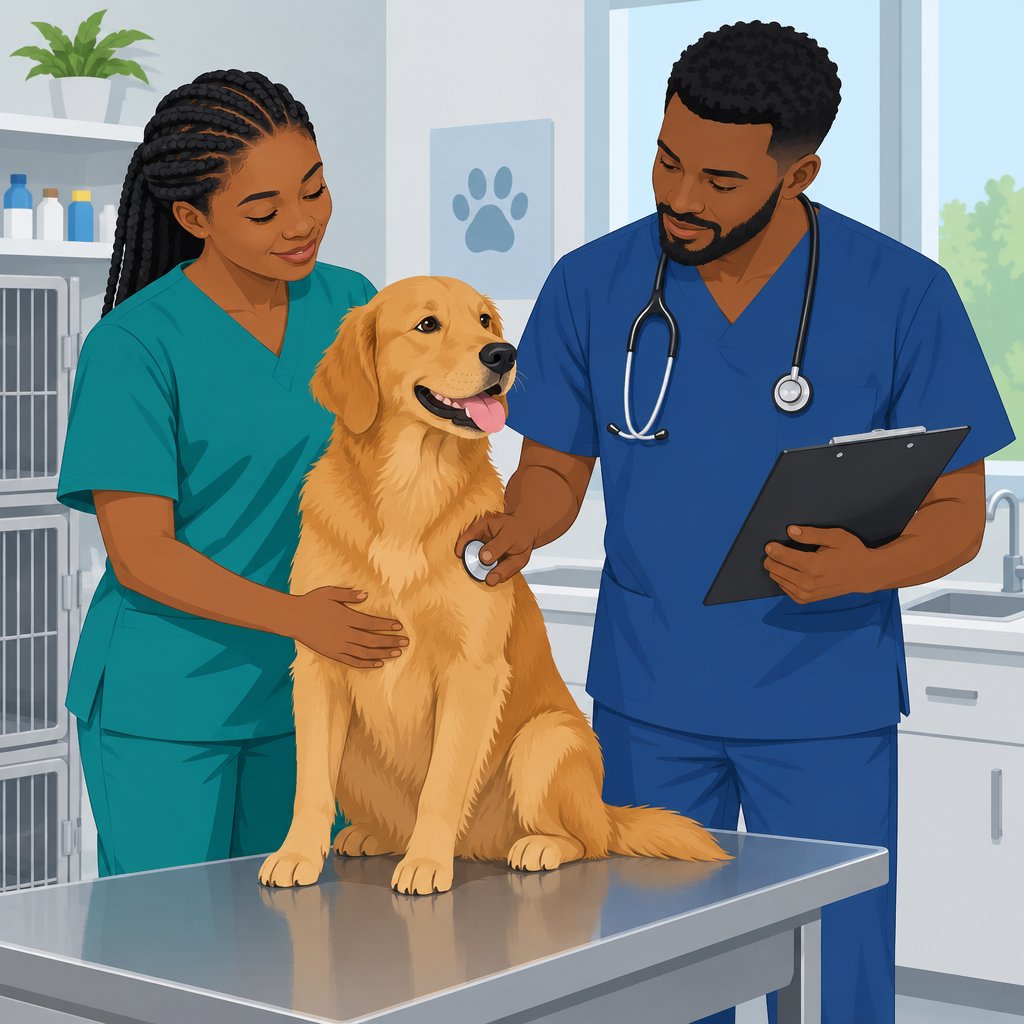
Strengthening Support for Veterinary Technicians
Addressing resource shortages can help technicians provide stronger animal care.
Government recognition can also improve support for these important professionals.
Better working conditions may reduce stress and help technicians sustain quality care.
Learn More: Understanding the Nigerian Medical School Accreditation
Veterinary technicians play an important role in Nigerian practices.
Their work supports animal health through care, disease prevention, and owner education.
These contributions help practices provide consistent support for animals.
Improving Animal Care Quality
They assist veterinarians while supporting comprehensive medical care for animals.
They monitor patients before and after procedures to promote attentive care.
They also handle medications and perform laboratory tests that support diagnosis and treatment.
- Assisting veterinarians with comprehensive medical care
- Monitoring and caring for animals before and after procedures
- Ensuring proper handling and administration of medications
- Performing laboratory tests that support diagnosis and treatment
Preventing Diseases Through Vaccination
Vaccination protects animals from common diseases and supports stronger disease control.
Technicians administer vaccines and explain vaccination schedules to pet owners.
They monitor infectious disease signs and collaborate with veterinarians on prevention strategies.
- Administering vaccines that protect animals from common diseases
- Advising pet owners about important vaccination schedules
- Monitoring signs of infectious diseases and taking appropriate action
- Collaborating with veterinarians on disease prevention strategies
Educating Pet Owners About Animal Welfare
Technicians help owners understand nutrition, exercise, grooming, and parasite control.
They explain how owners can recognize signs of illness or injury.
Their guidance encourages responsible ownership and supports animal welfare within the community.
- Providing guidance about nutrition and exercise for healthy pets
- Teaching owners to recognize signs of illness or injury
- Offering advice about grooming, parasite control, and wellness
- Encouraging responsible ownership practices within the community
These roles strengthen the health and welfare support available to animals in Nigerian practices.
Veterinary technicians help create healthier and happier environments for pets across the country.
Uncover the Details: Professional Bodies for Radiographers in Nigeria
Collaboration with Veterinarians and Other Professionals
- Working closely with veterinarians to provide comprehensive care
- Communicating effectively with pet owners and other staff members
- Collaborating with animal behaviorists and nutritionists
Veterinary technicians collaborate with veterinarians to coordinate comprehensive care for animals.
Therefore, this teamwork helps practices address animal needs through coordinated professional support.
Technicians also communicate with pet owners about health information, treatment plans, and post-treatment care.
Additionally, they coordinate with staff members to support smooth practice operations.
Furthermore, technicians work with animal behaviorists to address behavioral challenges.
Together, these professionals develop strategies that support animal well-being.
They also consult nutritionists about suitable diets and nutritional support.
This collaboration helps technicians support animals’ health through appropriate nutritional care.
Find Out More: Requirements to Study Anaesthesiology in Nigeria
Strengthening Recognition and Investment in Veterinary Technicians
Nigerian practices can improve animal healthcare by recognizing veterinary technicians’ vital contributions.
These professionals help veterinarians deliver consistent care to animals.
Moreover, practices should acknowledge their dedication and important contributions to successful veterinary services.
Recognition can encourage stronger support for their daily work.
Investment in training and development can expand their skills and knowledge.
Consequently, well-prepared technicians can deliver higher-quality care to animals across the country.
Additional Resources
Google search results for Role of Veterinary Technicians in Nigerian Practices Medical
Bing search results for Role of Veterinary Technicians in Nigerian Practices Medical


