




Introduction
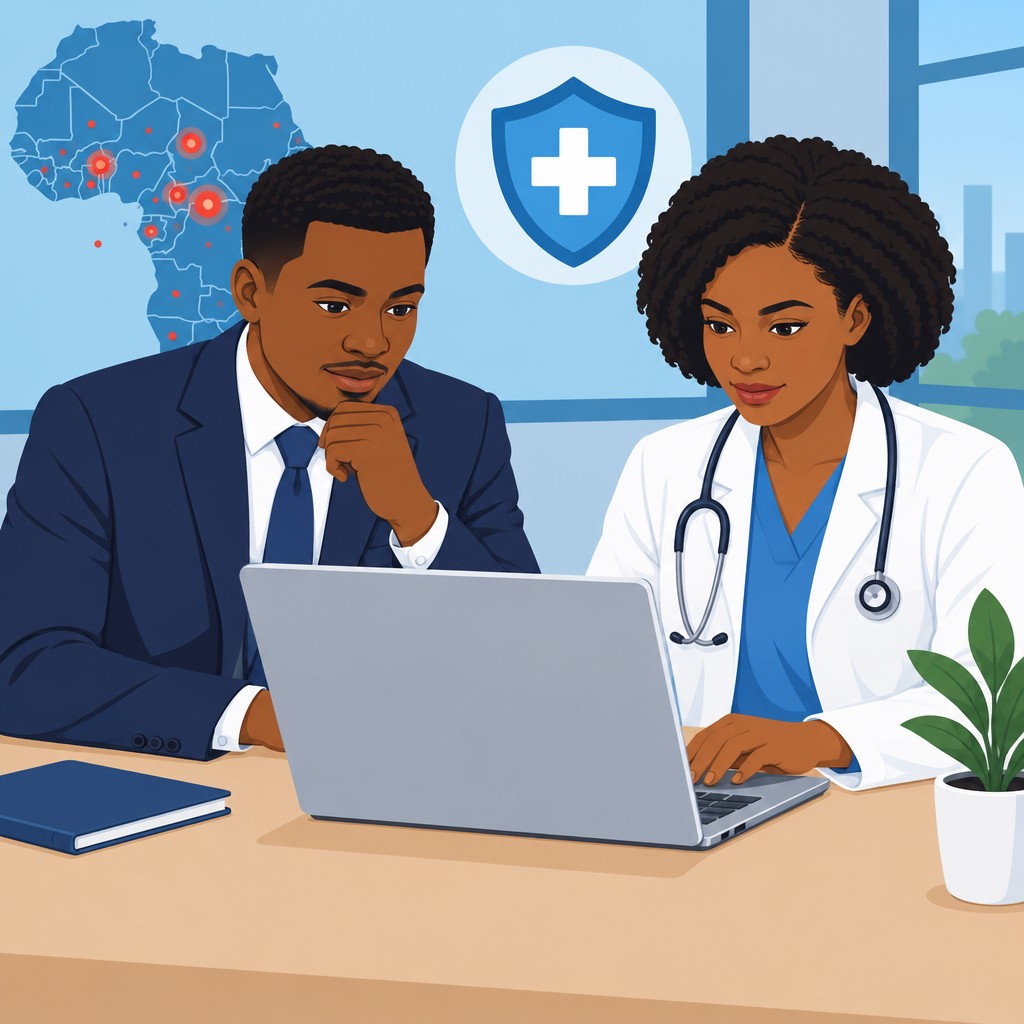
Public health technology plays a crucial role in combating diseases.
It improves healthcare outcomes globally through advanced technological tools and innovations.
These innovations have revolutionized disease diagnosis, treatment, and prevention.
The Role of Data Analytics in Disease Prevention
Data analytics provides valuable insights into disease patterns and supports prevention efforts.
It tracks disease spread by examining demographics, geographic locations, and reported symptoms.
Moreover, timely analysis helps officials identify hotspots and take proactive containment measures.
Without analytics, health officials would struggle to understand disease transmission and respond effectively.
Real-time monitoring also supports quick decisions that can reduce disease impact.
How Data Analytics Helps Track Disease Patterns
Data analytics combines information from multiple sources to reveal disease transmission trends.
Authorities can detect outbreaks early by examining electronic health records and social media.
Furthermore, predictive models estimate how diseases may spread under different conditions.
Officials can then allocate resources and target interventions more effectively.
The Importance of Timely Data Analysis in Outbreak Response
Timely analysis helps officials identify affected areas and populations during an outbreak.
Real-time findings allow public health teams to deploy resources quickly.
Early detection supports prompt control measures that can limit wider transmission.
Additionally, analysis gives decision-makers information for improving response strategies.
Data analytics therefore supports proactive prevention and effective outbreak containment.
Telemedicine and Its Impact on Public Health
- Telemedicine allows patients to consult with doctors remotely.
- It eliminates the need to travel for medical care.
- Patients can receive medical advice through phone calls or video conferences.
- Additionally, telemedicine reduces wait times for appointments.
- It also improves healthcare access for people in rural or remote areas.
How Telemedicine Enhances Healthcare Access
- Telemedicine connects patients with healthcare providers from anywhere.
- It allows patients to access specialists who may not work locally.
- Patients can receive timely medical advice without visiting a physical clinic.
- Furthermore, telemedicine enables remote monitoring for patients with chronic conditions.
- It promotes early intervention and preventive care.
Telemedicine in Remote Areas
- Telemedicine bridges healthcare access gaps in remote communities.
- It provides immediate medical support during emergencies.
- Remote areas can access specialized medical care through telemedicine.
- Moreover, telemedicine reduces pressure on healthcare facilities in urban centers.
- It improves health outcomes in underserved areas.
You Might Also Like: Public Health Tech and Nigeria's Healthcare System
Public Health Technology and Disease Management
Public health technology supports disease management through real-time health information.
Wearable devices provide continuous access to vital signs and other health metrics.
They also help patients and physicians respond to changing health conditions.
Wearable Technology for Disease Management
Wearable devices monitor health conditions in real time.
They track vital signs and other health metrics continuously.
Additionally, real-time feedback encourages patients to participate actively in their healthcare.
- Constant Monitoring: Wearable technology tracks vital signs and other health metrics continuously.
- Early Detection: These devices identify health abnormalities or changes promptly.
- Remote Monitoring: Physicians monitor patients remotely and support disease management in real time.
- Improved Patient Engagement: Real-time feedback encourages patients to manage their health actively.
Benefits of Wearable Technology in Chronic Disease Management
Wearable technology offers several benefits for chronic disease management.
These devices collect individualized information that supports personalized treatment plans.
Furthermore, patients can share health data with healthcare providers for better insights.
- Personalized Care: Wearable devices collect individualized data for personalized treatment plans.
- Medication Adherence: Reminders and alerts can help patients follow medication schedules.
- Health Tracking: Patients track their progress and share data with healthcare providers.
- Preventive Measures: Early warning signs help patients respond before diseases worsen.
Overall, wearable technology strengthens disease management through continuous monitoring and timely information.
Healthcare professionals can use remote data to support more personalized care.
Patients can also improve adherence, track progress, and recognize possible warning signs.
Delve into the Subject: Salary Expectations for Dietitians in Nigeria
The Role of Artificial Intelligence in Diagnosing Diseases
- AI algorithms can analyze medical images for accurate diagnosis.
- AI can predict disease outbreaks through data analysis.
Artificial intelligence is revolutionizing public health through earlier disease diagnosis and prediction.
AI algorithms can analyze medical images with a high level of accuracy.
Therefore, healthcare providers can make faster and more efficient diagnostic decisions.
AI Analysis of Medical Images
AI algorithms learn from large collections of medical images.
They detect patterns and abnormalities that may indicate various diseases.
Additionally, AI compares new images with databases of known cases.
This process gives healthcare providers valuable insights for more accurate diagnoses.
For example, AI can examine images of moles or lesions for melanoma-related features.
Dermatologists can then decide more quickly whether a biopsy may be necessary.
Transform Your Career with Expert Guidance
Get personalized mentorship consulting that’s tailored to your unique path. Our expert advice is actionable and exclusive.
Get StartedThis support can improve decisions and patient outcomes.
AI-Based Prediction of Disease Outbreaks
AI can process information from social media, weather patterns, and healthcare records.
It analyzes these sources to estimate the likelihood of disease outbreaks.
Moreover, real-time analysis can help officials respond before diseases spread widely.
AI can examine symptom-related searches to identify potential areas of disease activity.
Public health officials can use these insights to allocate resources effectively.
They can also implement targeted interventions in areas at greater risk.
AI therefore supports more accurate diagnosis and proactive disease prevention.
Its applications can strengthen healthcare responses for individuals worldwide.
Find Out More: Challenges Facing Medical Biochemistry in Nigeria
Mobile Health Apps for Disease Prevention and Management
- Mobile health apps support disease prevention and management through convenient digital health tools.
- They promote healthy habits by giving users practical ways to monitor daily health activities.
- Moreover, users can access health information and resources whenever they need them.
- Users can track exercise, diet, and other health metrics within one app.
Benefits for Healthy Lifestyles
- These tools help users manage health goals more consistently.
- Personalized recommendations and tips can guide users toward improved well-being.
- Users can set goals, monitor progress, and receive reminders that support accountability.
- Additionally, social features connect users with others for encouragement and motivation.
Monitoring Chronic Conditions and Medication Adherence
- For people with chronic conditions, these apps help monitor symptoms and daily health information.
- Medication schedules, reminders, and refill notifications can support adherence.
- Users can also record vital signs, including blood pressure and glucose levels.
- With timely data and insights, users can take a more active role in managing health.
See Related Content: Requirements for Studying Medical Lab Science in Nigeria
Long-Term Value of Public Health Technology
Public health technology strengthens surveillance, diagnosis, and treatment across disease response efforts.
Moreover, digital tools and connected systems have changed how health professionals address prevention challenges.
These advances help healthcare systems work more efficiently and effectively across different settings.
Community Benefits of Public Health Technology
Technology helps health teams detect outbreaks early, respond quickly, and protect more lives.
Furthermore, wearables and predictive tools support personalized, proactive care for individuals.
It also connects stakeholders, expands health education, and helps communities make informed health decisions.
Research Priorities for Health Technology
Current and emerging health threats require continued research and development.
Interdisciplinary collaboration and digital infrastructure can strengthen future public health initiatives.
Therefore, policymakers, healthcare professionals, and technology experts should collaborate toward healthier future generations.
Additional Resources
Google search results for Public Health Tech and the Fight Against Diseases Health Sciences
Bing search results for Public Health Tech and the Fight Against Diseases Health Sciences


