




Physiotherapy for Sports Injuries in Nigeria
In Nigeria, physiotherapy supports recovery and rehabilitation for people with sports injuries.
It helps injured athletes restore movement and function while pursuing peak performance.
Physiotherapists combine exercises, manual therapy, and other techniques for each injury.
These trained professionals develop personalized treatment plans with athletes.
They manage pain, improve mobility, and help prevent further injuries through targeted interventions.
Additionally, physiotherapy supports faster healing and reduces the risk of long-term damage.
Through treatment, athletes regain strength, flexibility, and endurance for a safe return to sport.
Physiotherapists also teach injury prevention strategies that help athletes remain healthy.
Consequently, physiotherapy remains an important part of sports medicine in Nigeria.
Common Sports Injuries in Nigeria
Concussions: Concussions commonly affect athletes in Nigerian contact sports, including football and boxing.
A sudden impact or blow can cause the brain to strike the skull.
Sprains and strains: Sprains stretch or tear ligaments, while strains affect muscles or tendons.
These injuries often occur during sports requiring extensive running or jumping.
Basketball and track and field can place athletes at risk.
Fractures: Fractures involve broken bones and can result from falls, collisions, or overuse.
High-impact activities may cause fractures in the arms, legs, or other body areas.
Dislocations: Dislocations occur when a bone leaves its normal position within a joint.
Rugby and wrestling can cause these injuries through sudden, forceful movements.
Treatment Options for Sports Injuries in Nigeria
Physiotherapy: Physiotherapy supports treatment and rehabilitation after sports injuries.
Physiotherapists may use manual therapy, prescribed exercises, ultrasound, or electrical stimulation.
Rest and ice: Rest and ice form part of the R.I.C.E. approach for managing sports injuries.
Athletes should rest the injured area and apply ice for 15 to 20 minutes.
They should repeat ice applications every few hours when needed.
Keeping an injured limb elevated can also reduce swelling.
Immobilization: Fractures and dislocations may require splints, braces, or casts.
These devices stabilize the injury and support healing.
Athletes should follow healthcare providers’ instructions about immobilization and rehabilitation exercises.
Surgery: Severe injuries may require surgery to repair damaged tissues.
Surgeons may repair torn ligaments or fractured bones when necessary.
Athletes should consult qualified orthopedic surgeons about suitable treatment options.
Preventing Sports Injuries in Nigeria
Warm-up and cool-down: Athletes should warm up before sports activities.
Warm-up exercises prepare muscles and may reduce injury risks.
A cool-down session can help prevent muscle stiffness and soreness.
Proper equipment: Protective gear can help prevent injuries during football, basketball, or cycling.
Helmets, pads, and braces provide examples of useful protective equipment.
Athletes should check that their equipment fits properly and remains in good condition.
Cross-training: Cross-training combines different sports or activities to build strength and flexibility.
Athletes can reduce overuse injury risks by varying their training activities.
Cross-training may also support performance in an athlete’s primary sport.
Listen to your body: Athletes should notice pain, discomfort, or fatigue during training and competition.
Transform Your Career with Expert Guidance
Get personalized mentorship consulting that’s tailored to your unique path. Our expert advice is actionable and exclusive.
Get StartedIgnoring these warning signs can cause more serious injuries.
Athletes should rest and seek medical attention when necessary.
Athletes in Nigeria can reduce risks by understanding common injuries and seeking appropriate treatment.
They can also stay healthy by following preventive measures.
Physiotherapy supports recovery and helps athletes return to peak performance.
Athletes should prioritize safety and proper training techniques.
Role of a Physiotherapist in Sports Injury Rehabilitation
A physiotherapist helps athletes recover from sports injuries and regain their performance level.
They assess injuries, create treatment plans, and monitor recovery throughout rehabilitation.
Together, these responsibilities guide athletes through a structured recovery process.
- Assessment of the injury
- Designing a personalized treatment plan
- Monitoring progress and making adjustments as needed
Assessment of the Injury
First, the physiotherapist evaluates the athlete’s injury carefully.
This evaluation helps determine the injury’s severity and identify underlying issues.
The findings provide a foundation for planning appropriate rehabilitation activities.
Personalized Treatment Planning
After assessing the injury, the physiotherapist develops a treatment plan for the athlete.
The plan includes specific exercises, stretches, and other rehabilitation interventions.
These activities help the athlete rebuild strength and improve flexibility.
Progress Monitoring During Rehabilitation
Throughout rehabilitation, the physiotherapist tracks the athlete’s progress closely.
They monitor changes in strength, range of motion, and pain levels.
Based on these changes, they adjust the treatment plan when necessary.
This approach helps athletes continue progressing toward full recovery.
Ultimately, physiotherapists help injured athletes return to their sport safely and effectively.
Learn More: Continuing Education for Nigerian Dental Technologists
Physiotherapy Techniques for Sports Injury Recovery
Physiotherapy combines several techniques to help athletes recover from sports injuries.
These methods address pain, movement, strength, and muscle function during rehabilitation.
Together, they support a safe return to peak performance.
Manual Therapy for Movement and Pain Relief
Manual therapy uses hands-on techniques to ease pain, improve range of motion, and restore function.
For example, joint mobilizations and soft tissue massage can address restricted movement.
These techniques also help athletes regain proper movement patterns and reduce muscle tension.
Rehabilitation Exercises for Strength and Stability
Rehabilitation exercises provide customized programs for each athlete’s recovery needs.
They may include strength training, flexibility exercises, and balance drills.
Consequently, athletes rebuild muscle strength, improve joint stability, and enhance conditioning.
Electrical Stimulation for Muscle Function
Electrical stimulation uses mild electrical currents to stimulate muscles.
It can reduce pain, improve muscle contractions, and limit muscle atrophy.
This approach benefits athletes recovering from surgery or prolonged inactivity.
Ultrasound Therapy for Tissue Healing
Ultrasound therapy uses high-frequency sound waves to support tissue healing.
The treatment can reduce inflammation and improve blood flow around injured areas.
As a non-invasive method, it may promote healing and help alleviate pain.
Coordinated Care for a Safe Return to Sport
Physiotherapists combine techniques to provide comprehensive care during recovery.
They select methods according to each athlete’s injury and recovery needs.
Athletes should work closely with their physiotherapist throughout rehabilitation.
This comprehensive approach helps athletes return to sport safely and reduce re-injury risk.
You Might Also Like: Mental Health Rehabilitation Services Nigeria
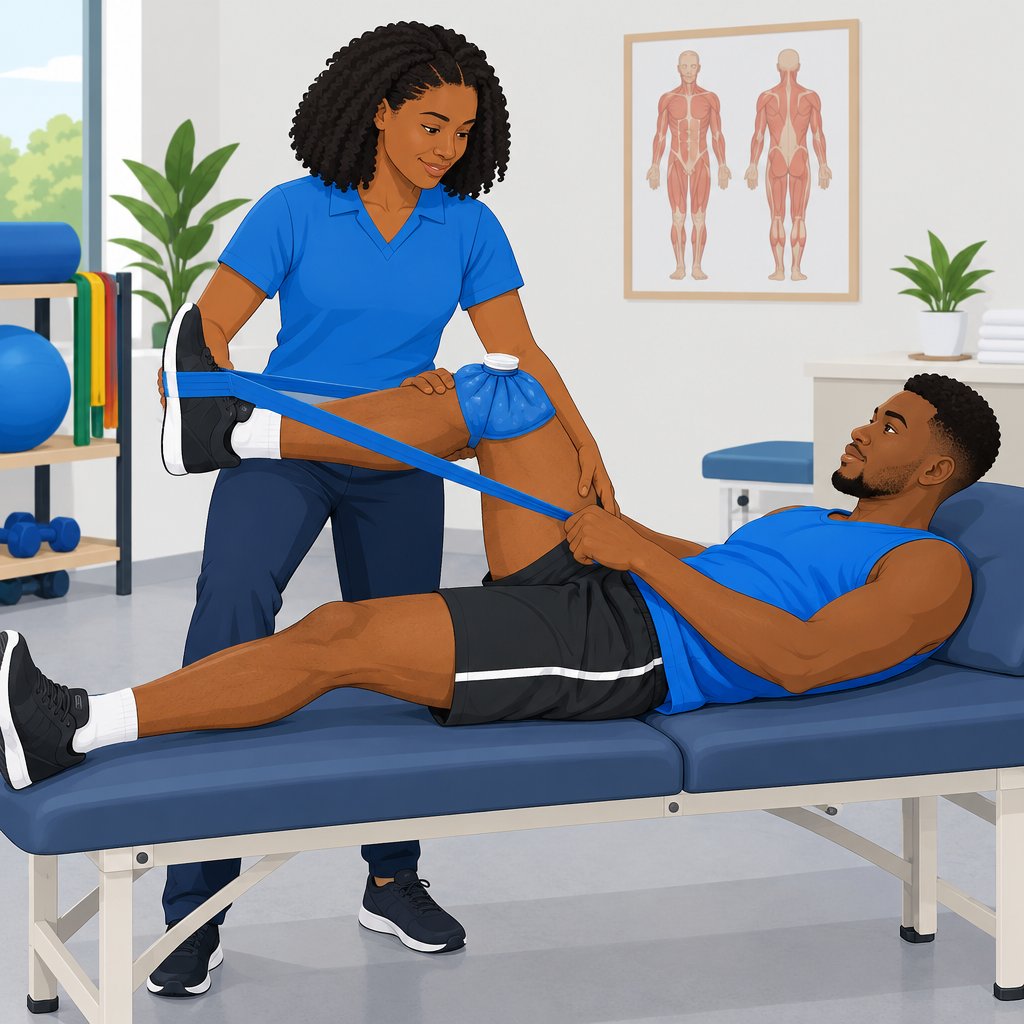
Challenges Faced by Physiotherapists in Nigeria
Limited Access to Advanced Equipment: Physiotherapists in Nigeria often struggle with inadequate resources and modern equipment for diagnosis and treatment.
Limited Public Awareness: Many Nigerians lack information about physiotherapy’s benefits for recovering from sports injuries.
Financial Constraints: Economic challenges make physiotherapy sessions and long-term rehabilitation plans difficult for some patients to afford.
These challenges hinder physiotherapy’s effectiveness in Nigeria.
However, increased support and awareness can help overcome these obstacles and improve patient care and outcomes.
Delve into the Subject: Medical Rehabilitation for Injured Athletes Nigeria
Success Stories of Athletes Benefiting from Physiotherapy in Nigeria
Physiotherapy has supported many Nigerian athletes during injury recovery and performance maintenance.
These athletes describe how physiotherapy helped them return to training and competition.
Their experiences highlight physiotherapy’s important place in sports medicine.
Professional Athlete Testimonials
Professional athletes have shared positive experiences with physiotherapy after sustaining sports injuries.
Physiotherapists helped these athletes manage recovery and resume sporting activities.
Furthermore, athletes credit physiotherapy with supporting their physical readiness.
Visible Improvements During Rehabilitation
Before-and-after photos can illustrate athletes’ progress during physiotherapy.
These images can show changes in movement, strength, and physical function.
Visual evidence therefore helps audiences understand rehabilitation progress.
Performance and Sporting Career Longevity
Physiotherapy addresses more than injury treatment.
It also supports performance improvement and helps athletes remain active longer.
Many Nigerian athletes associate physiotherapy with stronger performance and extended sporting careers.
Athlete Experiences with Physiotherapy
Several Nigerian athletes have described physiotherapy’s role in their sporting journeys.
Their stories show how rehabilitation can support recovery, fitness, and continued participation.
Each experience reflects the value of professional support during demanding careers.
Blessing Okagbare-Ighoteguonor
Blessing Okagbare-Ighoteguonor is a Nigerian sprinter and long jumper.
She benefited from physiotherapy throughout her sporting career.
She praised her physiotherapist for supporting quick injury recovery and peak performance.
Asisat Oshoala
Asisat Oshoala is a professional footballer who represents the Nigerian national team.
She experienced positive results from physiotherapy during her career.
She credits physiotherapy with helping her stay fit and avoid injuries.
Consequently, that support contributed to her success on the field.
Kanu Nwankwo
Kanu Nwankwo is a retired Nigerian footballer and former national team captain.
After major heart surgery, he used physiotherapy during rehabilitation.
That rehabilitation supported his return to professional football.
Physiotherapy’s Value in Nigerian Sports
These athlete experiences demonstrate physiotherapy’s importance within Nigerian sports medicine.
Physiotherapy helps athletes recover from injuries and regain physical capability.
It also supports performance and encourages longer participation in sport.
Professional athletes across Nigeria continue to rely on physiotherapy during their sporting careers.
Uncover the Details: Infant and Child Mortality Rates in Nigeria
Importance of Rehabilitation and Prevention
Educating athletes about prevention techniques helps reduce their risk of sports injuries.
Additionally, long-term treatment plans with physiotherapists can help prevent recurring injuries.
Regular physiotherapy check-ups also help athletes monitor progress and avoid future injuries.
Post-Injury Rehabilitation
After a sports injury, rehabilitation supports an athlete’s recovery.
It combines exercises, treatments, and techniques that restore function and reduce pain.
Consequently, athletes can rebuild strength, flexibility, and endurance before returning safely to sport.
Physiotherapists assess each athlete’s condition and create personalized rehabilitation plans.
They may use manual therapy, prescribed exercises, and electrotherapy during recovery.
These methods help athletes progress efficiently while supporting their physical recovery.
Prevention Strategies for Athletes
Preventing sports injuries remains better than treating them after they occur.
Therefore, athletes should include warm-up and cool-down routines in their training.
They should also practice strength training, flexibility exercises, and sport-specific techniques.
These practices can reduce injury risks during sports activities.
Physiotherapists can develop long-term plans that support prevention and athletic performance.
Such plans may include exercise adjustments that help prevent recurring injuries.
Regular Physiotherapy Check-Ups
Regular physiotherapy check-ups help athletes maintain physical health during demanding sports participation.
During these appointments, physiotherapists assess conditions and identify underlying concerns.
They can also review training programs and recommend suitable prevention measures.
By attending consistently, athletes can monitor their progress and address problems early.
This proactive approach supports safe participation and sustained athletic performance.
Regular guidance also helps athletes manage their sports injury recovery more effectively.
Supporting Safe Sports Injury Recovery
Physiotherapy plays a crucial role in treating sports injuries effectively in Nigeria.
Therefore, athletes must prioritize their physical well-being during recovery.
Proper rehabilitation and preventive measures help athletes reduce the risk of re-injury.
Additional Resources
Google search results for Physiotherapy for Sports Injuries: Nigerian Guide Medical
Bing search results for Physiotherapy for Sports Injuries: Nigerian Guide Medical


