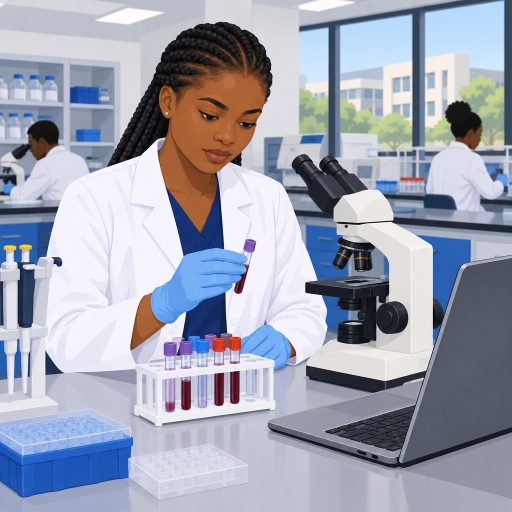
Oral biology examines the structure, development, and function of the oral cavity.
It supports effective dental practice in Nigeria.
Therefore, dental professionals need this knowledge to provide quality patient care.
Role of Oral Biology in Nigerian Dental Practice
Dental professionals apply oral biology when diagnosing oral health issues.
Additionally, this knowledge supports treatment plans tailored to individual patient needs.
It also helps dentists explain oral health conditions clearly to their patients.
- Oral biology helps dental professionals diagnose oral health issues accurately.
- It supports effective treatment planning for individual patient needs.
- Knowledge of oral biology strengthens preventive oral health education.
- Research in oral biology encourages advances in dental treatments and techniques.
- Dental professionals use it to improve patient understanding and treatment compliance.
Value of Oral Biology for Nigerian Dental Professionals
A strong foundation in oral biology improves clinical skills and treatment outcomes.
Moreover, it helps dental professionals address patient concerns effectively.
Continued learning keeps professionals current with developments in their field.
- Understanding oral biology enhances clinical skills and treatment outcomes.
- It enables dental professionals to provide high-quality patient care.
- Ongoing research supports professional development and current clinical knowledge.
- Oral biology highlights connections between oral health and overall health.
- A solid foundation in oral biology gives professionals a competitive advantage.
Consequently, oral biology influences diagnosis, treatment, prevention, research, and patient education.
It also supports professional development within Nigerian dental practice.
Dental professionals who value oral biology can contribute meaningfully to oral health advancement in Nigeria.
Oral Biology and Its Relevance to Dentistry
Oral biology studies the mouth, teeth, and other oral structures.
This field gives dentistry a deeper understanding of oral health.
Therefore, oral biology helps dentists diagnose and treat various oral diseases effectively.
Dental practice depends on knowledge of anatomy, physiology, and microbiology.
- Anatomy explains the structures of the mouth, teeth, and surrounding tissues.
- Physiology describes how oral structures function during normal conditions.
- Microbiology examines mouth microorganisms and supports effective oral infection management.
Oral Biology and Diagnostic Accuracy
Accurate diagnosis depends on understanding the biological processes within the oral cavity.
Dentists apply this knowledge when assessing oral health and recognizing unusual findings.
Consequently, biological knowledge supports earlier detection and more suitable treatment planning.
- Dentists use oral biology to identify abnormalities during clinical assessments.
- Knowledge of oral tissues helps dentists detect early signs of oral diseases.
- Biological understanding allows dentists to develop treatment plans for individual patients.
- Without this foundation, dentists may misdiagnose conditions or select unsuitable treatments.
- Dentists consider physiological processes when selecting appropriate care.
- Oral biology therefore supports sound decisions throughout dental practice.
Biological Knowledge for Recognizing Oral Conditions
Recognizing disease requires dentists to compare clinical findings with normal oral conditions.
They interpret symptoms within their biological context rather than considering isolated signs.
This approach helps dentists assess oral health comprehensively and identify subtle changes sooner.
- Dentists distinguish healthy findings from abnormalities by applying oral biology principles.
- They use this understanding to recognize cavities, gum diseases, and oral infections.
- Clinical symptoms become more meaningful when dentists interpret them through biological knowledge.
- Careful observation of oral changes can support earlier diagnosis.
- Comprehensive assessment enables dentists to evaluate multiple aspects of oral health.
- Accurate recognition of disease helps dentists provide appropriate care.
Oral Physiology in Treatment Planning
Oral physiology explains how tissues function and interact during normal activity.
Dentists use this understanding to investigate symptoms and identify contributing causes.
As a result, physiological knowledge guides targeted interventions and practical recommendations.
- Physiology helps dentists investigate causes of bad breath and tooth sensitivity.
- Understanding tissue behavior supports accurate diagnosis of oral health problems.
- Dentists use physiological information when recommending treatments.
- They consider oral processes when planning fillings and cleanings.
- Detailed physiological knowledge helps dentists deliver focused care.
- This knowledge improves the effectiveness of interventions for oral health issues.
Explore Further: Top Universities for Medical Biochemistry in Nigeria
Role of Oral Biology in Treatment Planning
Understanding oral biology helps dentists develop effective and personalized treatment plans.
Furthermore, dentists need knowledge of the oral cavity’s structure, function, and underlying mechanisms.
This knowledge supports care that reflects each patient’s needs.
Choosing Appropriate Treatment Options
With a strong foundation in oral biology, dentists can identify suitable treatment options for individual patients.
They consider each patient’s oral health history and current condition.
Additionally, dentists account for treatment preferences when planning care.
Explore Further: Scholarships for Pathology and Oral Biology Students
Oral biology provides essential knowledge for advancing dental research in Nigeria.
It helps researchers investigate biological processes that influence oral health and disease.
This knowledge supports research into improved treatments, technologies, and preventive strategies.
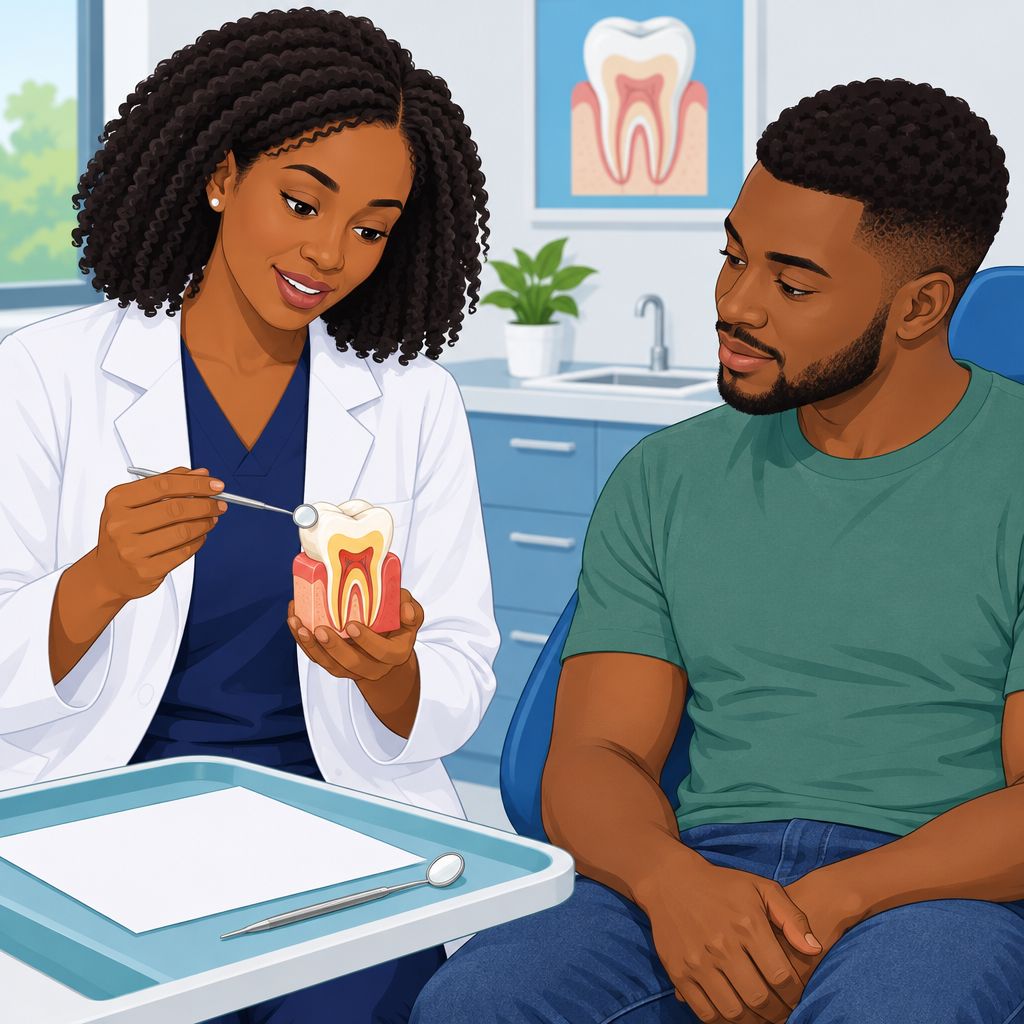
Importance of Oral Biology in Dental Research
Oral biology establishes a foundation for studying the complexities of the oral cavity.
Researchers examine how oral tissues develop, function, and respond to disease.
They also investigate biological factors that influence common oral conditions.
- Researchers study the biological mechanisms behind dental caries and periodontal disease.
- These investigations can support the development of targeted treatments.
- Genetics, microbiology, and immunology research can identify oral health risk factors.
- Researchers can use biological findings to develop preventive strategies.
- Oral biology research can contribute to improved tools for early disease detection.
- Studies of oral and systemic health can clarify connections between oral conditions and overall health.
- Biological research can support treatment approaches tailored to individual patient needs.
Patient Benefits of Oral Biology Research
Research findings can improve how dental professionals prevent and manage oral diseases.
Transform Your Career with Expert Guidance
Get personalized mentorship consulting that’s tailored to your unique path. Our expert advice is actionable and exclusive.
Get StartedThey can also guide the development of more precise and comfortable dental procedures.
Evidence from oral biology can strengthen dental care and improve patient outcomes.
- New discoveries can lead to additional treatment options for oral diseases.
- Innovative technologies can improve the accuracy and precision of dental procedures.
- Evidence-based practices can enhance patient outcomes and satisfaction.
- Biological knowledge can support preventive measures that reduce oral conditions.
- Patients may receive care based on genetic predispositions and individual oral health profiles.
- Research can encourage minimally invasive treatments that support comfort and recovery.
- Continued research can help elevate the quality of dental care in Nigeria.
Advancing Dental Care Through Oral Biology
Investigating oral biology can help researchers develop innovative dental treatments and technologies.
These advances can strengthen dental practices and improve oral health outcomes for patients.
Continued investment in oral biology research can support further progress in Nigerian dentistry.
See Related Content: Differences Between Medical Lab Science and Technology
Oral Biology Education in Nigerian Dental Schools
Oral biology education provides a foundation for dental education in Nigeria.
Therefore, schools must maintain strong teaching, resources, and faculty support.
These elements help students develop knowledge for effective dental practice.
Evaluating Oral Biology Education
Evaluating oral biology education requires attention to curriculum content, faculty expertise, and available resources.
Schools should keep course content comprehensive and current with developments in the field.
Faculty preparation and institutional support also influence students’ learning and research activities.
- Course content should remain comprehensive and reflect current developments in oral biology.
- Faculty members need teaching and knowledge development to strengthen oral biology instruction.
- Well-equipped laboratories, libraries, and research facilities support learning and research activities.
Importance of Oral Biology in Dental Education
Oral biology connects biological knowledge with dental education and patient care.
It explains relationships among oral tissues, overall health, and clinical conditions.
Consequently, students gain a stronger foundation for informed professional decisions.
- Students learn how oral tissues develop, function, and relate to overall health.
- Oral biology integrates biology, anatomy, physiology, and pathology within dental education.
- Understanding disease mechanisms helps students provide evidence-based care.
- Exposure to oral biology supports continuing education and future specialization.
Educational Priorities for Future Dental Professionals
Integrating oral biology supports a holistic approach to dental training.
It combines biological disciplines within a structured dental education.
Students can strengthen critical thinking and problem-solving through multidisciplinary study.
These educational priorities can strengthen dental education in Nigeria.
Students receive preparation that supports quality care for patients.
Continued attention to oral biology can encourage further education and specialization.
This approach can contribute to improved oral health outcomes in Nigeria.
Learn More: Importance of Chemical Pathology in Nigerian Medicine
Strengthening Dental Care Through Continued Learning
Oral biology remains essential to Nigerian dental practice.
It helps dentists diagnose and treat various dental conditions effectively.
Therefore, Nigerian dentists need a strong foundation in oral biology for optimal patient care.
Additionally, continued education and research help dentists track advances in dental care.
Consequently, updated research can strengthen diagnostic abilities and treatment strategies.
These improvements can support better oral health outcomes for patients in Nigeria.
Additional Resources
Google search results for Oral Biology: Importance in Nigerian Dental Practice Health Sciences
Bing search results for Oral Biology: Importance in Nigerian Dental Practice Health Sciences