




Child Vaccination Programs in Nigeria
Nigeria’s child health vaccination programs prevent diseases and strengthen public health.
Additionally, vaccines protect children from deadly diseases, including polio, measles, and hepatitis.
Meanwhile, current programs show significant progress in expanding immunization coverage.
History and Development of Vaccination Programs in Nigeria
Vaccination programs in Nigeria date back to the early twentieth century.
The Nigerian government officially launched the Expanded Program on Immunization in 1979.
The program sought to expand coverage and protect children from vaccine-preventable diseases.
Vaccines in the National Immunization Schedule
Nigeria’s schedule includes vaccines against polio, measles, tuberculosis, diphtheria, pertussis, tetanus, hepatitis B, and yellow fever.
Additionally, health authorities introduced rotavirus and pneumococcal vaccines to address childhood diarrhea and pneumonia.
These vaccines broaden protection against several serious childhood illnesses.
Immunization Coverage and Persistent Challenges
Despite ongoing efforts, Nigeria has not achieved full immunization for every child.
Rates differ by region, and urban areas generally report higher coverage than rural areas.
Supply chain problems, vaccine misinformation, and limited healthcare infrastructure continue to impede progress.
Strategies for Improving Child Vaccination Services
Nigeria can strengthen routine immunization by training healthcare workers and providing essential resources.
Regular outreach can reach underserved communities and explain vaccination’s importance.
Community partnerships can address misinformation among families and local populations.
- Strengthen routine immunization services through healthcare worker training and resource provision.
- Conduct regular outreach programs for underserved communities and promote vaccination awareness.
- Partner with community leaders and religious organizations to challenge vaccine myths and misconceptions.
- Use mobile vaccination clinics to reach nomadic populations and remote communities.
Future Priorities for Child Vaccination
These measures can help Nigeria improve vaccination access across underserved communities.
Targeted planning can address regional differences and persistent service barriers.
Stronger delivery systems can support healthier childhoods through broader immunization coverage.
Vaccination Benefits for Child Health
Vaccinations help children develop immunity against specific infectious diseases.
They reduce children’s risk of contracting illnesses such as polio, measles, hepatitis, and diphtheria.
Furthermore, widespread vaccination can support disease eradication within communities and globally.
- Vaccinations help prevent diseases such as polio, measles, hepatitis, and diphtheria.
- Vaccinated children develop immunity to specific diseases, reducing their risk of contracting them.
- Vaccinations can also support the eradication of certain diseases in communities and globally.
Vaccination Effects on Child Mortality and Morbidity
Vaccination programs significantly reduce child mortality rates globally.
Vaccinated children face lower risks of severe illness or complications from infectious diseases.
Consequently, vaccines continue saving millions of lives and supporting child health.
- Vaccinations have significantly reduced child mortality rates globally.
- Vaccinated children are less likely to suffer severe illness or complications from infectious diseases.
- Vaccines have saved millions of lives and continue supporting child health.
Herd Immunity and Protection for Vulnerable Populations
Herd immunity develops when a high percentage of a population receives vaccination.
This protection reduces disease spread and helps shield people who cannot receive vaccines for medical reasons.
Therefore, community immunity creates a barrier that limits infectious disease transmission.
- Herd immunity occurs when a high percentage of a population receives vaccination.
- It helps protect vulnerable individuals who cannot receive vaccines for medical reasons.
- Community immunity limits infectious disease transmission by creating a protective barrier.
Prioritizing Vaccination for Nigerian Children
Vaccinations remain essential to children’s health and well-being in Nigeria.
Parents, healthcare providers, and policymakers should prioritize child health vaccination programs.
Together, these efforts can support a healthier future for all children.
Uncover the Details: The Role of Dental Technologists in Nigeria
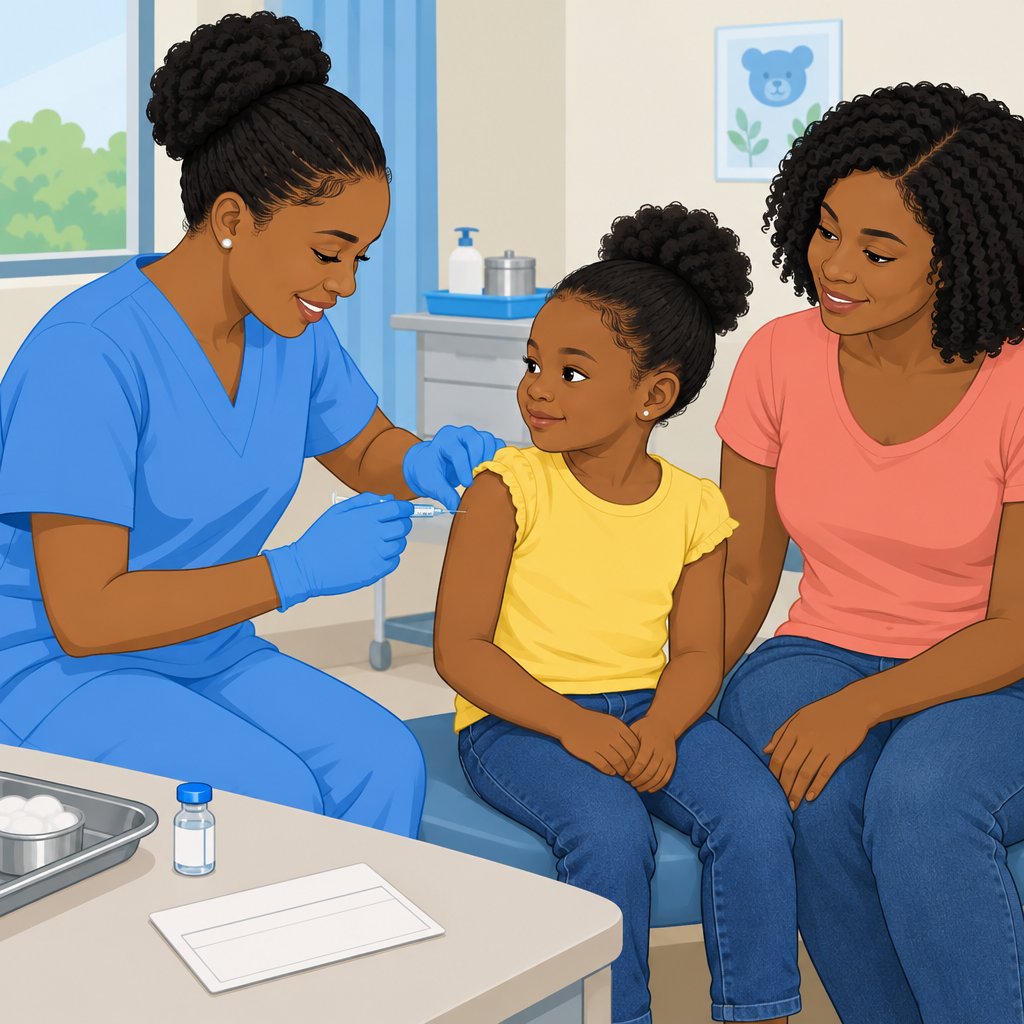
Progress in Increasing Vaccination Coverage
Nigeria has improved vaccination coverage for children through coordinated public health efforts.
Government initiatives and organizational partnerships have expanded access to essential vaccines.
Additionally, community engagement and outreach efforts have encouraged more families to seek vaccination services.
- New vaccines and stronger immunization systems have supported higher vaccination coverage.
- Awareness campaigns have helped communities understand the importance of vaccination.
- Health teams have reached more children in remote and underserved areas.
- Partnerships have helped government programs expand vaccine access across Nigeria.
- Community participation has played an important role in increasing vaccination uptake.
Barriers Affecting Vaccination Programs
Despite progress, vaccination programs still face financial, logistical, and workforce challenges.
Weak infrastructure can delay vaccine delivery and limit service availability in several communities.
Furthermore, misinformation and mistrust can reduce acceptance of vaccines among some populations.
- Insufficient funding limits the ability to sustain vaccination programs effectively.
- Poor roads and limited health facilities hinder vaccine delivery.
- Misinformation and mistrust discourage vaccination in some communities.
- Weak cold chain systems can cause vaccine wastage and reduce efficacy.
- Health worker shortages and uneven distribution complicate vaccination activities.
Regional and Population Differences in Vaccine Access
Vaccination access varies between urban and rural communities across Nigeria.
Conflict and insecurity can make it difficult for health teams to reach children in affected regions.
Economic, cultural, and social conditions also influence vaccination decisions and service access.
Transform Your Career with Expert Guidance
Get personalized mentorship consulting that’s tailored to your unique path. Our expert advice is actionable and exclusive.
Get Started- Urban areas generally have different vaccination access from rural areas.
- Conflict and insecurity restrict vaccine delivery in certain regions.
- Internally displaced people often experience limited access to vaccination services.
- Economic disparities create unequal access among different social groups.
- Ethnic and cultural factors may influence vaccination decisions and access.
Discover More: Nigerian Microbiology Associations and Societies
Strategies to Improve Vaccination Coverage
Nigeria can improve vaccination coverage by strengthening health systems, engaging communities, and addressing vaccine hesitancy.
These strategies can help vaccines reach children in remote and underserved areas.
Together, they can build trust, improve access, and support broader protection from preventable diseases.
- Strengthening health systems and infrastructure
- Community engagement and awareness campaigns
- Addressing vaccine hesitancy and misinformation
Strengthening Health Systems and Infrastructure
Health authorities need enough trained healthcare workers to support vaccination services.
They also need reliable vaccine supply chains and functioning cold storage systems.
These systems help maintain vaccine potency while supplies move to health facilities.
Investment in health infrastructure can help vaccines reach children in remote and underserved areas.
Additional healthcare workers can support vaccination services and improve access for families.
Reliable supply chains can reduce disruptions and strengthen routine vaccine delivery.
Community Engagement and Awareness Campaigns
Community engagement can build trust and acceptance around childhood vaccination.
Community leaders, local health workers, and parents can participate in vaccination efforts.
Furthermore, their involvement can help health authorities understand local concerns.
Radio, television, and social media can share information about vaccination.
These campaigns can explain vaccination’s importance and challenge myths or misconceptions.
Consequently, clear communication can encourage parents to vaccinate their children.
Addressing Vaccine Hesitancy and Misinformation
Vaccine hesitancy can grow when misinformation and mistrust influence community decisions.
Health authorities must provide accurate information and respond to public concerns.
Local influencers, religious leaders, and healthcare providers can share trusted vaccine information.
Public health campaigns can also counter misinformation through community outreach efforts.
These actions can strengthen confidence in vaccination and support higher coverage.
Gain More Insights: Medical Ethics and Laws in Nigeria: Essential Knowledge
Government and Partner Roles in Child Health Vaccination
The Government of Nigeria plays a critical role in child health vaccination programs.
It works with partners to improve vaccine delivery and healthcare services across the country.
These combined efforts support vaccination coverage and improve children’s health outcomes.
Government Responsibilities for Vaccines and Healthcare Services
The government provides vaccines to regions and communities across Nigeria.
It procures, stores, and distributes vaccines to health facilities at every level.
Additionally, officials oversee vaccination services, monitor programs, and conduct awareness campaigns.
Collaboration with International Organizations and NGOs
The government collaborates with international organizations and NGOs to strengthen vaccination programs.
These partnerships provide additional resources, technical expertise, and operational support.
For example, WHO and UNICEF offer guidance, training, and financial assistance in Nigeria.
Meanwhile, the Bill and Melinda Gates Foundation and Doctors Without Borders support campaigns in underserved areas.
Funding and Sustainability of Vaccination Programs
The government and its partners mobilize funding for child health vaccination programs.
This funding supports vaccine purchases, cold chain logistics, outreach activities, and program monitoring.
Furthermore, long-term donor commitments can help maintain vaccination services.
Innovative financing mechanisms can also support sustainable vaccine delivery.
Finally, the government integrates vaccination services into the national healthcare system.
Public-private partnerships can leverage resources and expertise for continued vaccine delivery.
You Might Also Like: Success Stories in Nigerian Restorative Dentistry
COVID-19 created significant challenges for child health vaccination programs in Nigeria.
These challenges affected program effectiveness and vaccination coverage.
Disruption of Vaccination Services
The pandemic disrupted routine vaccination services and campaigns across Nigeria.
Lockdowns and travel restrictions affected access to vaccination services.
Fear of virus exposure also contributed to declining vaccination rates.
Efforts to Resume Vaccination Activities
Health authorities worked to resume vaccination activities during the pandemic.
Organizations also supported efforts to maintain vaccination services.
Mobile clinics, outreach programs, and vaccination drives reached underserved communities.
Long-Term Implications for Immunization Coverage
The pandemic’s disruption of vaccination programs creates concerning long-term implications for immunization coverage.
Reduced vaccination activity could decrease herd immunity among communities.
Consequently, children may face increased susceptibility to vaccine-preventable diseases.
Stakeholders must continue prioritizing immunization to protect children’s health and well-being.
Sustaining Child Vaccination Progress in Nigeria
Child health vaccination programs in Nigeria prevent deadly diseases and improve public health.
Nigeria’s programs have increased immunization coverage and reduced child mortality rates.
However, vaccine hesitancy, inadequate funding, and weak health systems continue to create challenges.
Stakeholders must support and invest in these programs so every child can access life-saving vaccines.
By prioritizing vaccination, Nigeria can advance universal immunization coverage and create a healthier future for children.
Additional Resources
Google search results for Child Health Vaccination Programs in Nigeria Medical
Bing search results for Child Health Vaccination Programs in Nigeria Medical


