




The Role of Nigerian Obstetric and Gynaecological Associations
Introduction: The Nigerian Obstetric and Gynaecological Associations promote women’s health in Nigeria.
These associations advance obstetrics and gynecology while supporting women’s well-being across the country.
Brief Overview: They unite healthcare professionals who specialize in women’s reproductive health.
They seek to improve maternal and child health outcomes through best practices.
Importance: These associations provide platforms for collaboration, knowledge sharing, and continuing education among specialists.
They also develop and implement evidence-based guidelines and standards for women’s care.
Statement of Purpose: This blog post highlights their role in improving women’s health outcomes in Nigeria.
It explores their initiatives, programs, and advocacy efforts addressing women’s healthcare needs.
Historical Foundations of the Associations
The Nigerian Obstetric and Gynaecological Associations began in 1966.
Passionate obstetricians and gynaecologists created the associations.
They sought collective solutions for challenges affecting their profession.
Establishment Through Professional Collaboration
The founding professionals recognized the value of working together.
They formed associations to address shared issues in obstetrics and gynaecology.
This collaboration created a foundation for professional development in Nigeria.
Growth and Expanded Influence
Since their establishment, the associations have increased their membership.
They have also strengthened their influence within the medical profession.
Furthermore, their work now covers various aspects of obstetrics and gynaecology.
Advancing Maternal and Infant Healthcare
The associations have helped improve maternal and infant healthcare in Nigeria.
They organize conferences, workshops, and training sessions for their members.
These educational activities strengthen professional knowledge and clinical practice.
Through research and advocacy, the associations have influenced policies and guidelines.
They also collaborate with international organizations to introduce best practices in Nigeria.
Additionally, the associations raise awareness about women’s health issues nationwide.
Membership and Structure of the Associations
The associations define membership, leadership, committees, and subgroups.
These elements organize participation and support the associations’ objectives.
Together, they describe how professionals participate and collaborate.
- Criteria for membership
- Leadership hierarchy
- Committees and subgroups within the associations
Criteria for Membership
The associations maintain specific membership criteria for qualified professionals.
Membership is open to obstetricians and gynaecologists who completed residency training.
Applicants must also register with the appropriate regulatory body.
Additionally, the associations welcome medical students interested in obstetrics and gynaecology.
Applicants must provide evidence of their qualifications and experience.
A membership committee carefully reviews every application.
This review confirms that prospective members meet the necessary criteria.
Leadership Hierarchy
Elected officials oversee the associations’ operations and direction.
The President leads the associations and represents them officially.
The Vice President, Secretary, and Treasurer support the President.
Together, these officers help ensure the associations function smoothly.
Experienced members form the Board of Trustees.
The Board of Trustees provides guidance and support to the leadership team.
This hierarchy supports effective decision-making and governance.
Transform Your Career with Expert Guidance
Get personalized mentorship consulting that’s tailored to your unique path. Our expert advice is actionable and exclusive.
Get StartedCommittees and Subgroups within the Associations
The associations establish committees and subgroups to address members’ diverse needs.
These groups also help advance the associations’ objectives.
The Education Committee focuses on continuing education and professional development.
Meanwhile, the Research Committee promotes research and innovation.
Other subgroups address specific areas of professional interest.
These areas include maternal health, reproductive endocrinology, and adolescent gynaecology.
Members use these subgroups to collaborate and share specialized expertise.
Learn More: Innovations in Nigerian Biomedical Technology Sector
Key Objectives and Goals of the Associations
The Associations promote women’s reproductive health through education and access to supportive services.
They also advocate better maternal healthcare services by addressing gaps within the healthcare system.
Additionally, they support continuing education, research, and innovation in obstetrics and gynaecology.
- Promotion of women’s reproductive health
- Advocacy for improved maternal healthcare services
- Continuing medical education for members
- Research and innovation in obstetrics and gynaecology
Promotion of Women’s Reproductive Health
The Nigerian Obstetric and Gynaecological Associations prioritize women’s reproductive health.
They provide education that supports women’s reproductive rights and overall well-being.
Moreover, they promote access to services that address women’s reproductive health needs.
Advocacy for Improved Maternal Healthcare Services
The Associations advocate improved maternal healthcare services in Nigeria.
They work with policymakers and healthcare providers to address gaps within the healthcare system.
Consequently, their advocacy supports quality care for pregnant women.
Continuing Medical Education for Members
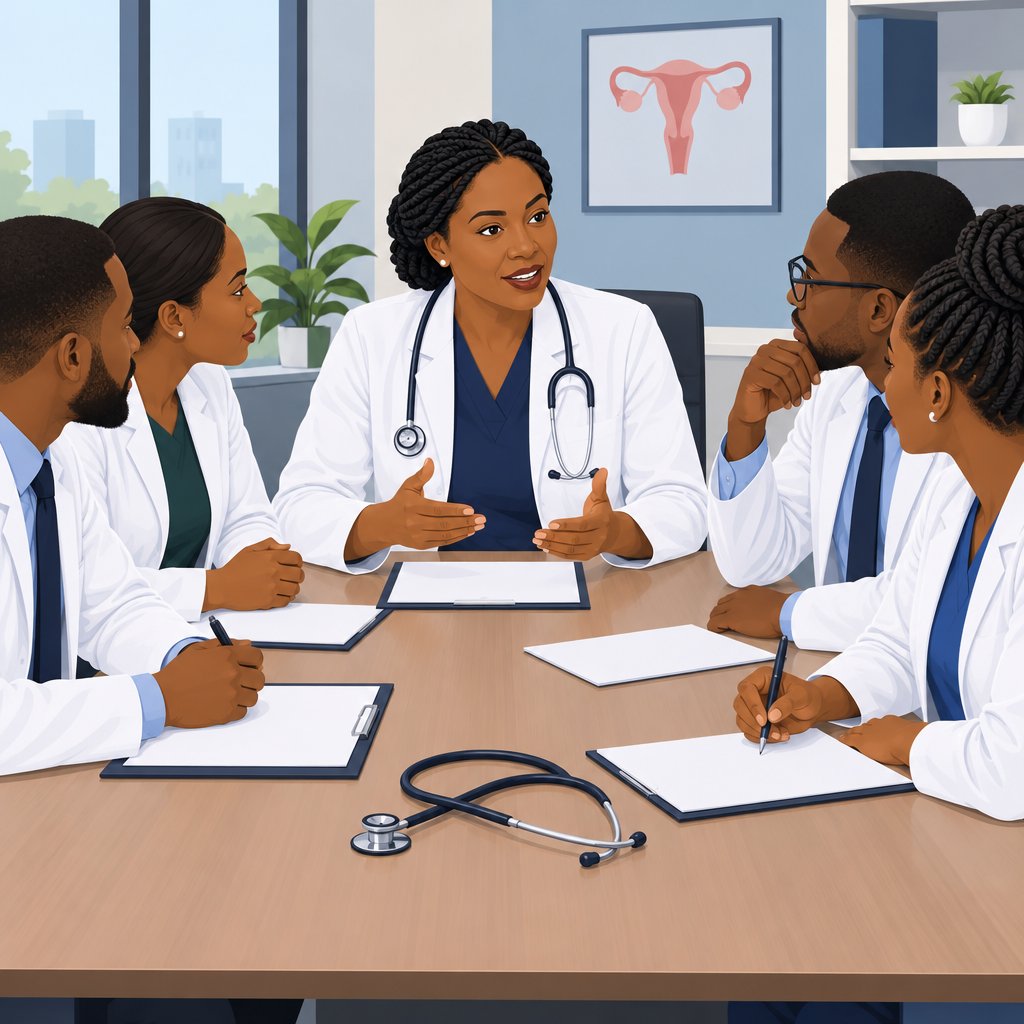
The Associations provide continuing medical education for their members.
This education helps healthcare professionals follow advancements and best practices.
As a result, members can improve the quality of obstetric and gynaecological care.
Research and Innovation in Obstetrics and Gynaecology
Research and innovation form important pillars of the Associations’ objectives.
The Associations foster inquiry and exploration within obstetrics and gynaecology.
These efforts aim to advance the field and improve outcomes for women’s health.
Through education, advocacy, research, and innovation, the Associations support women’s health in Nigeria.
They also promote stronger maternal healthcare services for women.
Together, these activities support improved care for women across the country.
Explore Further: Overview of Restorative Dentistry in Nigeria
Collaborations and Partnerships
The associations build partnerships that support women’s health across Nigeria.
These relationships connect professional expertise with government, international, and healthcare stakeholders.
Through collaboration, the associations strengthen programs and support lasting improvements in women’s healthcare.
Relationships with Government Agencies
- NOGA works closely with government agencies to advocate for policies that promote women’s health.
- Collaboration with the Ministry of Health provides essential resources and support for association programs.
- Additionally, NOGA partners with regulatory bodies to uphold care standards within obstetrics and gynaecology.
Collaborations with International Organizations
- NOGA collaborates with the World Health Organization to apply global best practices in Nigeria.
- Moreover, partnerships with UNFPA promote reproductive health services in underserved areas.
- NOGA works with organizations such as IPPF to train healthcare professionals and improve service delivery.
Partnerships with Nigerian Healthcare Associations
- NOGA collaborates with the Nigerian Medical Association to advocate better working conditions for healthcare providers.
- Partnerships with nursing associations support comprehensive care throughout women’s reproductive journeys.
- Furthermore, NOGA partners with midwifery associations to strengthen midwives’ capacity to provide quality maternal care.
These collaborations have helped the associations achieve significant milestones in improving women’s health.
They also improve program effectiveness and support the sustainability of related initiatives.
Strong stakeholder relationships therefore remain important to the associations’ continuing healthcare efforts.
Learn More: Nigerian Diet and Child Dental Health
Achievements and Milestones
NOGA began in 1963 and established a professional foundation for obstetric and gynaecological practice.
Since then, the organization has advocated for women’s health and rights in Nigeria.
Additionally, NOGA has expanded its membership and influence within the medical community.
- NOGA was established in 1963.
- The organization pioneered advocacy for women’s health and rights in Nigeria.
- Its membership and influence within the medical community continue to grow.
- NOGA collaborates with international organizations to improve healthcare practices.
Notable Projects and Initiatives
NOGA supports training programs that strengthen obstetric and gynaecological services in rural areas.
The organization also develops guidelines that address maternal and child health services.
Furthermore, community outreach connects reproductive health education with local communities.
- NOGA launched training programs for rural obstetricians and gynaecologists.
- The organization developed guidelines for improving maternal and child health services.
- Community outreach programs educate people about reproductive health.
- NOGA partners with government agencies to address healthcare disparities.
Awards and Recognitions
NOGA has received recognition for its contributions to women’s healthcare in Nigeria.
Its initiatives have also earned appreciation for addressing maternal health challenges.
International organizations have acknowledged the association’s advocacy and professional contributions.
- The Nigerian government recognized NOGA’s contributions to women’s healthcare.
- NOGA received awards for innovative approaches to reducing maternal mortality rates.
- International organizations appreciated NOGA’s advocacy for women’s health.
- NOGA received accolades for promoting best practices in obstetrics and gynaecology.
Impact on Maternal and Child Health Outcomes
NOGA’s advocacy and awareness campaigns support better maternal and child health outcomes in Nigeria.
These efforts improve access to prenatal and postnatal care across the country.
They also promote reproductive health education, including contraception and family planning.
- Advocacy and awareness campaigns contributed to lower maternal mortality rates.
- Women gained improved access to quality prenatal and postnatal care.
- Healthcare infrastructure improved in remote areas.
- Education empowered women to understand contraception and family planning.
Discover More: Child Health Vaccination Programs in Nigeria
Challenges and Areas for Improvement
Several challenges limit the associations’ ability to improve maternal and reproductive healthcare in Nigeria.
Funding, resources, technology, and workforce capacity affect their programs and services.
Addressing these barriers requires coordinated strategies and sustained support.
Funding Constraints
Funding remains a major issue for the Nigerian Obstetric and Gynaecological Associations.
Limited financial resources prevent the organizations from implementing important programs and initiatives.
Consequently, they struggle to provide necessary services and support for women in need.
Access to Resources and Technology
The associations also face limited access to essential resources and technology.
Outdated equipment and scarce medical supplies reduce their ability to deliver quality care.
Improved access to resources and technology can strengthen maternal and reproductive healthcare in Nigeria.
Workforce Shortages in Obstetrics and Gynaecology
Nigeria has too few skilled healthcare professionals in obstetrics and gynaecology.
This shortage limits the associations’ capacity to provide comprehensive services across the country.
Moreover, insufficient training capacity hinders efforts to reduce maternal mortality and improve reproductive health outcomes.
Strategies for Addressing These Challenges
The associations should develop sustainable funding streams through grants, partnerships, and fundraising efforts.
They should also advocate increased government support and investment in maternal health programs.
Furthermore, collaboration with international organizations and donors can improve access to resources and technology.
Training programs can build healthcare workers’ capacity in obstetrics and gynaecology.
Telemedicine and digital health solutions can address workforce shortages and reach remote areas.
A multifaceted approach can help the associations address funding, technology, and workforce challenges.
Through strategic collaboration, they can strengthen their impact and deliver better maternal and reproductive healthcare services.
Future Prospects for Women’s Healthcare Associations
Nigerian obstetric and gynaecological associations play a significant role in promoting women’s health in Nigeria.
Moreover, public support for these associations can help improve healthcare for women across the country.
Looking ahead, the associations can continue advancing healthcare in Nigeria.
Additional Resources
Google search results for Nigerian Obstetric and Gynaecological Associations Medical
Bing search results for Nigerian Obstetric and Gynaecological Associations Medical


