




Medical Rehabilitation in Nigeria
Medical rehabilitation in Nigeria restores function and improves quality of life for people with disabilities or health conditions.
It uses a multidisciplinary approach.
Sharing rehabilitation success stories offers several important benefits.
First, these stories motivate and inspire patients and healthcare professionals.
They highlight people who completed successful rehabilitation.
Additionally, they emphasize perseverance and determination when people overcome challenges.
Overview of Medical Rehabilitation in Nigeria
Medical rehabilitation remains an essential part of Nigeria’s healthcare system.
It helps patients address physical, cognitive, and emotional needs after illness or injury.
However, Nigeria’s rehabilitation system continues to develop unevenly across the country.
Current State of Rehabilitation Facilities and Services
Nigeria has relatively few rehabilitation centers, and most operate in urban areas.
Consequently, overcrowding often creates long waits before patients receive treatment.
Moreover, variations in facility quality can influence the effectiveness of care.
Government and nongovernmental organizations are working to expand rehabilitation access.
Training programs are also strengthening providers’ rehabilitation skills.
Challenges Facing Patients and Healthcare Providers
Patients often struggle with treatment costs, limited awareness, and disability-related stigma.
These barriers can delay care or prevent patients from completing recommended rehabilitation.
Meanwhile, healthcare providers frequently work with limited equipment and too few trained staff.
Furthermore, inconsistent protocols make it harder to deliver uniform services.
Importance of Rehabilitation Within Healthcare
Rehabilitation supports recovery and helps people regain independence after injuries and illnesses.
It can also improve quality of life by addressing physical, cognitive, and emotional needs.
Additionally, timely rehabilitation can help hospitals discharge patients who no longer need acute care.
Nigeria faces substantial rehabilitation needs because accidents, stroke, and disabilities affect many people.
Investing in these services may improve outcomes, lower long-term costs, and promote population well-being.
Success Stories of Patients in Medical Rehabilitation
Medical rehabilitation in Nigeria has supported many patients facing disabilities and serious health challenges.
These stories show how determined individuals overcome adversity through rehabilitation.
They also demonstrate the value of personalized care and consistent support.
Personal Stories of Successful Rehabilitation
One example involves Ibrahim, a young man who suffered a severe spinal cord injury in a car accident.
Through intensive physical therapy and rehabilitation, Ibrahim regained mobility and independence.
He now leads an active and fulfilling life.
Dedicated care and support guided his rehabilitation journey.
Another inspiring example involves Funke, a stroke survivor who experienced partial paralysis on one side.
A multidisciplinary team supported Funke during her recovery.
Physiotherapists, occupational therapists, and speech therapists contributed to her treatment.
Funke gradually regained her motor skills and speech abilities.
She returned to work and resumed everyday activities with confidence and independence.
These experiences show how customized treatment can improve physical, emotional, and cognitive well-being.
Conditions Addressed Through Rehabilitation
Rehabilitation programs address spinal cord injuries, stroke, traumatic brain injuries, amputations, and musculoskeletal disorders.
They also support people living with neurological disorders.
Each condition creates unique challenges that require specialized rehabilitation interventions.
These interventions promote recovery, functional improvement, and greater independence.
Transform Your Career with Expert Guidance
Get personalized mentorship consulting that’s tailored to your unique path. Our expert advice is actionable and exclusive.
Get StartedFor example, physical therapy can improve motor function, strength, and mobility after spinal cord injuries.
Occupational therapy can strengthen self-care skills and daily independence.
Speech therapy can support communication after stroke or brain injury.
Rehabilitation professionals tailor treatment plans to each patient’s needs and goals.
They consider medical history, functional abilities, and personal preferences during planning.
This approach helps patients achieve meaningful improvements across different conditions.
How Rehabilitation Improves Quality of Life
Medical rehabilitation can significantly improve patients’ quality of life.
It can improve physical function, reduce pain, and increase independence.
It can also restore confidence and help individuals pursue personal goals.
Successful patients often report greater empowerment and self-esteem.
Many also experience improved emotional well-being.
Rehabilitation helps individuals manage daily challenges more effectively.
It also supports work, social interaction, and recreational activities.
Furthermore, rehabilitation can prevent complications and reduce dependence on caregivers.
Education and ongoing support help patients manage their health more confidently.
Patients can therefore make informed decisions about their care and lifestyle.
These improvements help individuals regain control and participate more fully in daily life.
See Related Content: Alumni Success Stories from Nigerian Medical Schools
Success Stories of Healthcare Providers in Medical Rehabilitation
- Dr. Adebayo helped a patient walk again after a severe accident.
- Meanwhile, Nurse Bukola supported a stroke survivor through rigorous therapy.
- That therapy helped the survivor regain important motor functions.
- Additionally, Dr. Ibrahim used innovative occupational therapy to support a young man with spinal cord injury.
- His approach helped the young man find employment.
Healthcare Professionals Making Significant Contributions
- Dr. Olayinka introduced virtual reality therapy for patients undergoing rehabilitation.
- This technology supports faster recovery for some patients.
- Furthermore, Nurse Funmi provides compassionate care to many patients.
- She also creates personalized treatment plans that improve quality of life.
Innovations and Advancements in Rehabilitation Practices
- Rehabilitation centers have introduced hydrotherapy pools to support patient recovery.
- These pools enhance mobility and help reduce pain.
- Moreover, doctors, therapists, and psychologists now collaborate on treatment approaches.
- This teamwork addresses patients’ needs through holistic rehabilitation.
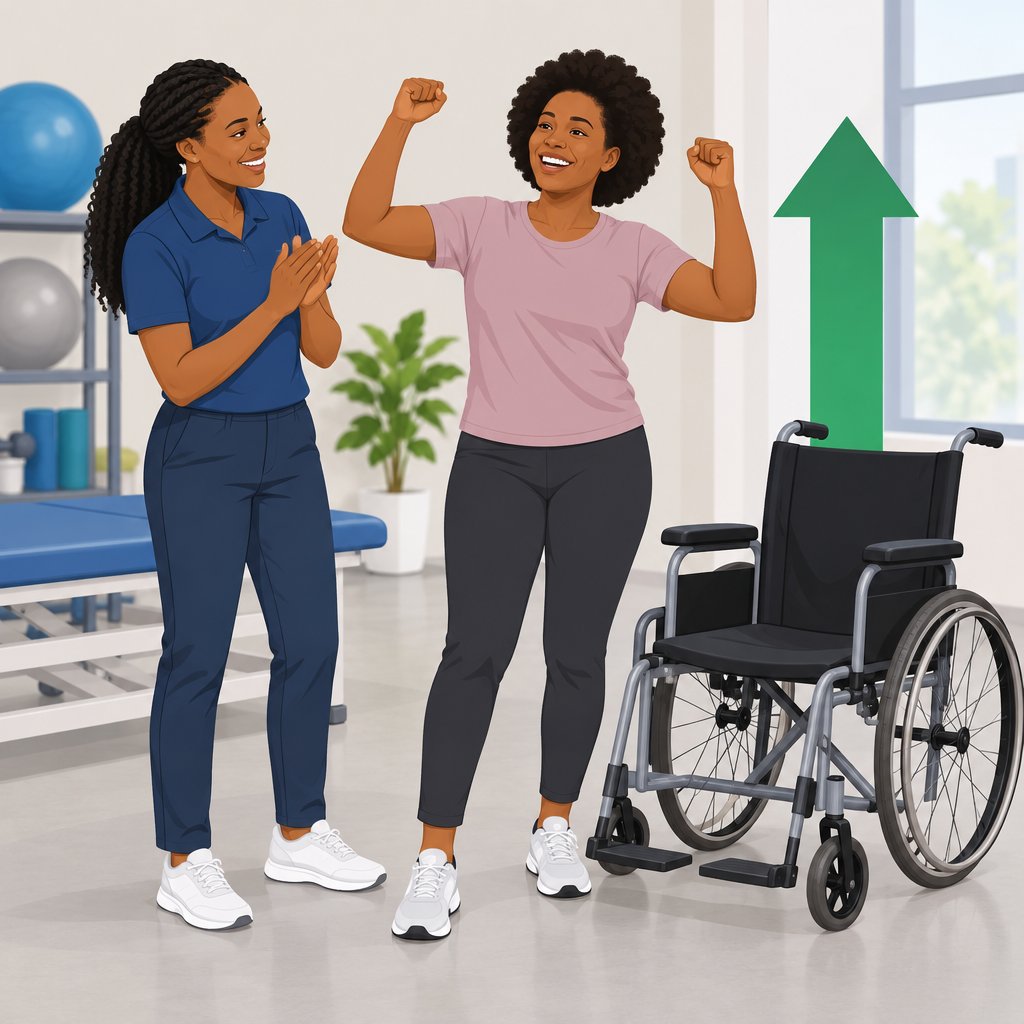
Challenges in Delivering Rehabilitation Services
- Rural areas often lack specialized equipment and rehabilitation resources.
- These limitations hinder healthcare providers from delivering optimal patient care.
- Additionally, high patient loads place significant pressure on healthcare professionals.
- Inadequate staffing levels can also contribute to professional burnout.
See Related Content: Managing High-Risk Pregnancies in Nigeria
Impact of Medical Rehabilitation on Society
Medical rehabilitation improves quality of life for people affected by health conditions.
Its effects extend beyond individuals and influence families, communities, and society.
Families and communities also benefit when rehabilitation helps people participate more fully.
Positive Outcomes of Successful Rehabilitation
Rehabilitation creates benefits that reach beyond clinical recovery.
These benefits influence personal participation, household resilience, and community relationships.
The following outcomes illustrate rehabilitation’s wider social value.
- Individuals regain independence and improve their overall well-being.
- Families receive help coping with disability-related caregiving challenges.
- Communities become more inclusive when people participate in community activities.
Economic Benefits of Investing in Medical Rehabilitation
Investment in rehabilitation can improve health outcomes and reduce healthcare costs.
Additionally, successful rehabilitation can help individuals return to work and contribute to the economy.
Early intervention may prevent long-term disabilities and reduce pressure on healthcare services.
- Rehabilitation can reduce costs through improved outcomes and fewer hospitalizations.
- People who recover successfully may return to work and support economic productivity.
- Early services can limit long-term disabilities and create lasting healthcare savings.
Awareness of Rehabilitation’s Social Impact
Public awareness can encourage stronger support for medical rehabilitation services.
Highlighting rehabilitation’s benefits can improve advocacy for better access.
Greater awareness can promote a more inclusive and supportive society.
Nigeria’s rehabilitation success stories demonstrate how these services can improve individual and community well-being.
Continued investment and awareness can expand access to quality services and necessary support.
Uncover the Details: Advanced Anatomy Courses Available in Nigeria
Importance of Celebrating Success Stories in Medical Rehabilitation
- Motivation for patients and healthcare providers
- Encouragement for individuals seeking rehabilitation services
- Recognition of achievements in medical rehabilitation
Success stories in medical rehabilitation inspire patients and healthcare providers to pursue meaningful progress.
They show that determination and consistent effort can support recovery after injury or illness.
These accounts also recognize the dedication that patients and healthcare providers bring to rehabilitation.
Motivation for Patients
Success stories encourage patients who face difficult rehabilitation journeys.
They provide clear evidence that patients can make progress despite serious challenges.
Furthermore, patients can gain confidence when others overcome similar obstacles.
These experiences also remind patients that setbacks do not eliminate hope for recovery.
Motivation for Healthcare Providers
Success stories affirm the value of healthcare providers’ commitment and skills.
Positive patient outcomes can strengthen their dedication to rehabilitation practice.
Moreover, these accounts can encourage providers to improve their treatment approaches.
Providers can also learn from shared experiences and strengthen collaboration within healthcare.
Encouragement for Individuals Seeking Rehabilitation Services
Success stories offer reassurance to people considering or receiving rehabilitation services.
They demonstrate how dedication and perseverance can support meaningful progress.
Consequently, these accounts help individuals approach recovery with greater confidence.
They also show that rehabilitation support can help people pursue personal goals.
Recognition of Achievements in Medical Rehabilitation
Celebrating success stories honors patients who achieve significant recovery milestones.
It also recognizes healthcare providers who deliver dedicated and effective care.
These accounts highlight the important contributions made throughout medical rehabilitation.
They further raise awareness of rehabilitation’s role in improving quality of life and independence.
Learn More: Challenges of Studying Medicine in Nigeria: Insights
Why Rehabilitation Stories Matter
Sharing medical rehabilitation success stories in Nigeria highlights these programs’ positive effects on individuals.
Moreover, these stories inspire people to seek help and trust rehabilitation’s power to transform lives.
They also raise awareness about rehabilitation’s importance and the need for stronger support and resources.
Expanding Support for Rehabilitation Outcomes
Continued storytelling can reach wider audiences and reduce stigma surrounding medical rehabilitation.
Furthermore, financial support can help rehabilitation programs provide quality care to more people.
Advocacy efforts can also improve access for individuals who need rehabilitation services.
Building a Hopeful Rehabilitation Future
With continued storytelling and stronger support, medical rehabilitation in Nigeria can advance.
Greater cooperation can help more people access life-changing rehabilitation services.
As a result, more individuals can thrive throughout their recovery journeys.
Additional Resources
Google search results for Success Stories in Medical Rehabilitation Nigeria Medical
Bing search results for Success Stories in Medical Rehabilitation Nigeria Medical


