




Radiography and Radiology in Nigeria
Radiography and radiology support medical imaging through various techniques.
These techniques help visualize the body’s internal structures.
Healthcare professionals use these disciplines to diagnose and treat diseases.
Nigeria has made progress in adopting modern imaging technologies.
However, significant gaps remain in infrastructure, training, and access to specialized care.
Adoption of Advanced Technology
Advanced imaging technology is changing radiography and radiology services in Nigeria.
Healthcare facilities increasingly use digital radiography and remote diagnostic imaging.
These developments improve image handling and support faster clinical decisions.
- Digital Radiography: Digital systems provide better image quality and faster processing than traditional film-based radiography.
- Remote Diagnostic Imaging: Tele-radiology allows radiologists to interpret images remotely and consult healthcare providers.
Effects on Diagnostic Services
Advanced imaging technology helps radiologists identify abnormalities and diseases earlier.
Digital systems also reduce processing time and support more efficient workflows.
Consequently, healthcare providers can improve diagnostic speed and treatment planning.
- Improved Accuracy: Radiologists can detect abnormalities and diseases at earlier stages.
- Enhanced Efficiency: Digital systems streamline workflows and reduce image production time.
Implementation Challenges
However, adoption creates financial, educational, and regulatory demands.
Smaller healthcare facilities may struggle to finance advanced imaging systems.
Healthcare professionals also need training to operate these systems effectively.
- Cost: Advanced imaging systems require significant financial investment from healthcare facilities.
- Training: Professionals need time and resources to learn new imaging technologies.
- Regulatory Compliance: Facilities must satisfy regulatory standards and data protection requirements.
Opportunities for Healthcare Improvement
Despite these barriers, advanced technology creates important opportunities.
It can strengthen patient care, professional development, and healthcare research.
Furthermore, modern systems can encourage innovation in radiography and radiology.
- Improved Patient Care: Accurate diagnoses can support more personalized treatment plans.
- Professional Development: Professionals can develop skills by learning advanced imaging systems.
- Research and Innovation: Cutting-edge technology can stimulate research in radiography and radiology.
These developments can make diagnosis and treatment more efficient and accurate.
Although adoption requires investment and training, its potential benefits justify careful implementation.
The opportunities presented by advanced technology outweigh its initial barriers.
Training and Education
Radiographers in Nigeria complete rigorous education and training before entering professional practice.
Their preparation helps them manage the demands of radiography and support patient care.
They typically earn a Bachelor’s degree in Radiography from a recognized university or college.
Current Education and Training Programs
Nigerian radiographers usually complete a university-level program in Radiography.
This education provides foundational knowledge for professional radiography practice.
Furthermore, the program prepares graduates to meet the profession’s practical demands.
Importance of Continuous Education and Training
Continuous education helps radiographers remain current with advances in radiology technology and techniques.
It also enables professionals to strengthen their knowledge and maintain relevant skills.
Consequently, ongoing training supports the delivery of effective patient care.
Recommendations for Improving Radiographer Education
Several improvements could strengthen radiographer training and education in Nigeria.
These measures would help institutions prepare students and support practicing professionals.
They could also improve the quality of radiological services throughout the country.
- Increase collaboration between educational institutions and healthcare facilities for more hands-on training opportunities.
- Implement mandatory continuing education requirements for practicing radiographers.
- Offer specialized training in areas such as MRI or CT scanning.
- Provide additional funding for programs to access current equipment and technology.
- Encourage radiographers to pursue advanced certifications and degrees.
Explore Further: Eye Health Education: Resources for Nigerians
Telemedicine and Tele-radiology
Telemedicine uses telecommunications technology to support medical practice.
It typically involves consultations between healthcare professionals and patients through video communication.
Tele-radiology specifically transmits radiological images for interpretation and diagnosis.
Benefits of Tele-radiology in Nigeria
- Tele-radiology improves access to radiological services in remote areas.
- It reduces the need for patients to travel long distances for imaging studies.
- Furthermore, it enables faster diagnosis and treatment planning in underserved regions.
- It also facilitates collaboration between radiologists in different parts of Nigeria.
Challenges and Potential Solutions for Implementing Tele-radiology in Nigeria
- Many remote areas lack reliable internet infrastructure for tele-radiology services.
- Healthcare facilities may have limited access to personnel trained to operate tele-radiology systems.
- Stakeholders must address data privacy and security concerns when transmitting sensitive medical images.
Gain More Insights: Blood Transfusion Safety Measures in Nigeria
Importance of Quality Control and Regulation
Quality control supports accurate and reliable radiographic and radiological images.
These processes help healthcare professionals maintain high standards during patient care and diagnosis.
Furthermore, effective regulation protects patients and healthcare providers from avoidable radiation risks.
Transform Your Career with Expert Guidance
Get personalized mentorship consulting that’s tailored to your unique path. Our expert advice is actionable and exclusive.
Get StartedWithout proper oversight, inaccurate images may contribute to misdiagnosis and poor patient outcomes.
Regulatory Oversight in Nigeria
In Nigeria, the Radiographers Registration Board of Nigeria regulates radiography practice.
The Medical and Dental Council of Nigeria oversees relevant radiology practice and professional standards.
Both regulatory bodies help set standards, issue licenses, and monitor professional practice.
Additionally, the Association of Radiographers of Nigeria promotes best practices and continuing professional education.
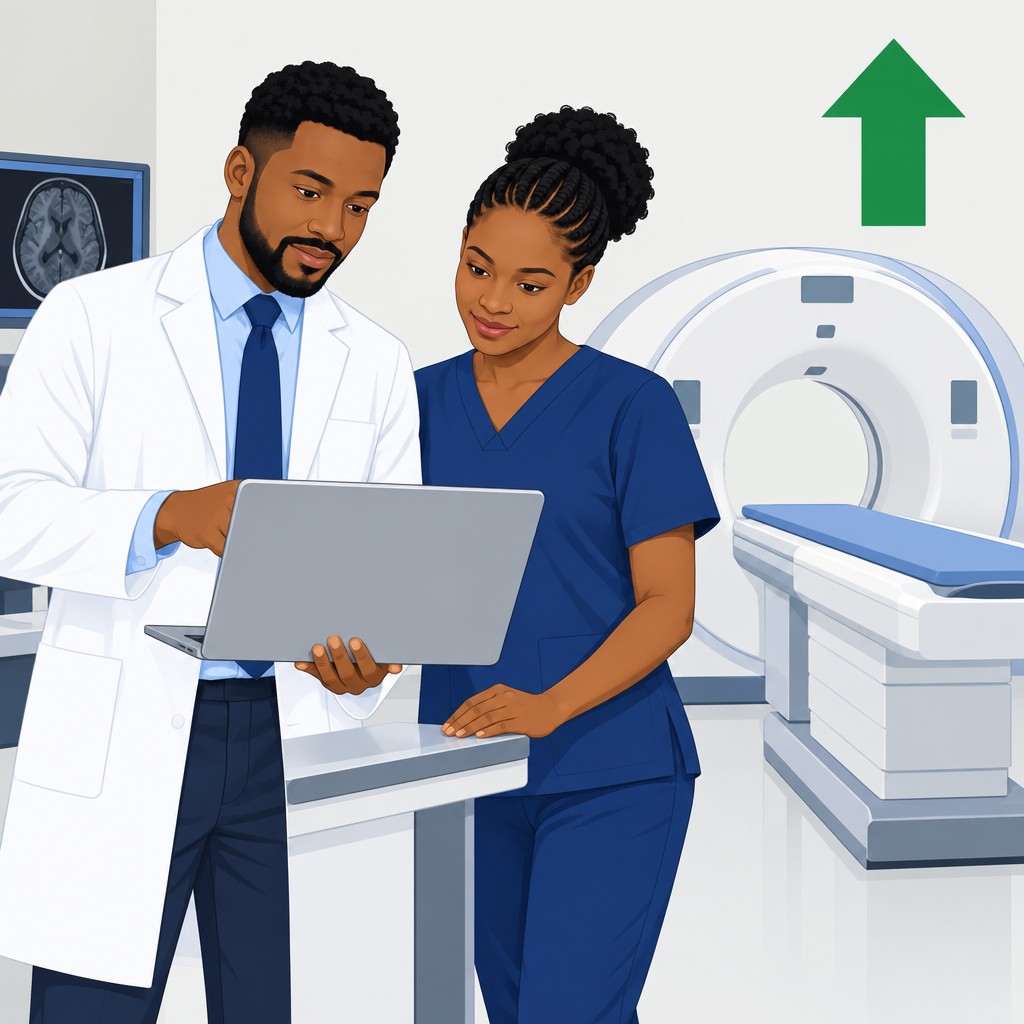
Measures for Stronger Imaging Standards
Healthcare facilities can strengthen imaging services through coordinated quality control and regulatory activities.
Regular evaluation helps facilities identify weaknesses and maintain consistent performance.
Moreover, cooperation among stakeholders can improve knowledge sharing and support better practices.
- Provide continuous training and certification to maintain professional competence and support current best practices.
- Conduct regular facility audits and inspections to identify weaknesses and verify regulatory compliance.
- Establish quality assurance programs that evaluate imaging equipment and personnel performance.
- Encourage collaboration among regulators, professional associations, and healthcare facilities to share information.
Patient Safety and Diagnostic Reliability
Strong quality control improves the reliability of images used during diagnosis.
Effective regulation also promotes safer working conditions for patients and healthcare providers.
Therefore, continued improvement can support high standards across radiography and radiology services in Nigeria.
See Related Content: Frequently Asked Questions about Eye Surgery in Nigeria
Collaboration among healthcare professionals supports high-quality care in radiography and radiology.
Radiographers, radiologists, and other professionals contribute different skills to patient management.
Effective teamwork connects these skills through clear communication and coordinated practice.
Importance of Teamwork and Collaboration
Healthcare professionals can provide more comprehensive care when they work together.
Collaboration supports better decisions, which can improve patient outcomes and satisfaction.
Teamwork also streamlines processes and reduces errors within healthcare services.
- Teams can provide enhanced patient care through a comprehensive approach.
- Collaboration supports improved outcomes through better clinical decision-making.
- Teamwork improves efficiency by streamlining processes and reducing errors.
Benefits of Interdisciplinary Collaboration
Different professional perspectives can strengthen diagnostic accuracy and timeliness.
Team members can develop treatment plans that consider several aspects of patient care.
Interdisciplinary work keeps patient needs and preferences central to care decisions.
- Combined expertise can support more accurate and timely diagnosis.
- Collaboration can produce comprehensive treatment plans that reflect varied perspectives.
- Interdisciplinary care can provide more personalized support for patients.
Strategies for Promoting Collaboration
Healthcare professionals need open and transparent communication to collaborate effectively.
Regular multidisciplinary meetings allow professionals to discuss cases and coordinate care.
Shared decisions, continuous education, and mutual respect can strengthen professional teamwork.
- Use regular communication to share relevant information clearly.
- Hold multidisciplinary meetings to discuss cases with different professionals.
- Include team members in shared decision-making processes.
- Provide continuous education about collaborative healthcare practices.
- Respect each professional’s expertise during teamwork and decision-making.
Collaborative Practice in Nigeria
Healthcare collaboration in Nigeria can improve patient care and support better outcomes.
It can also help create a more efficient healthcare system.
Radiographers, radiologists, and other professionals can improve care by combining their expertise.
Uncover the Details: Medical Rehabilitation Internships in Nigeria
Future Prospects for Radiography and Radiology in Nigeria
The future of radiography and radiology in Nigeria appears promising as technology continues to influence healthcare services.
Moreover, healthcare facilities may experience greater demand for diagnostic imaging services and related employment opportunities.
Rising non-communicable diseases and an aging population will likely increase this demand during coming years.
Potential Challenges Affecting Growth
However, inadequate infrastructure and equipment may limit service development across many healthcare facilities.
Limited access to education and training can also restrict professional growth for radiographers.
Additionally, expensive technology and maintenance may discourage smaller providers from upgrading imaging services.
Recommendations for Future Development
Therefore, increased investment in infrastructure and equipment can strengthen imaging services.
Healthcare institutions should provide continuous training and education to improve radiographers’ skills and knowledge.
Furthermore, international partnerships and academic collaboration can introduce new technologies and techniques.
Finally, government incentives can encourage providers to invest in advanced imaging technology.
These measures can improve access to imaging services for patients across Nigeria.
Strategic Priorities for Nigerian Imaging Services
Radiography and radiology stakeholders in Nigeria must embrace future trends to advance the sector.
Digitalization, artificial intelligence integration, and continuous professional education remain essential priorities.
Furthermore, staying updated with global advancements can help professionals maintain quality healthcare services in Nigeria.
Government, healthcare institutions, and professionals must collaborate to implement these trends effectively.
Together, these stakeholders can build a more efficient and effective radiography and radiology sector in Nigeria.
Additional Resources
Google search results for Radiography and Radiology: Future Trends in Nigeria Medical
Bing search results for Radiography and Radiology: Future Trends in Nigeria Medical


