




Microbiology in Nigeria
Microbiology in Nigeria supports healthcare, agriculture, and environmental management.
Nigerian microbiologists contribute to biotechnology and public health research and innovation.
Microbiology studies microorganisms, including bacteria, viruses, fungi, and parasites.
Microbiology Associations and Professional Development
Microbiologists in Nigeria work across healthcare, food safety, and environmental protection.
Associations and societies provide platforms for networking, knowledge sharing, and collaborative research.
These organizations organize conferences, workshops, and seminars for education and skill development.
Microbiology Associations and Societies in Nigeria
Microbiology associations in Nigeria have shaped the discipline through collaboration, education, research, and professional advocacy.
Their history reflects microbiologists’ sustained commitment to advancing scientific practice nationwide.
These organizations also connect professionals across institutions and support shared goals.
- Establishment of the first microbiology association in Nigeria
- Growth and evolution of microbiology associations over the years
- Achievements and contributions of these associations to the field
Establishment and Growth of Microbiology Associations
The first microbiology association in Nigeria emerged during the field’s early development.
Passionate microbiologists created a platform for exchanging ideas and collaborating on research projects.
They also promoted microbiology as an important scientific discipline in the country.
Over time, the original local effort developed into a wider network of associations and societies.
These organizations now address different aspects of microbiology across the country.
Together, they provide opportunities for microbiologists from varied institutions and backgrounds to connect.
Professional Education and Knowledge Exchange
Associations organize conferences, seminars, workshops, and symposiums for professional learning.
These events allow microbiologists to share knowledge, expertise, and research experiences.
They also encourage collaboration among professionals working in different institutions.
Research Development and Scientific Facilities
Associations have supported research and development across several microbiology areas.
They have facilitated researcher collaborations and provided funding for research projects.
Additionally, they have encouraged researchers to publish findings in reputable journals.
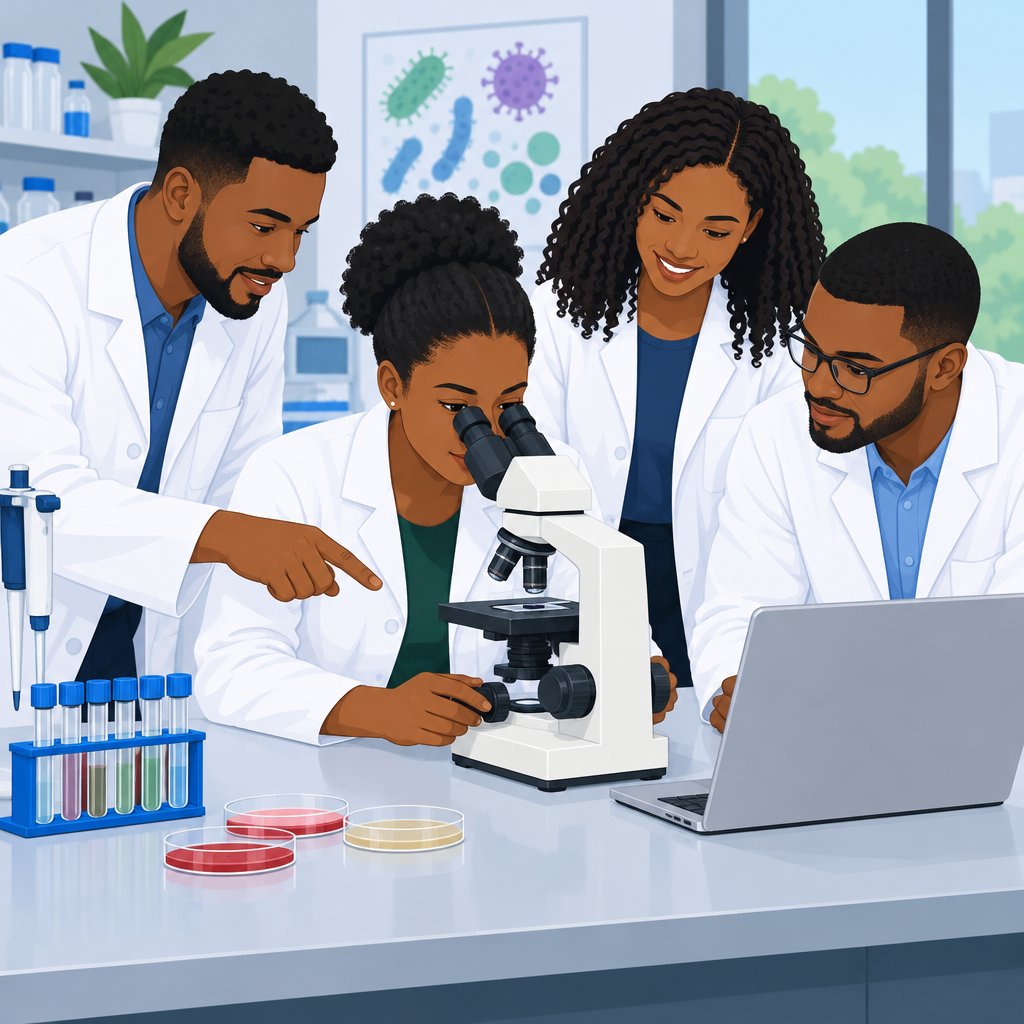
One important achievement involves establishing microbiology research centers and laboratories across Nigeria.
These facilities strengthen microbiologists’ capacity to conduct advanced research.
They also improve the resources available for scientific investigation and training.
Policy Advocacy and Continuing Influence
Associations advocate policies and initiatives that support microbiology’s growth and development.
They engage government agencies, academic institutions, and industry stakeholders in this effort.
Through these relationships, they promote microbiology’s importance across various sectors.
Their combined efforts have advanced research, strengthened education, and raised awareness.
They have therefore helped shape the development of microbiology in Nigeria.
Their progress demonstrates the dedication and commitment of Nigerian microbiologists.
Nigerian Society for Microbiology
NSM is a professional organization dedicated to promoting microbiology study and advancement in Nigeria.
It brings together microbiologists from various fields to collaborate, share research, and strengthen the discipline.
Additionally, the society supports microbiology’s contribution to national development.
Mission and Goals
NSM fosters excellence in microbiology research, education, and professional practice throughout Nigeria.
The society provides platforms for networking, knowledge exchange, and professional development.
It also promotes public awareness of microbiology’s importance in healthcare, agriculture, and environmental conservation.
Membership Benefits and Activities
Members gain networking opportunities, professional development resources, and research collaboration opportunities.
They can attend conferences, workshops, and training programs organized by the society.
Furthermore, NSM publications and newsletters keep members informed about microbiology developments.
Projects and Initiatives
NSM undertakes research collaborations with universities and research institutions.
Transform Your Career with Expert Guidance
Get personalized mentorship consulting that’s tailored to your unique path. Our expert advice is actionable and exclusive.
Get StartedIt also conducts public outreach programs that promote microbiology education.
Moreover, advocacy efforts support policies benefiting Nigeria’s microbiology community.
NSM organizes conferences, seminars, and symposiums for researchers to exchange ideas and build collaboration.
Through these activities, NSM helps microbiologists connect, learn, and contribute to Nigeria’s scientific progress.
Uncover the Details: Medical Ethics and Laws in Nigeria: Essential Knowledge
Collaborations with International Microbiology Associations
International partnerships help Nigerian microbiologists exchange knowledge with global peers.
These relationships provide access to current research and emerging developments in microbiology.
They also help researchers remain informed about international trends and expertise.
- Partnerships with global microbiology associations support knowledge exchange.
- International associations can organize joint research projects and conferences.
- Collaboration provides valuable benefits for Nigerian microbiologists.
Partnerships with Global Microbiology Associations for Knowledge Exchange
Global partnerships connect Nigerian microbiologists with a broad pool of knowledge and expertise.
Researchers can access current advancements and cutting-edge studies through these collaborative relationships.
Consequently, they can follow global trends and strengthen their understanding of microbiology.
Joint Research Projects and Conferences with International Associations
Joint research projects enable Nigerian microbiologists to participate in international scientific initiatives.
Conferences create opportunities for cross-cultural exchange and resource sharing.
Furthermore, collaborative work encourages interdisciplinary research and introduces new methodologies.
Benefits of Collaboration for Nigerian Microbiologists
International collaboration can strengthen research output among Nigerian microbiologists.
It can also increase their visibility within the scientific community.
Additionally, these partnerships create connections that support funding, publications, and career advancement.
See Related Content: Success Stories in Nigerian Restorative Dentistry
Role of Microbiology Societies in Education and Training
- Support for microbiology students and researchers
- Workshops, seminars, and conferences for skill development
- Promotion of microbiology research and innovation
Microbiology societies strengthen education and training for students and researchers.
They connect learners and professionals with resources, mentorship, and networking opportunities.
These forms of support help members pursue academic and professional goals.
Furthermore, societies organize workshops, seminars, and conferences for skill development.
These events introduce participants to recent developments in microbiology.
They also help members build professional connections and develop practical skills.
Additionally, societies promote research and innovation through funding, grants, and awards.
These opportunities support groundbreaking research projects and encourage members to pursue investigations.
By supporting research activities, societies contribute to microbiology’s growth and development.
Through education, training, and collaboration, microbiology societies help members advance the scientific discipline.
Their initiatives give students and researchers resources that support continued professional development.
Uncover the Details: Work-Life Balance for Nigerian Anaesthesiologists
Advocacy and Policy Influence
- Microbiology associations play a vital role in shaping government policies related to the field.
- They advocate for funding, resources, and support for research and programs that benefit public health.
- Additionally, associations address public health challenges by advocating and conducting research to find solutions.
- They work to influence policies that promote ethical standards and best practices in microbiology.
- By collaborating with government agencies, microbiology associations help ensure that policies remain evidence-based and effective.
Gain More Insights: Government Policies on Child Health in Nigeria
Future Prospects for Nigerian Microbiology
Nigerian microbiology associations and societies advance research, education, and professional development across the field.
These organizations foster collaboration, knowledge exchange, and networking opportunities for microbiologists in Nigeria.
Therefore, stakeholders should support and actively participate in these associations and societies.
Such participation can promote microbiology’s growth and development in Nigeria.
Institutions and government bodies should invest in these organizations to support a sustainable future for microbiology in Nigeria.
With strong associations and societies, microbiology in Nigeria can achieve discoveries, innovations, and advancements.
Additional Resources
Google search results for Nigerian Microbiology Associations and Societies Medical
Bing search results for Nigerian Microbiology Associations and Societies Medical


