




Introduction
Chemical pathology, also known as clinical biochemistry, studies biochemical processes in the body.
It helps diagnose and manage diseases.
In Nigerian medicine, chemical pathology supports disease diagnosis, treatment, and monitoring.
Role in Disease Diagnosis
- Chemical pathology detects biochemical imbalances that may indicate disease.
- By analyzing blood and urine samples, chemical pathologists diagnose metabolic disorders.
These disorders include diabetes, lipid disorders, and inherited metabolic diseases.
Therefore, chemical pathology supports accurate diagnosis and management of various medical conditions in Nigeria.
Monitoring Treatment Progress
Chemical pathology helps healthcare providers monitor treatment progress in Nigerian medicine.
Providers track biochemical changes to assess how patients respond to medications and other interventions.
They use these results to guide timely treatment decisions and support desired clinical outcomes.
Tracking Changes in the Biochemical Profile
Regular biochemical testing shows whether treatment produces the expected changes in the patient’s body.
Healthcare providers compare results over time to evaluate treatment effectiveness.
This monitoring also helps providers recognize unexpected biochemical changes during care.
Adjusting Treatment Based on Results
Healthcare providers use biochemical results to make informed treatment adjustments.
They may optimize medication dosages, change therapies, or introduce additional interventions.
These decisions help providers tailor treatment to each patient’s changing clinical needs.
Benefits of Chemical Pathology in Treatment Monitoring
Chemical pathology improves treatment planning by providing biochemical information for clinical decisions.
It also helps providers identify deviations from expected values and respond proactively.
Consequently, treatment monitoring can reduce risks and support improved patient outcomes.
- Ensures precision in treatment planning
- Reduces the risk of adverse reactions
- Improves patient outcomes
By integrating biochemical results into care, providers can maximize therapeutic benefits while minimizing potential risks.
Continuous evaluation allows timely adjustments that optimize treatment responses.
Therefore, chemical pathology remains essential for precise and responsive treatment monitoring in Nigerian medicine.
You Might Also Like: Job Opportunities for Radiographers in Nigeria
Preventative Care Through Biochemical Screening
Chemical pathology supports preventative medicine through biochemical screening.
Healthcare providers can identify disease risks by examining relevant biochemical markers.
Early identification allows providers to develop prevention strategies before conditions progress.
Additionally, routine blood tests can reveal underlying conditions during their early stages.
- Screening supports early detection of potential health problems.
- Biochemical markers help identify individuals who face increased disease risks.
Personalized Treatment Decisions
Chemical pathology provides information that helps healthcare providers select appropriate treatment plans.
Biochemical results show how patients respond to medications and other treatments.
Therefore, providers can choose effective and safe options for individual patients.
Moreover, biochemical profiles support personalized medicine by matching treatments to patient needs.
This approach can improve treatment effectiveness and reduce the risk of adverse reactions.
- Biochemical findings guide appropriate treatment planning.
- Patient responses help providers optimize medication choices.
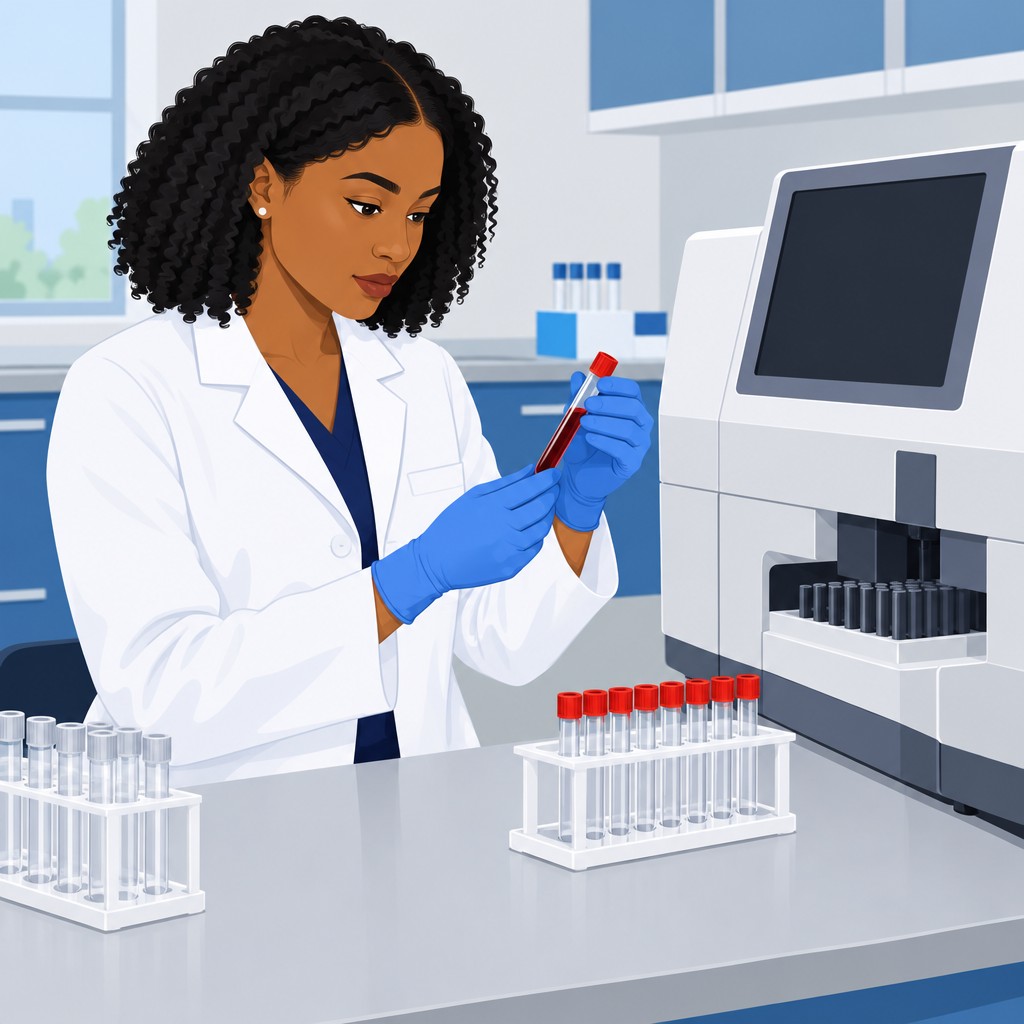
Research and Diagnostic Innovation
Chemical pathology contributes valuable biochemical data to medical research.
Researchers use these data to study diseases and understand their underlying mechanisms.
These investigations can produce new insights into disease processes.
Furthermore, ongoing research supports innovations in diagnostic techniques and treatment approaches.
New technologies can improve the accuracy and efficiency of healthcare decisions.
- Biochemical data support studies of various diseases.
- Research encourages improved diagnostic and treatment methods.
Strengthening Patient Care in Nigeria
These applications make chemical pathology an important part of Nigerian medicine.
Preventative screening helps healthcare providers address risks before serious illness develops.
Evidence from biochemical testing also supports safer and more individualized patient care.
Research and innovation further strengthen healthcare practice and future medical progress.
You Might Also Like: Dietetic Services in Nigerian Hospitals and Clinics
Transform Your Career with Expert Guidance
Get personalized mentorship consulting that’s tailored to your unique path. Our expert advice is actionable and exclusive.
Get StartedResearch and Innovation
Chemical pathology plays a crucial role in Nigerian medicine through research and innovation.
It advances medical knowledge by examining biochemical processes linked to diseases and conditions.
These efforts support improved diagnostic procedures and treatment options for patients across Nigeria.
- Contributing to medical research
- Developing new diagnostic tests and treatments
Contributing to Medical Research
Chemical pathologists lead research that advances medical knowledge in Nigeria.
They conduct studies that examine biochemical processes underlying various diseases and conditions.
Their findings provide valuable insights that can support future treatments.
Developing Diagnostic Tests and Treatments
Through research, chemical pathologists develop innovative diagnostic tests and treatments.
These advancements help healthcare professionals diagnose and treat diseases more effectively.
Consequently, patients in Nigerian hospitals and clinics can experience better outcomes.
Uncover the Details: Medical Laboratory Science and Public Health
Collaboration Across Medical Specialties
Chemical pathology plays a crucial role in Nigerian medicine through collaboration with several medical specialties.
It connects laboratory findings with clinical decisions and broader patient care.
These partnerships support accurate diagnosis, treatment planning, and healthcare improvement.
- Chemical pathologists work with pathologists, clinicians, and other healthcare providers.
- They provide valuable insight into patient care.
Collaboration with Pathologists
Chemical pathologists work closely with anatomical pathologists during diagnostic assessment.
They correlate biochemical findings with histological data to support accurate diagnoses.
This cooperation provides a more complete view of each patient’s disease process.
Collaboration with Clinicians
Chemical pathologists help clinicians interpret laboratory results within each patient’s clinical presentation.
They connect test findings with clinical information during patient assessment.
This collaboration supports evidence-based decisions about patient management and treatment strategies.
Collaboration with Other Healthcare Providers
Chemical pathologists also work with nurses, pharmacists, and other healthcare professionals.
They provide guidance on laboratory test selection and result interpretation.
They also support monitoring of therapeutic interventions to optimize patient care.
Insights That Support Patient Care
Chemical pathology identifies and monitors biomarkers associated with disease.
It helps healthcare providers assess treatment responses and anticipate potential adverse events.
These insights guide clinicians when they tailor treatment plans to individual patients.
Explore Further: Career Opportunities in Chemical Pathology Nigeria
Chemical Pathology and Better Health Outcomes in Nigeria
Chemical pathology plays a crucial role in diagnosing and monitoring diseases in Nigeria.
It provides vital information for treatment decisions and patient management.
It helps clinicians detect abnormalities in body fluids, enabling early intervention.
It also helps clinicians assess liver, kidney, and endocrine function.
Furthermore, accurate chemical pathology tests support timely treatment decisions.
These tests can help reduce morbidity and mortality by identifying diseases early.
Chemical pathology also improves healthcare quality by guiding personalized treatment plans.
It strengthens patient management by providing relevant information for clinical decisions.
Consequently, chemical pathology remains an essential part of Nigeria’s healthcare system.
It supports better health outcomes for Nigerians through reliable laboratory information.
Additional Resources
Google search results for Importance of Chemical Pathology in Nigerian Medicine Health Sciences
Bing search results for Importance of Chemical Pathology in Nigerian Medicine Health Sciences


