




Hydrology in Agricultural Engineering
Hydrology studies water and its movement, distribution, and quality in the environment.
In agricultural engineering, this knowledge supports irrigation system design.
Therefore, engineers can pursue optimal water usage in agriculture.
Water Resources in Agriculture
Water resources support crop production.
They also provide water for livestock.
Additionally, farms depend on them for overall sustainability.
Sustainable Water Management
Farmers need hydrological knowledge to manage water resources efficiently.
Without that knowledge, farmers may face difficulties managing water effectively.
Consequently, hydrology and water resources support sustainable water usage in agricultural engineering.
Principles of Hydrology
Hydrology examines how water enters, moves through, and leaves a given system.
Water balance connects precipitation, evaporation, transpiration, and runoff within the water cycle.
Therefore, these principles help agricultural engineers manage water resources effectively.
- Rain gauges measure and record precipitation.
- Pan evaporation techniques estimate water loss from open surfaces.
- Streamflow measurements determine runoff within a watershed.
- Soil type and land use can change runoff patterns.
- Slope, vegetation cover, and land use influence water movement through soil.
Water Balance in Agricultural Systems
Water balance describes the relationship between incoming and outgoing water within a system.
Precipitation supplies water, while evaporation and transpiration remove water from the system.
Consequently, changes in precipitation, evaporation, or runoff can disrupt regional water conditions.
Understanding these relationships supports sustainable water management in agriculture.
Measuring Precipitation, Evaporation, and Runoff
Rain gauges collect rainfall and provide records for hydrological analysis.
Meanwhile, pan evaporation methods estimate water loss under open-area conditions.
Streamflow data reveals the amount of runoff moving through rivers and streams.
Together, these measurements help assess water availability for agriculture.
Factors Affecting Water Movement Through Soil
Soil permeability, texture, structure, and compaction influence how water moves underground.
Furthermore, slope gradient affects the direction and speed of water movement.
Vegetation cover can increase infiltration and influence evapotranspiration.
Agriculture, construction, and urbanization can also alter soil properties and water movement.
Sustainable Water Management in Agriculture
Effective hydrological management depends on understanding water inputs, outputs, and movement.
Accurate measurements help agricultural practitioners evaluate available water resources.
Additionally, conserving water and improving efficiency supports long-term agricultural sustainability.
These practices also help protect natural ecosystems from unnecessary water loss.
Application of Hydrology in Agricultural Engineering
Hydrology helps agricultural engineers manage water resources for crop production and sustainability.
It supports decisions about irrigation, crop planting, and water allocation.
The following applications improve agricultural water management and support healthy crop growth.
Hydrological Models for Predicting Water Availability
- Hydrological models help predict available water for agricultural purposes.
- These models use precipitation, soil characteristics, land use, and other factors to estimate water supplies.
- By analyzing historical trends and current conditions, models guide irrigation schedules and crop planting.
- Consequently, farmers can make informed decisions about water use and resource allocation.
Hydrology in Irrigation System Design
Hydrology guides engineers in designing irrigation systems that optimize water use and crop production.
Engineers assess soil type, climate, and crop growth stages when determining water requirements.
They also consider infiltration rates and evapotranspiration when planning water delivery.
- Efficient designs deliver water effectively to plants.
- Proper irrigation design minimizes water waste and reduces runoff.
- Furthermore, these systems maintain adequate moisture for plant growth.
Soil Moisture Monitoring in Agriculture
Soil moisture monitoring helps farmers manage agricultural water more effectively.
Measurements show farmers when crops need water and how much water to apply.
Therefore, monitoring prevents overwatering and underwatering that can stress crops.
- Accurate measurements support efficient water use.
- They also promote healthy plant growth and conserve water resources.
- As a result, farmers can maintain suitable moisture conditions for crops.
Sustainable Water Management for Crop Production
These applications help farmers use water resources efficiently during crop production.
Hydrological models support planning, while irrigation design improves water delivery.
Meanwhile, soil moisture monitoring helps farmers maintain suitable conditions for plant growth.
Transform Your Career with Expert Guidance
Get personalized mentorship consulting that’s tailored to your unique path. Our expert advice is actionable and exclusive.
Get StartedTogether, these practices improve agricultural management and support sustainable water use.
See Related Content: Success Tips for Agricultural Engineering Students
Water Management Practices in Agriculture
Water management practices help farmers use water sustainably in agriculture.
Farmers can improve water efficiency, increase crop yields, and reduce environmental impacts through careful planning.
Additionally, these practices support long-term agricultural productivity where water resources remain limited.
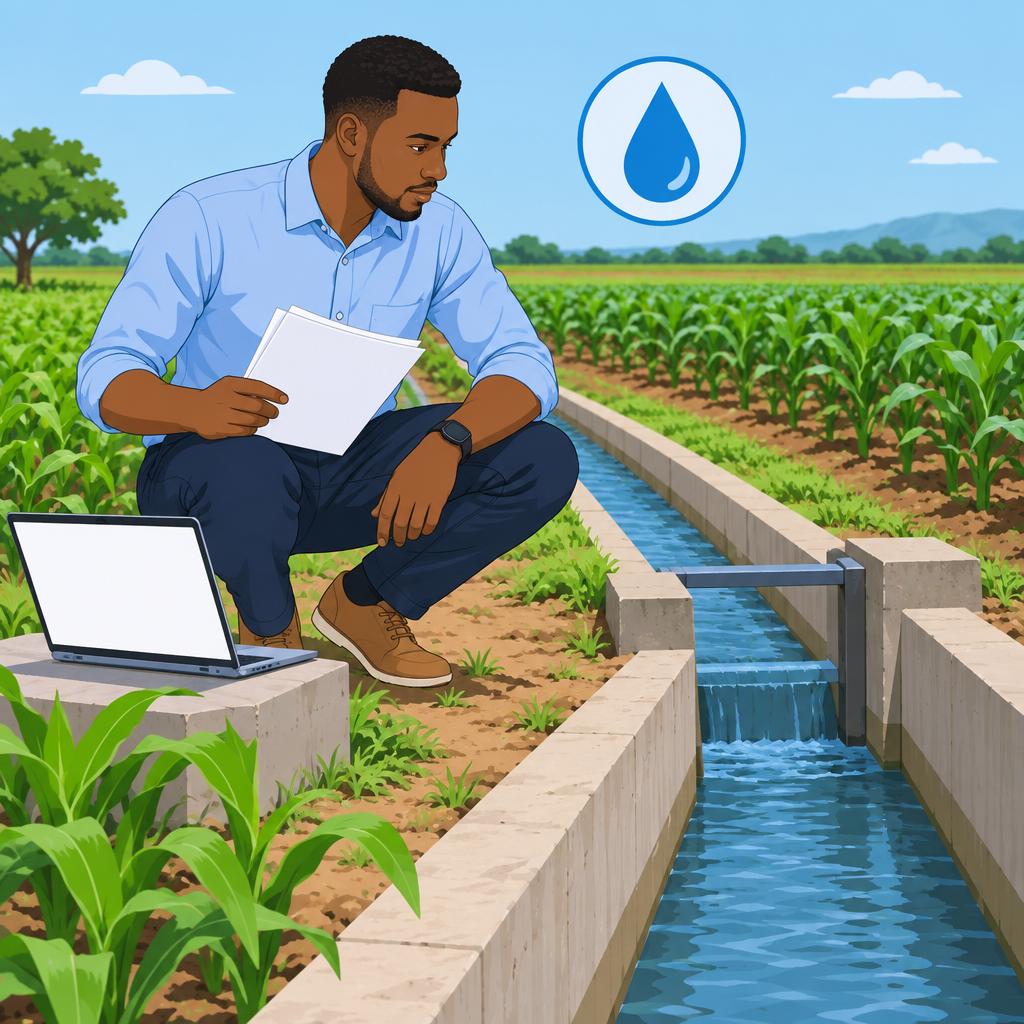
Importance of Water Management Practices
- Efficient water management helps farmers use available water effectively, especially in water-scarce regions.
- Moreover, proper irrigation scheduling gives crops needed water at suitable times and reduces waste.
- These practices also protect soil by limiting erosion and supporting soil health.
- Finally, drip irrigation and rainwater harvesting can reduce production costs and improve farm profitability.
Water Conservation Techniques in Sustainable Agriculture
- Mulching, cover cropping, and soil moisture monitoring retain soil moisture and reduce water loss.
- Furthermore, proper drainage prevents waterlogging and distributes water efficiently across crop areas.
- Farmers can also recycle and reuse water to strengthen conservation efforts.
- Sustainable systems use water-efficient crop varieties and cropping patterns that require fewer water inputs.
Climate Change and Agricultural Water Resources
- Climate change alters precipitation patterns and increases variability in agricultural water availability.
- Additionally, rising temperatures accelerate evaporation and increase irrigation demand.
- Droughts and floods create further challenges for agricultural water management.
- Therefore, climate-resilient strategies, including water harvesting and storage, help farmers manage unpredictable supplies.
Long-Term Agricultural Water Stewardship
Effective water management supports sustainable agriculture and protects water resources for future generations.
By conserving water and adapting to climate conditions, farmers can improve efficiency and crop yields.
These actions also help farmers protect the environment while maintaining long-term agricultural viability.
You Might Also Like: Agricultural Engineering Conferences and Workshops
Challenges Facing Hydrology and Water Resources in Agricultural Engineering
Water scarcity and pollution create major challenges for hydrology and water resources in agricultural engineering.
Limited supplies and contaminated sources threaten sustainable agricultural practices.
These conditions can reduce agricultural productivity and restrict crop yields.
Many regions face water scarcity while agriculture remains vital to their economies.
Insufficient water access hinders irrigation and other agricultural activities.
As a result, farmers may experience lower productivity and reduced crop yields.
Pollution also threatens water sources used for agricultural purposes.
Agricultural runoff can introduce chemical pollutants into surrounding water systems.
Industrial activities can further degrade water quality.
Contaminated water can harm crops, livestock, and people who consume it.
Deforestation creates another challenge for hydrology and water resources.
Clearing forests for agriculture or other purposes disrupts natural water balances.
Trees absorb soil water and release it into the atmosphere through transpiration.
Therefore, deforestation can reduce watershed water availability and affect agricultural resources.
Effective water resource management can address these challenges and support sustainable agriculture.
Farmers can use drip irrigation and rainwater harvesting to optimize available supplies.
Moreover, best management practices can reduce pollution and limit water waste.
These actions help protect water quality and quantity for agricultural use.
Finally, collaboration among stakeholders can strengthen agricultural water management strategies.
Farmers, policymakers, researchers, and water managers can develop practical responses together.
Such cooperation can help preserve clean water for agriculture and future generations.
Explore Further: Trends in Agricultural Engineering Education in Nigeria
Technological Advancements in Water Resource Management
Technology now strengthens agricultural water management.
These tools improve water collection, storage, and distribution for agricultural purposes.
Farmers can use timely information to guide irrigation and conserve water supplies.
- Remote sensing technology uses satellites and drones to assess water availability, soil moisture, and crop health.
- Smart irrigation systems use sensors and weather data to adjust application rates, reducing waste and supporting crop yields.
- Data analytics examines water-use data to reveal trends, optimize management, and minimize waste.
- Mobile applications provide weather forecasts, irrigation schedules, and usage monitoring for timely conservation decisions.
Importance of Sustainable Water Management Practices
Sustainable management preserves water resources for future generations.
It also supports food security, reduces pollution, and improves ecosystem health.
Furthermore, these practices help agriculture respond to changing climatic conditions.
- Rainwater harvesting, drip irrigation, and soil moisture monitoring conserve water and reduce groundwater dependence.
- Proper management limits agricultural chemical and fertilizer runoff, protecting water bodies and aquatic ecosystems.
- Sustainable practices maintain water levels, reduce sedimentation, preserve biodiversity, and support ecological balance.
- Efficient water use helps farmers adapt to climate change and changing water availability.
Potential Solutions for Agricultural Water Challenges
Agriculture needs coordinated solutions to address water challenges.
Technology, policy, and community participation can work together to support sustainable management.
These approaches can increase available supplies and encourage efficient water use.
- Water recycling and reuse systems treat wastewater for irrigation, reducing demand for fresh water.
- Drought-resistant crops need less water and suit arid regions.
- Usage-based water pricing can encourage efficient practices and responsible conservation.
- Community engagement encourages shared responsibility among farmers, researchers, and policymakers.
Technology, sustainable practices, and innovative solutions can strengthen agricultural water management.
These efforts protect water resources, support food security, and safeguard the environment.
Explore Further: Soil and Water Conservation Techniques in Engineering
Sustainable Water Strategies for Agricultural Resilience
Hydrology and water resources remain essential to sustainable agricultural engineering.
Agricultural engineers must connect water availability with farm productivity when planning resilient food systems.
Efficient irrigation can reduce waste while supporting reliable crop production.
Rainwater harvesting and drip irrigation conserve supplies and strengthen farms against changing water conditions.
These methods can also reduce agriculture’s vulnerability to climate change.
Researchers should continue developing practical techniques that protect food security and environmental sustainability.
Scientists, engineers, and policymakers can collaborate to create workable water management strategies.
Their cooperation can align technical solutions with agricultural needs and conservation goals.
Moreover, awareness programs can encourage stakeholders to prioritize responsible water use.
Farmers and other stakeholders can adopt suitable technologies when guidance remains clear and accessible.
Collective commitment can build a more water-efficient agricultural sector for future generations.
Additional Resources
Google search results for Hydrology and Water Resources in Agricultural Engineering Engineering
Bing search results for Hydrology and Water Resources in Agricultural Engineering Engineering