




Introduction
Community-based ecological projects play a crucial role in Nigeria by promoting sustainable development and conservation.
These projects focus on addressing environmental issues such as deforestation, pollution, and biodiversity loss at the local level.
Implementing such projects in Nigeria comes with unique challenges like limited funding, lack of technical expertise, and community engagement.
Overview of Community-Based Ecological Projects
Community-Based Ecological Projects involve local people in the conservation of natural resources.
They promote environmental stewardship and support local livelihoods through participation.
These initiatives use participatory and inclusive approaches to address environmental challenges.
Definition and Explanation of What Community-Based Ecological Projects Entail
They are initiatives that engage local communities in conserving natural resources.
Furthermore, these projects promote stewardship and improve livelihoods through inclusive participation.
Community members participate in decisions and implementation to increase local ownership.
Examples of Successful Projects in Nigeria and Their Impact on the Environment and Communities
The following examples illustrate community-based ecological efforts in Nigeria.
Each example shows collaboration between communities and other stakeholders.
The listed projects address pollution, reforestation, and waste management.
- The Ogoni Clean-up Project aims to remediate polluted land and water in Ogoniland.
- The Greening Nigeria Project focuses on tree planting and sustainable agriculture with local farmers.
- The Lagos Waste Management Project promotes recycling, segregation, and community awareness.
Importance of Involving Local Communities in Decision Making and Implementation
Involving local communities is crucial for project sustainability and long term success.
When communities participate, they develop ownership and responsibility for outcomes.
Additionally, including local stakeholders builds trust and fosters cooperation.
This collaboration supports environmental conservation and enhances community resilience.
Types of Community-Based Ecological Projects in Nigeria
This section lists common project types implemented across Nigeria.
They address varied environmental challenges in different regions.
Examples include reforestation, waste management, and sustainable agriculture.
- Reforestation involves planting trees to restore depleted forests.
- Waste management focuses on reducing and properly disposing of waste.
- Sustainable agriculture promotes environmentally friendly long term farming practices.
Case Studies
Northern Nigeria hosted a reforestation project to combat desertification and soil erosion.
In the Niger Delta, a waste management project helped reduce pollution in waterways.
A sustainable agriculture project in the Southwest improved crop yields and preserved soil quality.
- Northern Nigeria hosted a successful reforestation project to combat desertification and soil erosion.
- In the Niger Delta, a waste management project reduced pollution in waterways.
- A sustainable agriculture project in the Southwest improved crop yields and preserved soil quality.
Benefits of Diversifying Project Types
Diversifying project types helps communities address multiple environmental issues simultaneously.
This approach creates a more holistic strategy for local sustainability efforts.
Engaging in varied projects can increase local involvement and project support.
- Diversification lets communities address multiple environmental issues at once.
- Different regions face unique ecological challenges that require varied project types.
- A variety of projects can increase community involvement and improve outcomes.
Implementing a range of community-based ecological projects advances environmental sustainability in Nigeria.
It helps preserve natural resources for future generations.
Delve into the Subject: Cutting-Edge Science Disciplines in Nigeria: Fields That Are Thriving
Challenges Faced by Community-Based Ecological Projects in Nigeria
Community-based ecological projects in Nigeria face several challenges.
These obstacles hinder successful implementation and reduce project impact.
They affect planning, execution, and long-term sustainability.
Lack of Funding and Resources for Project Implementation
Many projects struggle to secure adequate funding and resources.
Consequently, delays and incomplete implementation often occur.
Without funds, projects cannot obtain essential tools and equipment.
Limited Technical Expertise and Knowledge Among Community Members
Community members often lack technical expertise for ecological practices.
Projects frequently rely on volunteers and local participants.
Consequently, teams struggle to implement sustainable and impactful activities.
Political and Social Barriers to Community Engagement and Participation
Political and social barriers discourage community engagement and participation.
Barriers include government regulations, bureaucratic red tape, and community conflict.
Lack of trust and political interference can disrupt collaboration and progress.
Transform Your Career with Expert Guidance
Get personalized mentorship consulting that’s tailored to your unique path. Our expert advice is actionable and exclusive.
Get StartedApproaches to Address Project Challenges
Addressing funding limitations can enable more consistent project implementation.
Providing technical training and ongoing support helps community members develop necessary skills.
Additionally, fostering a supportive political and social environment improves collaboration.
Together, these actions increase the projects’ ability to conserve environments and support communities.
Delve into the Subject: Innovations in Nigerian Applied Botany Studies
Importance of partnerships with NGOs, government agencies, and the private sector
Collaborating with non-governmental organizations, government agencies, and private companies can provide valuable resources, expertise, and funding for ecological projects.
NGOs often have the experience and networks to support community initiatives.
Government agencies can provide regulatory guidance and access to governmental resources.
Engaging with the private sector can also offer financial support and technology.
It can provide business acumen to enhance project sustainability and impact.
Capacity building and training for community members on project management and technical skills
Investing in training programs for community members is crucial to build their capacity.
Such training empowers them to lead and manage ecological projects effectively.
Providing education on project management and technical skills enables community members to take ownership of projects.
Education on environmental conservation practices helps ensure their long-term success.
Training sessions can be tailored to the specific needs of each community.
Tailored training helps them develop skills and confidence to address challenges.
It also supports implementation of sustainable solutions.
Advocacy and community mobilization to raise awareness and support for projects
Advocacy efforts play a vital role in generating awareness about ecological projects.
They also mobilize community support for project implementation and success.
Engaging with local stakeholders, community leaders, and influencers can help raise awareness.
This awareness can highlight the importance of conservation and project benefits.
Involving community members in advocacy campaigns fosters a sense of ownership and responsibility.
That involvement leads to greater support and participation from the community.
Uncover the Details: Exploring Applied Biology Through Online Courses
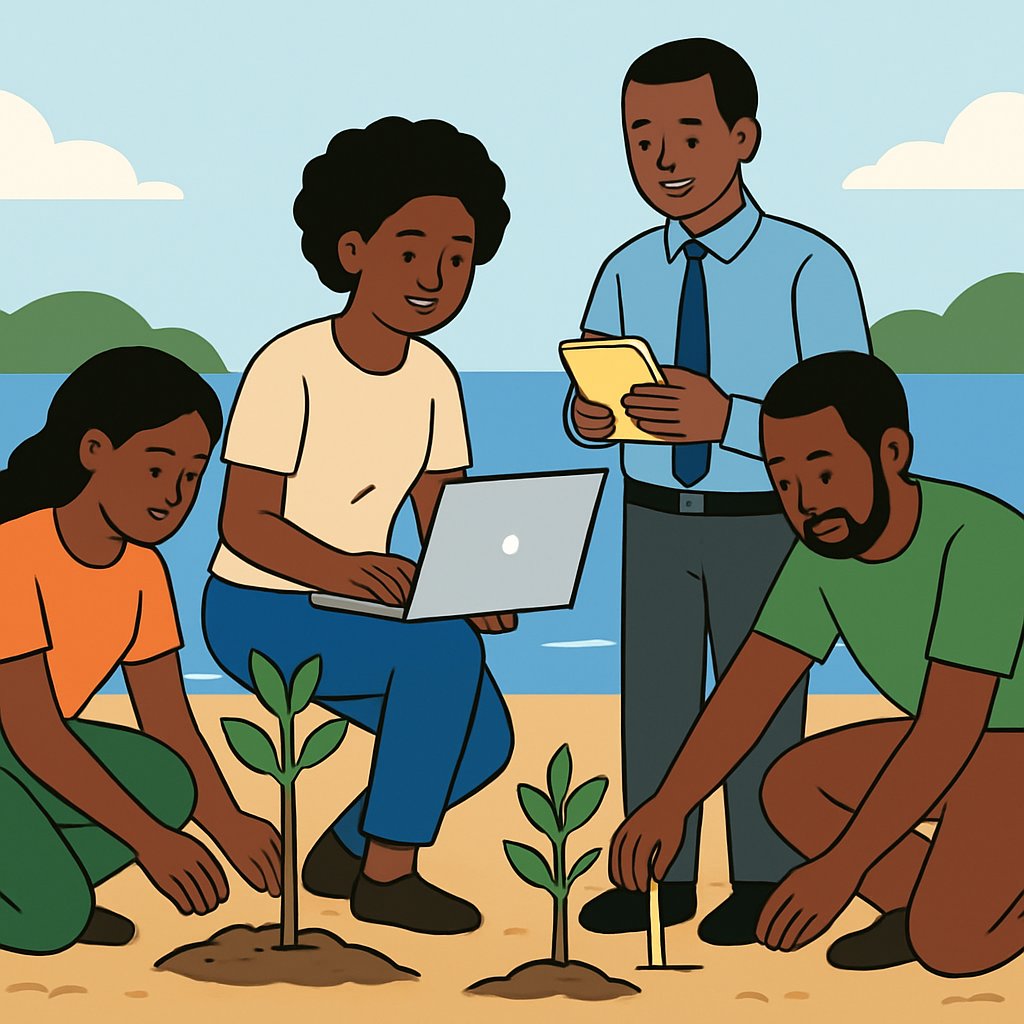
How Community-Based Ecological Projects Contribute to Sustainable Development
Community-based ecological projects promote environmental conservation.
They enhance biodiversity and improve local quality of life.
These projects engage residents in reforestation, waste management, and natural resource conservation.
Case Studies Illustrating the Benefits of Community-Based Ecological Projects
This section highlights social, economic, and environmental project benefits.
Examples show how practices deliver practical gains for communities.
Case summaries illustrate health, income, and ecosystem improvements.
- Social benefits include better health from clean water, sanitation, and rainwater harvesting.
- Economic benefits include income from agroforestry, beekeeping, and eco-tourism.
- Environmental benefits include reforestation, habitat protection, and increased carbon sequestration.
Importance of Long-Term Monitoring and Evaluation
Long-term monitoring assesses project impacts over time.
It helps managers identify improvements and adapt interventions.
Monitoring tracks biodiversity, ecosystem health, and community well-being indicators.
Synthesis of Community Project Outcomes
Community-based ecological projects in Nigeria positively impact sustainable development.
They promote environmental conservation, improve livelihoods, and enhance ecosystem health.
Case studies and monitoring help stakeholders plan future sustainability initiatives.
Gain More Insights: Nigerian Journals Publishing Chemical Science Research
Importance of Government Support and Funding
Government agencies provide policies that enable community ecological projects.
They allocate funding to sustain local conservation activities.
Furthermore, public support helps scale successful initiatives across regions.
Role of NGOs in Providing Technical Assistance
NGOs offer technical guidance to communities implementing ecological projects.
They train local teams on best practices and practical methods.
Additionally, NGOs adapt tools to fit community needs and conditions.
Capacity Building by NGOs
NGOs deliver training that builds local skills and knowledge.
They organize workshops and hands-on activities for skill development.
Moreover, training supports long-term project sustainability at community level.
Networking Opportunities Provided by NGOs
NGOs connect communities with peer groups and resource organizations.
These connections enable sharing of practical lessons and tools.
Furthermore, networks create collaboration channels for joint project activities.
Collaboration Between Stakeholders
Stakeholders include government agencies, NGOs, and community members.
They coordinate to share resources and align project plans.
Moreover, joint efforts help scale effective community initiatives more efficiently.
Replication of Best Practices
Stakeholders identify successful methods from local projects.
They adapt and replicate these practices in similar contexts.
Additionally, replication supports the long-term sustainability of initiatives.
Role of Community-Based Ecological Projects in Nigeria
These initiatives play a crucial role in promoting environmental sustainability.
Local residents join efforts to conserve natural resources.
Projects support sustainable practices that address environmental challenges.
Key Points Recap
Moreover, projects encourage local participation in conservation efforts.
Additionally, they address environmental challenges while promoting sustainable practices.
Furthermore, they empower communities to take ownership of natural resources.
- Community-based projects involve local participation in conservation efforts.
- These projects address environmental challenges and promote sustainable practices.
- They empower communities to take ownership of natural resources.
Calls for Stakeholder Support
We urge stakeholders to increase support and investment in community-based ecological projects in Nigeria.
Such support will help ensure long-term success and greater project impact.
Therefore, stakeholders should prioritize sustained backing and collaboration.
Potential Community and Environmental Benefits
These projects can empower local communities and foster sustainable development.
They also contribute significantly to environmental conservation efforts in Nigeria.
Together, stakeholders and communities can work to make a real difference.
Additional Resources
Google search results for Community-Based Ecological Projects in Nigeria Sciences
Bing search results for Community-Based Ecological Projects in Nigeria Sciences


