




Introduction to Zoology
Definition of Zoology: Zoology is the scientific study of animals and their behavior.
Relevance to Agriculture: Understanding animal biology supports livestock management and increases agricultural productivity.
Importance to Nigerian Agriculture: Nigerian agriculture benefits greatly from applying zoological knowledge.
Zoological Fields Supporting Nigerian Agriculture
- Zoological study examines animal behavior, physiology, and habitats in Nigeria.
- Entomology, parasitology, and wildlife biology support important agricultural activities.
- The University of Ibadan and the National Institute for Freshwater Fisheries Research conduct zoological research.
Importance of Zoology in Nigerian Agriculture
- Zoologists study agricultural pests, diseases, and biodiversity conservation.
- Entomologists help farmers identify and control insects that damage crops.
- Parasitologists examine livestock parasites that reduce animal health and productivity.
- Wildlife biologists protect wild animals, their habitats, and ecological balance.
Zoological Contributions to Agricultural Practices
- Zoologists develop integrated pest management strategies that reduce harmful chemical use.
- They investigate animal diseases and develop vaccines and treatment protocols.
- These efforts improve livestock health and support more sustainable agriculture.
- Zoological research promotes biodiversity conservation and environmental preservation.
- Farmers can improve soil quality and crop yields while protecting ecosystems.
Challenges and Future Directions
- Limited funding and infrastructure constrain zoological research and education in Nigeria.
- Government, academic, and private sector collaboration can address agricultural challenges.
- Technology and innovation can strengthen research and improve agricultural practices.
- Farmer education can increase understanding of sustainable agriculture and biodiversity conservation.
Impact of Zoology on Nigerian Agriculture
Zoology improves Nigerian agriculture through research and innovation.
Additionally, zoologists promote sustainable agriculture by studying animal behavior and ecosystems.
Research on pest control provides one specific agricultural benefit.
Research and Innovation
Zoological research in Nigeria has supported innovative agricultural practices.
For instance, animal behavior studies have revealed natural pest control methods.
These methods can reduce chemical use while supporting crop production.
Moreover, zoologists examine species interactions to recommend environmentally friendly and cost-effective practices.
The Role of Zoologists in Sustainable Agriculture
Zoologists help farmers maintain balance among animals, plants, and their environment.
They recommend crop rotation, intercropping, and other practices that reduce soil erosion.
These approaches can increase productivity while supporting sustainable agriculture.
Furthermore, zoologists study biodiversity conservation and endangered species.
Such species can help maintain ecological balance within agricultural systems.
Zoological Research Supporting Nigerian Agriculture
One example involves beneficial insects that control crop-damaging pests.
Zoologists have studied natural predators that feed on aphids and caterpillars.
Farmers can release these predators into fields to reduce chemical pesticide use.
Consequently, this approach supports environmentally friendly farming.
Another example concerns bees and other pollinators essential for crop production.
By studying their behavior and habitat needs, zoologists can guide farmers.
Farmers can create suitable environments that support pollinator populations and improve crop yields.
These contributions can enhance crop production, conserve biodiversity, and encourage eco-friendly farming.
Therefore, zoological work supports food security, economic development, and environmental sustainability in Nigeria.
Find Out More: Research Areas in Applied Biology in Nigeria
Biodiversity and Agricultural Resilience
Biodiversity strengthens agriculture by providing diverse plant and animal species that support resilient ecosystems.
It also supports soil fertility and nutrient cycling, which help crops grow.
Moreover, beneficial insects control pests, while diverse plants improve pollination, crop yields, and quality.
- Biodiversity helps maintain soil fertility and nutrient cycling for crop growth.
- It promotes beneficial insects that prey on agricultural pests.
- Diverse plants enhance pollination, which increases crop yields and quality.
Zoological Research and Biodiversity Conservation
Zoological studies support biodiversity conservation by documenting animal species and their ecological roles.
Researchers examine animal behavior and habitat requirements to guide species preservation.
Additionally, zoologists study species relationships and identify animals that face extinction risks.
- Zoologists study animal behavior and habitat needs to support species preservation.
- They examine relationships between species and their effects on ecosystem functioning.
- Their research identifies species at risk and helps prioritize conservation efforts.
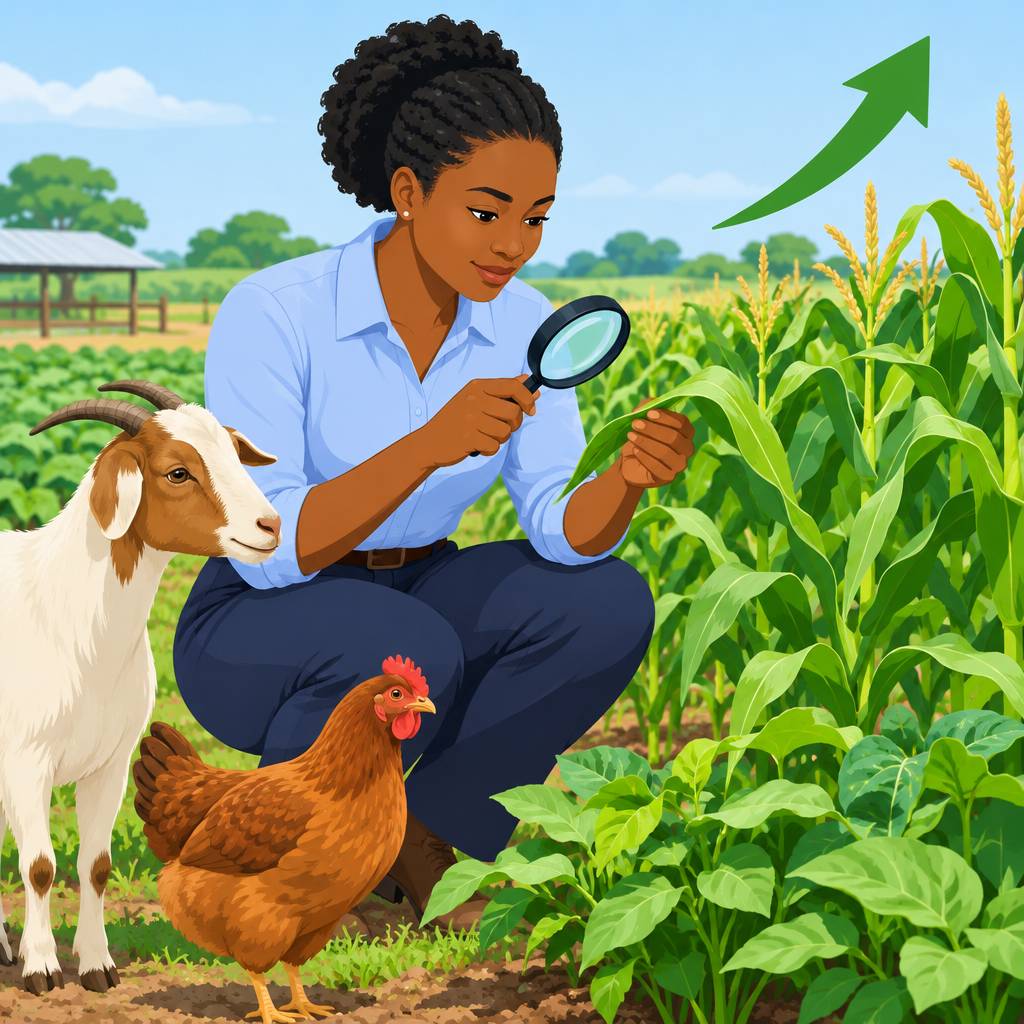
Biodiversity Conservation and Nigerian Agriculture
Preserving biodiversity in Nigeria directly supports the country’s agricultural sector.
Protected plant diversity provides genetic resources for developing resilient crop varieties.
Furthermore, conserving pollinators and natural predators strengthens food security and reduces pesticide dependence.
- Protecting diverse plants supports crop varieties resistant to diseases and climatic changes.
- Conserving bees and butterflies supports fruit and vegetable production.
- Maintaining predator and prey balance controls pests naturally and reduces chemical pesticide use.
You Might Also Like: Famous Geological Sites to Visit in Nigeria
Pest Management and Zoology
- Zoologists study pest behavior and lifecycles to support effective management strategies.
- This knowledge helps agricultural professionals control pest populations more effectively.
- Research and observation reveal weaknesses that pest control methods can target.
Impact of Pest Infestations on Nigerian Agriculture
- Pest infestations damage crops and cause economic losses across Nigerian agriculture.
- Locusts and beetles can destroy entire crops and threaten regional food security.
- Pests also threaten livestock by causing diseases and reducing agricultural productivity.
Successful Pest Control Through Zoological Research
- In Nigeria, zoologists developed biopesticides that target specific pests without harming beneficial insects.
- One case study used insect pheromones to disrupt mating patterns and control pest populations.
- Zoologists introduced natural pest predators into agricultural ecosystems, reducing reliance on chemical pesticides.
Understanding zoology’s role in pest management shows its importance.
This field helps sustain Nigerian agriculture.
Through innovative research and practical applications, zoologists continue improving pest control and agricultural productivity.
Uncover the Details: Job Market Analysis for Applied Botany Graduates
Animal Husbandry and Zoology
Animal husbandry supports agriculture by managing livestock health, care, and productivity.
Transform Your Career with Expert Guidance
Get personalized mentorship consulting that’s tailored to your unique path. Our expert advice is actionable and exclusive.
Get StartedZoology supplies biological knowledge that guides these management activities.
This knowledge connects animal behavior, nutrition, disease control, physiology, and genetics with livestock care.
Importance of Zoology in Animal Husbandry Practices
- Zoology explains biological processes and behaviors among different animal species.
- It clarifies the nutritional needs and dietary requirements of various livestock.
- Zoological studies identify diseases and parasites affecting animals.
- Animal physiology and anatomy support proper livestock handling and care.
- Zoological research guides sustainable and efficient animal management practices.
How Zoological Studies Improve Livestock Health and Productivity
Zoological studies clarify how livestock bodies function and respond to care.
They also help practitioners identify nutritional needs, diseases, parasites, and behavioral signals.
Consequently, managers can improve handling, treatment, welfare, and productivity.
- Animal genetics helps farmers select superior breeding stock with improved traits.
- Behavioral research helps reduce stress and improve livestock welfare.
- Zoological research supports vaccines and medications for animal diseases.
- Nutritional knowledge helps formulate balanced diets for growth and productivity.
- Physiology and anatomy support reproductive health and breeding efficiency.
Advancements in Animal Breeding Techniques
Zoological research has strengthened breeding programs that target valuable livestock traits.
It has also improved reproductive methods that support more efficient animal production.
Furthermore, genetic research helps breeders evaluate variation and select suitable animals.
- Selective breeding programs enhance specific traits in livestock.
- Artificial insemination and embryo transfer benefit from zoological studies.
- Genomic selection and marker-assisted breeding accelerate genetic progress.
- Crossbreeding and hybridization create improved livestock breeds.
- Heritability studies guide breeding decisions for desired outcomes.
Zoology’s Contribution to Sustainable Livestock Production
Zoology connects animal biology with practical livestock management.
Its findings support healthier animals, improved breeding, and more productive husbandry systems.
These contributions benefit Nigerian agriculture and support sustainable livestock productivity.
Explore Further: Biochemical Research Funding in Nigeria
Climate change research connects zoology with Nigerian agriculture.
Zoologists examine ecosystems and agricultural responses to changing environmental conditions.
Their findings can help farmers develop sustainable practices for future food security.
Climate Change and Zoology
Climate change affects agriculture and ecosystems throughout Nigeria.
Zoologists study these effects and identify strategies that can reduce agricultural risks.
This research supports farming methods that respond effectively to changing environmental conditions.
Studying Climate Change Effects
Zoologists observe animal behavior, migration patterns, and population dynamics within changing ecosystems.
These observations reveal how climate change influences ecological relationships.
Farmers can use this knowledge to anticipate future agricultural challenges.
Changing temperatures and rainfall patterns can alter pest and disease distributions.
Zoologists study these shifts to understand how they may damage crops.
Consequently, farmers can introduce preventative measures that protect agricultural production.
Developing Climate-Resilient Agricultural Practices
Zoologists examine interactions among animals, plants, and their surrounding environments.
This knowledge helps them recommend farming methods with greater climate resilience.
Such methods can reduce agriculture’s vulnerability to environmental changes.
Some zoological research examines animal roles in pollination, pest control, and soil health.
Understanding these relationships helps farmers strengthen biodiversity within agricultural systems.
Enhanced biodiversity can support more resilient farming practices.
Climate and Agriculture Research Projects in Nigeria
Research projects in Nigeria examine relationships between climate change and agriculture.
Zoologists contribute important ecological knowledge to these investigations.
Their studies address crop production, pollinators, pests, and wildlife adaptation.
- One project examines how changing rainfall patterns affect crop yields across Nigerian regions.
- Zoologists study how these rainfall changes influence insect populations and crop pests.
- Another project investigates pollinator declines involving bees and butterflies.
- Researchers assess how pollinator losses could affect crop pollination and food security.
- Additional research examines wildlife adaptations to shifting climatic conditions.
- Zoologists evaluate how these adaptations could inform resilient agricultural practices.
Zoology therefore helps Nigerian agriculture respond to climate-related ecological changes.
By studying ecosystem dynamics, zoologists support sustainable farming and future food security.
Zoology and Sustainable Agricultural Development
Zoology supports Nigerian agriculture by examining animal behavior, physiology, and ecology.
This knowledge guides wildlife management and conservation, which influence agricultural practices.
Zoologists improve crop productivity by studying pest behavior and developing effective control strategies.
They also study animal diseases to prevent outbreaks that could damage livestock and crops.
Furthermore, zoology reveals ways to use natural resources sustainably without depleting them.
This approach protects the long-term viability of agricultural systems.
Nigeria can support food security and economic development by investing in zoological research.
Readers should recognize zoology’s impact on Nigerian agriculture and support continued investment in research and education.
Moreover, understanding relationships among animals, plants, and environments can help Nigeria advance sustainable agriculture.
These practices can benefit people and the planet.
Additional Resources
Google search results for Zoology and Its Impact on Nigerian Agriculture Sciences
Bing search results for Zoology and Its Impact on Nigerian Agriculture Sciences


