




Introduction to Community Projects
Community projects in environmental science involve initiatives undertaken by local communities in Nigeria to address environmental issues.
These projects are essential in promoting environmental sustainability and creating a healthier ecosystem.
Additionally, this section explains the general purpose of such projects.
Importance of Community Involvement
Community involvement plays a crucial role in addressing environmental challenges in Nigeria.
Local communities have a unique understanding of their environment and can implement sustainable solutions.
Moreover, local action supports long term stewardship of natural resources.
Overview of environmental issues in Nigeria
- Pollution: Nigeria faces significant pollution challenges, especially in urban areas where air and water pollution are prevalent.
- Deforestation: The country has experienced high rates of deforestation due to logging, agriculture, and urbanization.
- Climate change: Nigeria is vulnerable to the impacts of climate change, including extreme weather events and rising sea levels.
- Waste management: Inadequate waste management systems have led to overflowing landfills and pollution of water bodies.
Impact on communities and ecosystems
Communities in Nigeria are directly affected by environmental issues such as pollution and deforestation, leading to health problems and displacement.
Additionally, ecosystems in Nigeria, including forests, wetlands, and coastal areas, are under threat from unsustainable practices and pollution.
The degradation of natural habitats has negative consequences for biodiversity, leading to the loss of plant and animal species.
Addressing these environmental challenges requires collaborative efforts from government, non-profit organizations, businesses, and local communities.
Community Projects and Environmental Science in Nigeria
Community projects play a crucial role in addressing environmental issues in Nigeria.
Moreover, they encourage waste reduction, recycling, and renewable energy exploration.
Local engagement builds ownership and motivates ongoing stewardship.
Engaging Local Communities in Sustainability Efforts
Community projects involve local groups in sustainable practices.
Programs educate community members and foster responsibility for the environment.
When people connect with land and resources they act to protect them.
Practical Activities and Collective Action
Projects often include tree planting and clean-up campaigns.
They also offer educational programs on sustainable living practices.
These initiatives empower individuals to make positive impacts locally.
Promoting Waste Reduction Recycling and Renewable Energy Solutions
Projects promote waste reduction and stronger recycling habits.
They raise awareness about waste impacts and sustainable management.
Communities explore renewable energy options through local initiatives.
- They provide platforms to share waste management and renewable energy practices.
- They collaborate with local stakeholders to build support networks.
- Engagement improves policy effectiveness and promotes stewardship culture.
- Involving community members ensures solutions stay relevant and sustainable.
Community Benefits and Empowerment
These projects empower individuals to take action locally.
They support greener and more sustainable community outcomes.
As a result communities help secure benefits for generations to come.
Learn More: Environmental Disciplines in Nigeria: Pioneering a Greener Tomorrow
Examples of successful community projects in Nigeria
Examples of successful community projects in Nigeria include tree planting initiatives, clean-up campaigns, and recycling programs.
The following list highlights these project types.
Community groups often lead local efforts.
- Tree planting initiatives
- Clean-up campaigns in local water bodies
- Recycling programs in urban areas
Tree Planting Initiatives
Tree planting initiatives in Nigeria have been successful in engaging communities to combat deforestation and promote environmental conservation.
Additionally, organizations collaborate with local communities to plant trees in deforested areas, schools, and public spaces.
These initiatives not only help in restoring the environment.
They also raise awareness about the importance of trees for a sustainable ecosystem.
Clean-Up Campaigns in Local Water Bodies
Clean-up campaigns targeting local water bodies have gained traction in Nigeria.
They address pollution and promote clean water sources.
Communities come together to clean up rivers, lakes, and streams.
They remove waste and debris that threaten aquatic life and human health.
These campaigns foster community involvement and responsibility in preserving water bodies for future generations.
Recycling Programs in Urban Areas
Recycling programs in urban areas of Nigeria have seen success in reducing waste and promoting a circular economy.
Additionally, community-driven initiatives encourage residents to separate recyclable materials and participate in collection drives.
Transform Your Career with Expert Guidance
Get personalized mentorship consulting that’s tailored to your unique path. Our expert advice is actionable and exclusive.
Get StartedLocal recycling facilities then process these materials for reuse, reducing the strain on landfills and conserving natural resources.
These programs contribute to a cleaner environment and create opportunities for sustainable livelihoods within the community.
See Related Content: Impact of Climate Change on Nigerian Fisheries
Challenges faced by community projects in environmental science
This section lists major challenges for community projects in Nigeria.
It focuses on funding, participation, and regulatory barriers.
Understanding these barriers helps stakeholders address them effectively.
- Lack of funding and resources
- Limited participation and awareness
- Government policies and regulations
Lack of funding and resources
One main challenge is lack of funding and resources.
Many initiatives struggle to secure adequate financial support.
This shortfall hinders project implementation and long term sustainability.
Projects often lack equipment, materials, and sufficient manpower.
Limited participation and awareness
Limited participation and awareness reduce local engagement.
Without active involvement, projects may struggle to gain traction.
Community engagement builds ownership and mobilizes local resources.
Therefore, outreach, education, and clear communication are essential.
Government policies and regulations
Government policies and regulations can create significant obstacles.
Complex rules and bureaucratic hurdles limit project autonomy.
Projects may face higher costs and legal risks when complying.
Improving collaboration and dialogue with authorities can help.
Advocacy for supportive policies fosters an enabling environment.
Learn More: Environmental NGOs Active in Nigeria
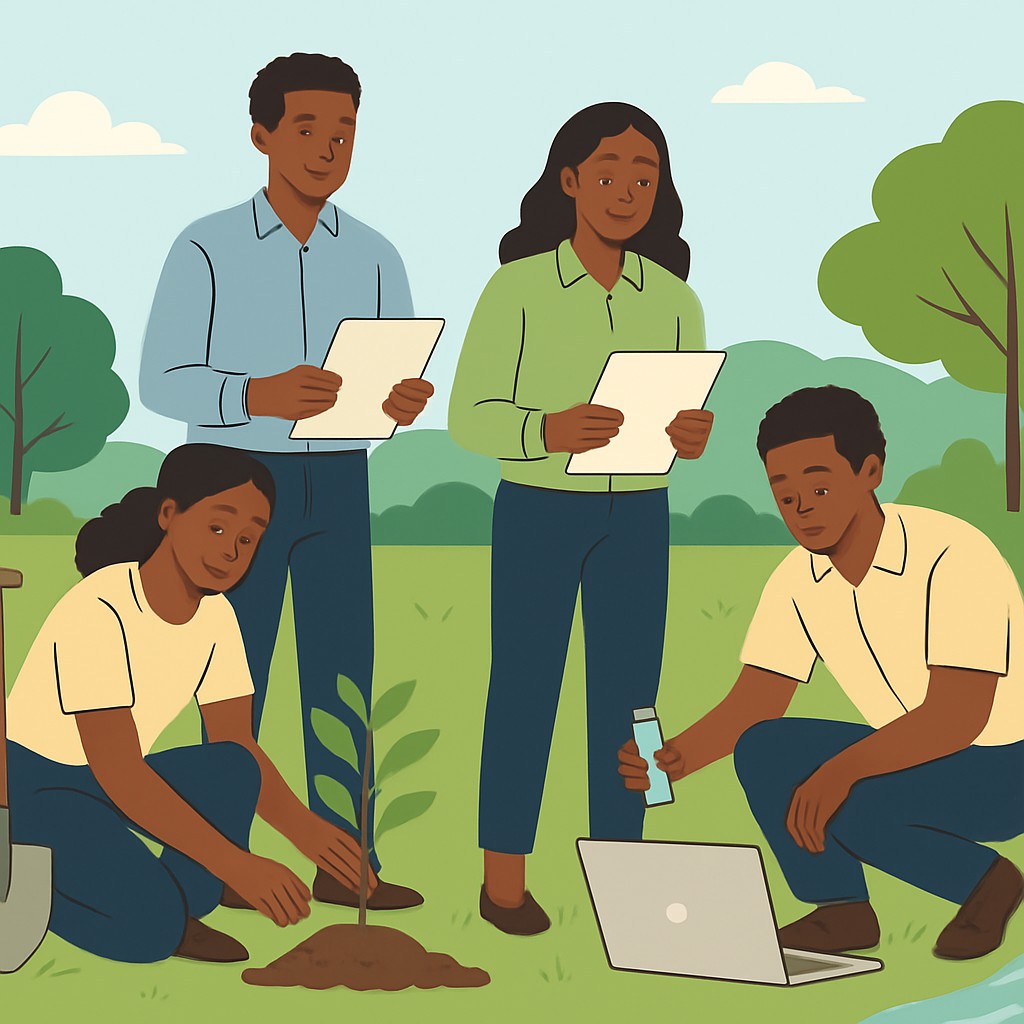
When it comes to community projects in environmental science in Nigeria, there are various challenges that can hinder their success.
However, these challenges can be overcome with the right strategies in place.
Here are 5 ways to overcome challenges and improve community projects.
Collaborating with NGOs and environmental organizations
- NGOs and environmental organizations can provide expertise and resources to enhance community projects.
- By partnering with these organizations, communities can leverage networks and knowledge for better outcomes.
- Collaboration also helps in accessing funding opportunities and technical assistance for sustainability.
Educating and mobilizing community members for active participation
- Education empowers community members to understand the importance of environmental projects.
- Organize workshops, training sessions, and awareness campaigns to engage residents in decision making.
- Mobilizing community members fosters ownership and responsibility leading to increased participation and commitment.
Advocating for supportive policies and regulations
- Communities can lobby government authorities to enact supportive policies and regulations.
- Advocacy efforts can influence policymakers to allocate resources and enable community initiatives.
- Working towards policy change helps ensure long term sustainability and impact of projects.
Successful community projects require collective effort from all stakeholders.
Collaborating with NGOs, educating residents, and advocating for policy support improve project outcomes.
These approaches benefit both the environment and local society.
Discover More: Green Technologies in Environmental Management Nigeria
In Nigeria, community projects in environmental science have had a significant impact on both the environment and society.
They improved air and water quality.
Furthermore, projects helped create healthier ecosystems and biodiversity.
Additionally, these efforts increased awareness and education on environmental issues.
Improved Air and Water Quality
Communities focused on reducing pollution sources to improve local air and water quality.
- Projects used tree planting, clean energy, and proper waste disposal to cut harmful emissions.
- Communities protected water sources and promoted sustainable water management practices.
Healthier Ecosystems and Biodiversity
Community efforts preserved and restored habitats to increase biodiversity.
- They engaged in reforestation and habitat restoration to support species recovery.
- They also promoted wildlife conservation to maintain ecological balance and resilience.
Increased Awareness and Education on Environmental Issues
Projects served as platforms for sharing environmental information and building literacy.
- Communities held workshops, training programs, seminars, and outreach activities.
- These efforts empowered individuals to make informed environmental decisions and take action.
Transformative Impacts on Environment and Society
Community projects contributed to improved quality of air and water.
They fostered healthier ecosystems and greater biodiversity within local areas.
Collective community efforts increased awareness and encouraged ongoing environmental stewardship.
Community projects in environmental science play a crucial role in promoting sustainable development.
Moreover, they create awareness, foster community involvement, and lead to positive environmental changes.
For example, recycling programs, tree planting initiatives, and clean-up campaigns exemplify such efforts.
We must emphasize the significance of these projects in preserving the environment for future generations.
Individuals and communities must actively participate in sustainable initiatives to protect our planet.
By getting involved in community projects, people can make a tangible impact on environmental conservation.
Together, we can work toward a greener, cleaner, and more sustainable future.
Additional Resources
Google search results for Community Projects in Environmental Science Nigeria Environmental
Bing search results for Community Projects in Environmental Science Nigeria Environmental


