




Introduction
Soil and water conservation prevents soil erosion.
It also reduces water runoff.
These practices support the sustainability of engineering projects.
Definition of Soil and Water Conservation
Soil conservation prevents soil erosion and depletion.
Water conservation manages water resources to reduce waste and runoff.
Both approaches help protect water quality and ecological balance.
Importance of Conservation Techniques in Engineering Projects
Implementing conservation techniques ensures long term project sustainability.
These practices lessen soil loss and limit runoff.
Engineers can safeguard water quality and support ecological balance.
Soil Conservation Techniques
Soil conservation techniques are essential in engineering.
They help prevent soil erosion and support soil fertility.
The following methods illustrate practical approaches.
Terracing
Terracing creates level areas on slopes.
It reduces water runoff and limits erosion.
This approach improves water infiltration and boosts productivity.
- Definition: Terracing is a practice of creating level areas on a slope to prevent soil erosion.
- Purpose: The main purpose of terracing is to reduce water runoff and soil erosion.
- Benefits: It helps in improving water infiltration, reducing soil erosion, and increasing land productivity.
Contour Plowing
Contour plowing follows the land’s natural contour lines.
It slows water runoff and decreases soil loss.
By preserving soil moisture, it aids crop growth.
- Explanation: Contour plowing involves plowing along the contour lines of the land to reduce soil erosion.
- Advantages: It helps slow runoff, reduce soil erosion, and preserve soil moisture.
Cover Cropping
Cover cropping uses plants to shield soil from erosion.
It improves soil structure and enhances fertility.
Additionally, it suppresses weeds and protects the soil.
- How it helps with soil erosion and fertility: Cover cropping involves planting cover crops to protect the soil from erosion.
- Benefits: Cover crops improve soil structure, reduce soil erosion, suppress weeds, and enhance soil fertility.
Implementing these soil conservation techniques preserves soil quality.
Moreover, they help prevent erosion.
They also enhance agricultural productivity.
Water Conservation Techniques
Water conservation techniques support sustainable water management in engineering projects.
They reduce pressure on municipal supplies and preserve freshwater resources.
Moreover, these methods help recharge aquifers and improve resilience.
Rainwater harvesting collects and stores rainwater for later use.
It conserves water and supports landscape irrigation or nonpotable needs.
- Reduces dependency on municipal water supply.
- Cost-effective and environmentally friendly.
- Helps in recharging groundwater levels.
Permeable pavement allows water to percolate through surfaces into the ground.
This design prevents stormwater runoff and reduces local flooding risk.
- Prevents stormwater runoff and reduces flooding.
- Improves water quality by filtering pollutants.
- Helps in replenishing aquifers and reducing erosion.
Bio-retention systems capture and treat stormwater using vegetation and engineered soils.
They enhance water quality by removing pollutants from runoff.
Additionally, these areas provide wildlife habitat and reduce erosion risks.
- Enhances water quality by removing pollutants.
- Provides habitat for wildlife and promotes biodiversity.
- Reduces the risk of erosion and sedimentation in water bodies.
Implementing these water conservation techniques supports sustainable water management.
They also protect the environment in engineering projects.
Uncover the Details: Renewable Energy Solutions in Agricultural Engineering
Engineering Applications of Conservation Techniques
Conservation techniques inform engineering planning and design decisions.
Engineers consider these measures during risk assessment and scheduling.
Project teams coordinate installation and long term maintenance of the measures.
Transform Your Career with Expert Guidance
Get personalized mentorship consulting that’s tailored to your unique path. Our expert advice is actionable and exclusive.
Get StartedExamples of Engineering Projects
Several project types illustrate how conservation techniques are applied.
The following examples reflect typical engineering contexts.
Project selection of measures depends on site conditions and objectives.
- Highway construction uses vegetative cover and erosion control blankets to prevent sediment runoff.
- Hydropower projects apply terracing and erosion control structures near dams and reservoirs.
- Land reclamation projects include rainwater harvesting and groundwater recharge systems.
Integration into the Design and Construction Process
Engineering teams conduct thorough site assessments to identify erosion and water scarcity risks.
Designers integrate conservation measures to reduce environmental impact and optimize land use.
Builders use specialized equipment and materials to implement specified conservation measures during construction.
- Preliminary site assessment identifies slope and hydrology conditions.
- Design considerations create sustainable solutions and minimize land disturbance.
- Construction implementation follows project specifications for conservation measure installation.
Successful integration of conservation techniques ensures durability and stability of structures and promotes environmental sustainability.
You Might Also Like: Understanding Soil Mechanics in Agricultural Engineering
Challenges and Solutions
This section lists common obstacles to implementing conservation measures.
It offers targeted solutions and practical best practices.
Project teams can apply the recommendations to improve project outcomes.
Common Challenges Faced
Professional teams often encounter barriers when applying conservation methods.
Many challenges relate to knowledge, funding, or available resources.
Additionally, stakeholder acceptance and technical training affect implementation.
- Many engineering professionals lack awareness of the latest soil and water conservation techniques.
- Projects often face funding constraints that hinder investment in conservation measures.
- Stakeholders may resist new techniques due to unfamiliarity or preference for tradition.
- Teams sometimes lack equipment, technology, or specialist expertise for proper implementation.
- Insufficient training leaves staff unable to execute complex conservation methods effectively.
Solutions and Best Practices
Project teams can overcome obstacles with targeted actions and planning.
These solutions focus on capacity, funding, engagement, and monitoring.
Furthermore, adopting innovation and partnerships enhances effectiveness.
- Provide comprehensive training programs to bridge knowledge gaps and raise awareness of effective conservation methods.
- Develop conservation plans early to secure funding and allocate resources efficiently.
- Engage stakeholders in decision making and address concerns to reduce resistance to change.
- Form partnerships with organizations and experts to access resources and technical expertise.
- Implement monitoring systems to track progress and measure the impact of conservation measures.
- Adopt appropriate technologies and innovative methods to improve conservation effectiveness.
- Invest in staff capacity building to improve implementation and long term maintenance.
- Review strategies regularly and update practices based on feedback and lessons learned.
Explore Further: Collaborations Between Universities and Agribusinesses
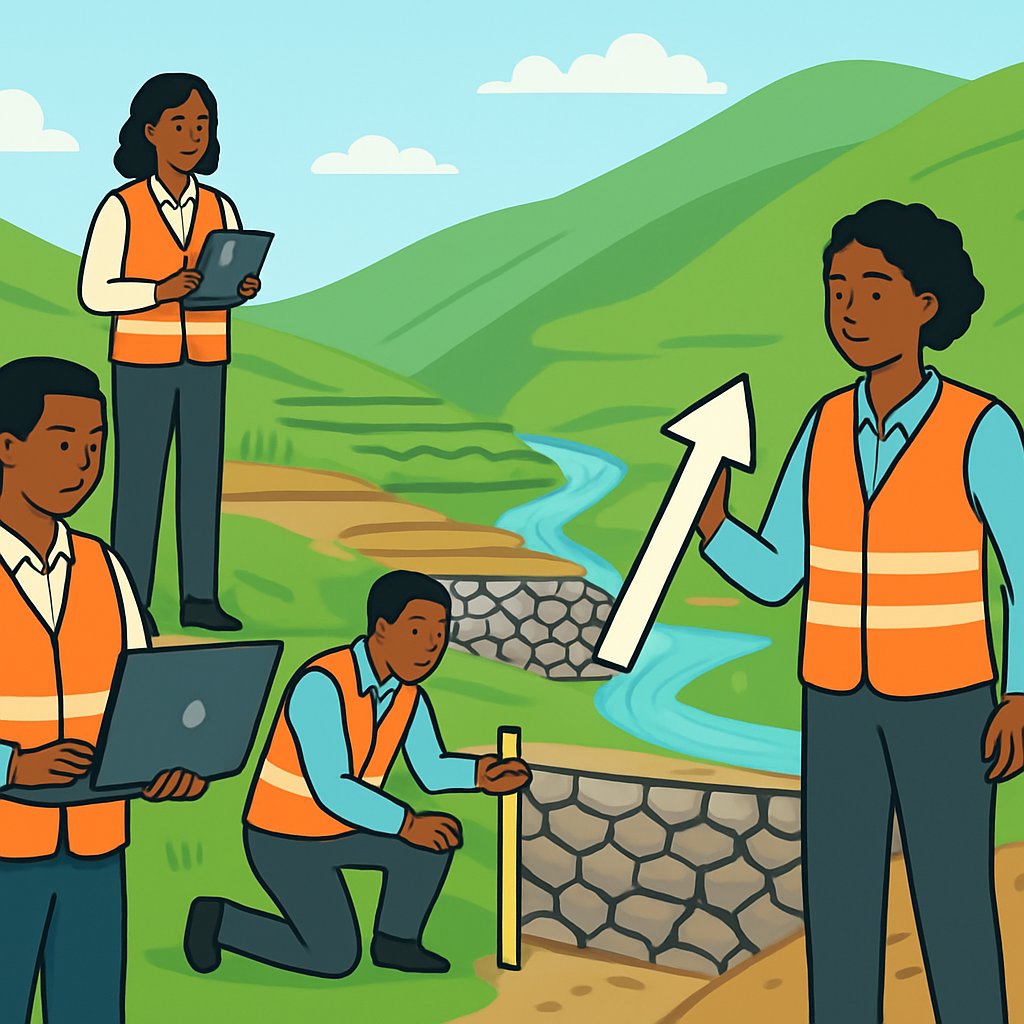
Environmental Impact
When discussing soil and water conservation techniques, it is crucial to consider their positive impact on the environment.
Here are some key points to highlight the benefits.
- Terracing and contour plowing help prevent soil erosion.
- Soil erosion degrades land and reduces fertility.
- Conservation measures reduce runoff and sedimentation.
- Reduced sediment preserves aquatic ecosystems.
- Healthy soil supports diverse plant habitats.
- Adequate water sustains animal populations.
- Proper management enhances water retention and infiltration.
- This management reduces flood risks.
- Conservation practices enable sustainable farming.
- They help maintain long term productivity.
Comparison of Environmental Impact
Now let’s compare the environmental impact of conservation techniques and traditional methods.
- Conservation techniques minimize soil erosion.
- Traditional methods often cause soil loss and degradation.
- Conservation measures preserve water quality.
- Traditional practices can pollute water with sediment or chemicals.
- Conservation techniques promote biodiversity and healthier ecosystems.
- Traditional monoculture reduces habitat diversity.
- Conservation practices improve infiltration and reduce flood risks.
- Traditional practices may increase flooding.
- Soil and water conservation techniques provide more positive environmental outcomes than traditional methods.
Discover More: Contributions of Agricultural Engineers to the Economy
Promoting Soil and Water Conservation in Engineering
Soil and water conservation techniques play a crucial role in engineering projects.
They ensure long-term sustainability.
Engineers and construction professionals must prioritize these techniques in projects.
This helps mitigate environmental impacts and promote sustainable practices.
Embracing these principles supports the planet’s long-term health.
It also protects the well-being of future generations.
Incorporating these techniques into engineering practices produces a healthier environment.
It also contributes to a more sustainable future.
Commit to implementing these measures in projects.
Lead by example to promote environmentally-friendly practices.
The time is now to take action.
Make a positive impact through sustainable engineering practices.
Together, we can build a better future.
Additional Resources
Google search results for Soil and Water Conservation Techniques in Engineering Engineering
Bing search results for Soil and Water Conservation Techniques in Engineering Engineering


