




Renewable Energy in Agricultural Engineering
Renewable energy in agricultural engineering uses solar, wind, and bioenergy sources.
It supports sustainable practices on farms and reduces reliance on nonrenewable energy.
Additionally, it can lower energy costs and reduce greenhouse gas emissions.
Economic Advantages for Farmers
Farmers can save money long term by installing solar panels or biomass systems.
Moreover, renewable sources provide more price stability than volatile fossil fuels.
Therefore, investments can secure farm energy needs over time.
Environmental Benefits and Practices
Bioenergy can be produced from organic waste on farms.
For example, converting sunlight into electricity reduces on-site emissions.
Moreover, these practices help minimize the agricultural carbon footprint.
Solar Energy
Solar energy is one of the most widely used renewable energy sources in agricultural engineering.
It captures sunlight and converts it into electricity or heat for various applications.
For example, farms use solar technologies to power irrigation and lighting.
- Photovoltaic systems use solar panels to convert sunlight into electricity.
- Solar water heaters use sunlight to heat water for livestock and irrigation.
Wind Energy
Wind energy harnesses wind power to generate electricity for farm operations.
Farmers commonly install wind turbines to produce onsite electricity.
Moreover, turbines can power equipment and building systems.
- Wind turbines generate electricity for farm equipment and buildings.
Biomass Energy
Biomass energy comes from organic materials like crop residues and animal waste.
It can produce heat, electricity, and biofuels for agricultural use.
For instance, biogas systems convert waste into fuel for cooking and machinery.
- Biogas systems produce biogas from organic waste to fuel farm operations.
- Biofuels such as ethanol and biodiesel can power vehicles and machinery on the farm.
Hydroelectric Energy
Hydroelectric energy is generated from flowing water in rivers or streams.
This resource provides a reliable and sustainable supply of power for farms.
Farmers can install micro-hydro systems for small-scale electricity generation.
- Micro-hydro systems generate electricity from small streams for farm operations.
Benefits of Renewable Energy for Agriculture
Renewable sources provide sustainable solutions for agricultural energy needs.
They help reduce reliance on fossil fuels on the farm.
Moreover, renewable energy can lower carbon footprints and improve efficiency.
Benefits of Using Renewable Energy Solutions in Agriculture
There are numerous advantages to implementing renewable energy solutions in agricultural engineering.
- Reduction in operational costs
- Environmental sustainability
- Increased efficiency in agricultural processes
Reduction in Operational Costs
Using solar, wind, and hydro power lowers energy expenses on farms.
For example, diesel generators cost more to operate and maintain.
Therefore, renewable systems provide a reliable and cost effective alternative.
They also require less upkeep than traditional energy sources.
Environmental Sustainability
Reducing reliance on fossil fuels lowers agricultural carbon emissions.
Solar panels and wind turbines produce clean energy without greenhouse gas emissions.
This outcome helps preserve air quality and protect natural habitats.
Moreover, renewable systems reduce dependence on finite resources and support energy independence.
Increased Efficiency in Agricultural Processes
Renewable energy can power irrigation, heating, and ventilation systems on farms.
For example, solar powered irrigation systems improve water management and optimize yields.
Also, wind turbines can supply electricity for agricultural machinery and reduce downtime.
Additionally, on site generation lowers transmission losses and increases energy resilience.
Pathway Toward Sustainable Agricultural Practice
Adopting renewable energy supports farm sustainability and long term financial stability.
Farmers can reinvest saved funds into operations to strengthen productivity.
Collectively, renewable technologies create opportunities for more sustainable farming practices.
Transform Your Career with Expert Guidance
Get personalized mentorship consulting that’s tailored to your unique path. Our expert advice is actionable and exclusive.
Get StartedExplore Further: Understanding Soil Mechanics in Agricultural Engineering
Case Studies of Renewable Energy in Agricultural Engineering
Implementing renewable energy solutions in agricultural engineering can greatly benefit farmers and the environment.
This section explores case studies of successful renewable energy implementation.
It focuses on practical examples within agricultural engineering.
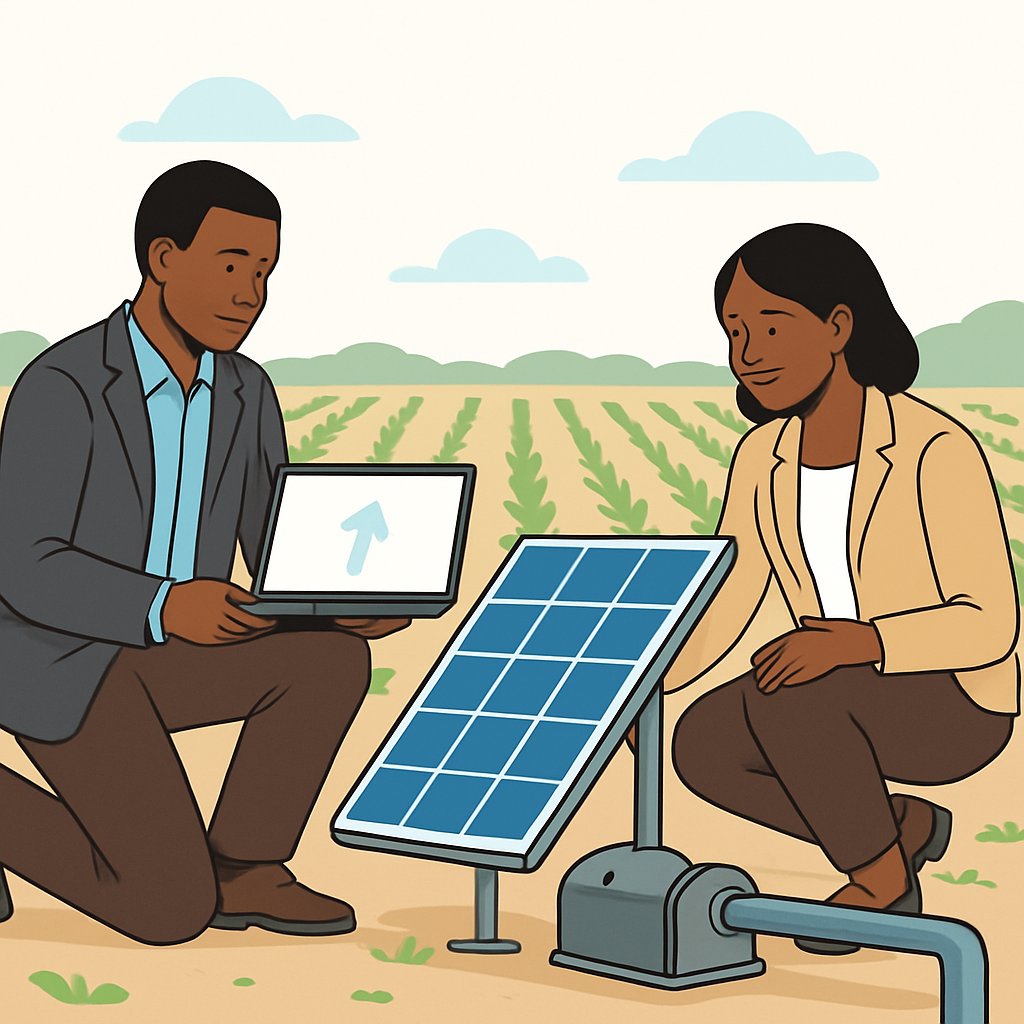
Solar Panels for Irrigation
Solar panels are a successful implementation for irrigation.
Farmers harness sunlight to water crops without relying on traditional electricity.
Panels capture sunlight and convert it into electricity for irrigation systems.
This practice reduces energy costs and lowers carbon emissions.
Wind Turbines for Powering Agricultural Machinery
Wind turbines represent a successful renewable energy application on farms.
Farmers can harness wind energy to operate agricultural machinery.
Turbines installed on farms generate electricity for tractors, pumps, and grain dryers.
This reduces dependency on fossil fuels and lowers operating costs.
Biomass Energy for Heating Greenhouses
Farmers have used biomass energy to heat greenhouses.
Biomass includes organic materials like wood chips, crop residues, and animal waste.
Farmers burn biomass to produce heat and maintain greenhouse growing conditions.
This approach reduces reliance on nonrenewable energy and supports sustainable farming.
Impacts of Renewable Energy on Farms
These case studies show practical renewable energy applications on farms.
They illustrate solar, wind, and biomass uses for irrigation, machinery, and greenhouse heating.
Farmers can improve efficiency, lower costs, and reduce environmental impact.
You Might Also Like: Collaborations Between Universities and Agribusinesses
Challenges and Barriers to Implementing Renewable Energy Solutions in Agriculture
Renewable energy adoption in agriculture faces practical and financial challenges.
Many farmers encounter obstacles that slow project implementation.
Furthermore, policy and resource limitations often hinder progress.
- High initial costs
- Lack of awareness and education
- Dependence on traditional energy sources
High Initial Costs
Farmers often face high upfront costs for renewable installations.
These investments can deter operations with limited capital.
Moreover, financial support programs remain limited or hard to access.
Lack of Awareness and Education
Many farmers lack information about renewable options and benefits.
Extension services often do not reach all agricultural communities.
Consequently, outreach and training programs can improve adoption rates.
Dependence on Traditional Energy Sources
Farms commonly rely on fossil fuels and established systems.
Transitioning requires compatible equipment and logistical planning.
However, cultural habits and supply chains may resist rapid change.
Opportunities and Support for Adoption
Addressing barriers requires targeted incentives and accessible financing.
Also, focused education and outreach can raise awareness among farmers.
Finally, integrating compatible technologies will ease the practical transition.
Delve into the Subject: Contributions of Agricultural Engineers to the Economy
Strategies to Overcome Challenges in Adopting Renewable Energy in Agricultural Engineering
Government support promotes adoption of renewable energy in agricultural engineering.
Subsidies and incentives help offset initial transition costs.
Such assistance makes technologies more affordable and accessible to farmers.
Government subsidies and incentives
Governments can offer subsidies and incentives to farmers and engineers.
These measures reduce the financial burden of installing renewable systems.
They increase accessibility of renewable technologies for agricultural operations.
Collaboration with energy companies
Partnering with energy companies provides resources and expertise for integration.
Energy companies can offer technical assistance, funding, and technology access.
Together, stakeholders can catalyze innovation and advance sustainable farming practices.
Training programs for farmers and engineers
Education and training enable successful implementation of renewable energy solutions.
Specialized programs teach farmers and engineers how to design and maintain systems.
Programs can cover energy efficiency, system optimization, and safety protocols.
Investing in training builds a workforce that can manage complex technologies.
Find Out More: Future Prospects of Agricultural Engineering in Nigeria
Embracing Renewable Energy for Sustainable Agriculture
Renewable energy plays a crucial role in advancing agricultural engineering practices.
Moreover, farmers and policymakers should embrace renewable energy solutions.
This approach will help ensure a sustainable future for agriculture.
Therefore, farmers and policymakers must act to implement renewable energy solutions on farms.
Let us work together to promote a greener and more sustainable agricultural sector.
Together, we can make a significant impact on the future of agriculture and the planet.
Additional Resources
Google search results for Renewable Energy Solutions in Agricultural Engineering Engineering
Bing search results for Renewable Energy Solutions in Agricultural Engineering Engineering


